

Introduction
Types of pants explained for beginners in 2026 can seem overwhelming at first, but understanding the different styles, fits, fabrics, and occasions makes building a versatile wardrobe much easier.but understanding the different styles, fits, fabrics, and occasions makes building a versatile wardrobe much easier. From casual jeans and joggers to formal dress pants and tailored slacks, each type of pant has a unique purpose. This guide will help beginners confidently choose the right pants, master proper sizing, and style them for any occasion with ease.
Basic Types of Pants
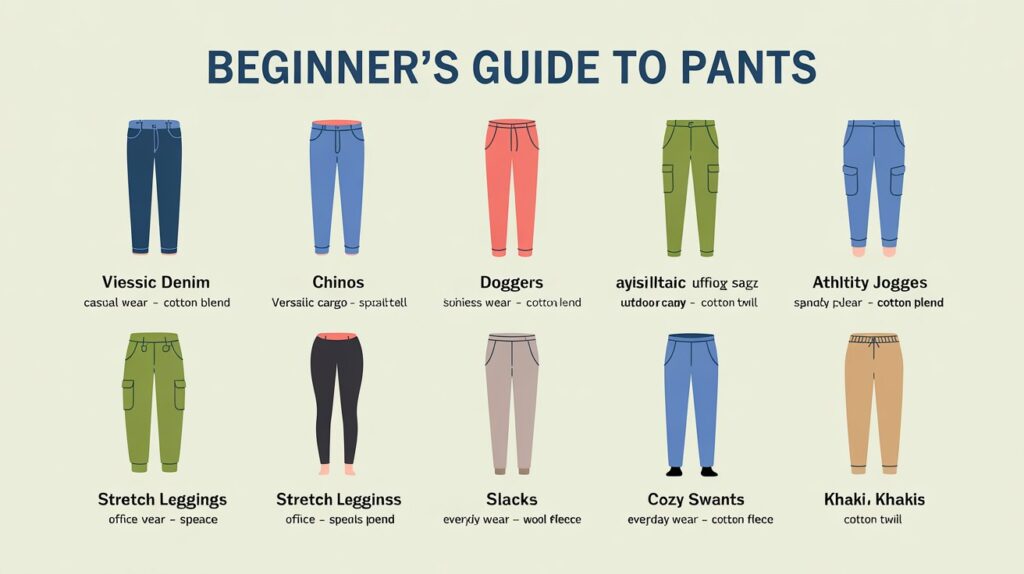
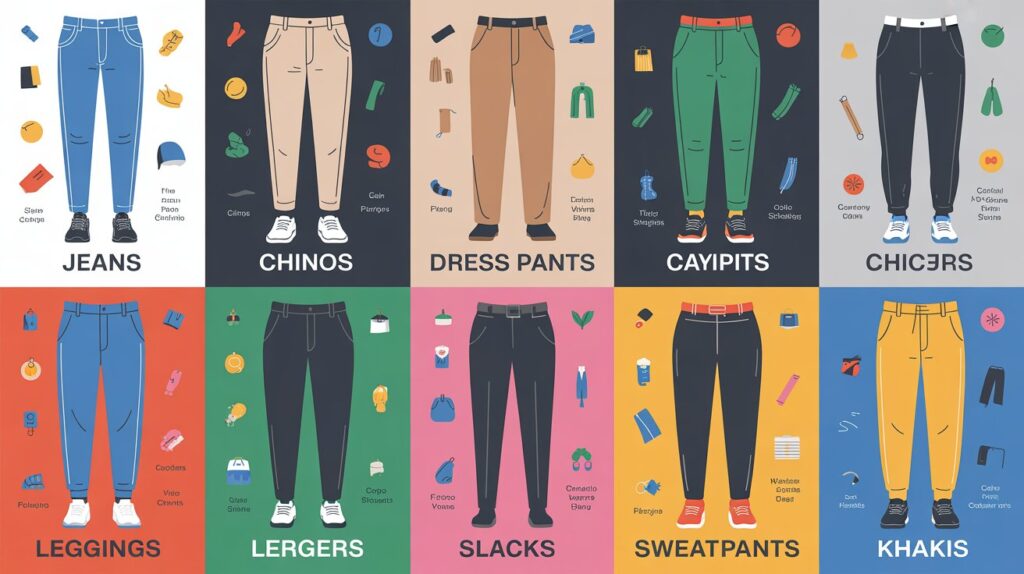
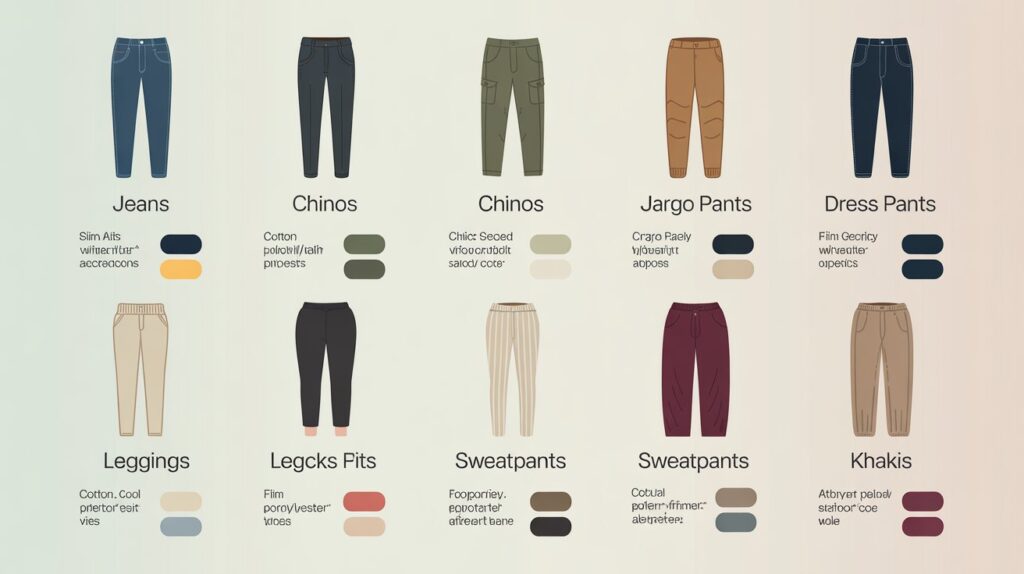
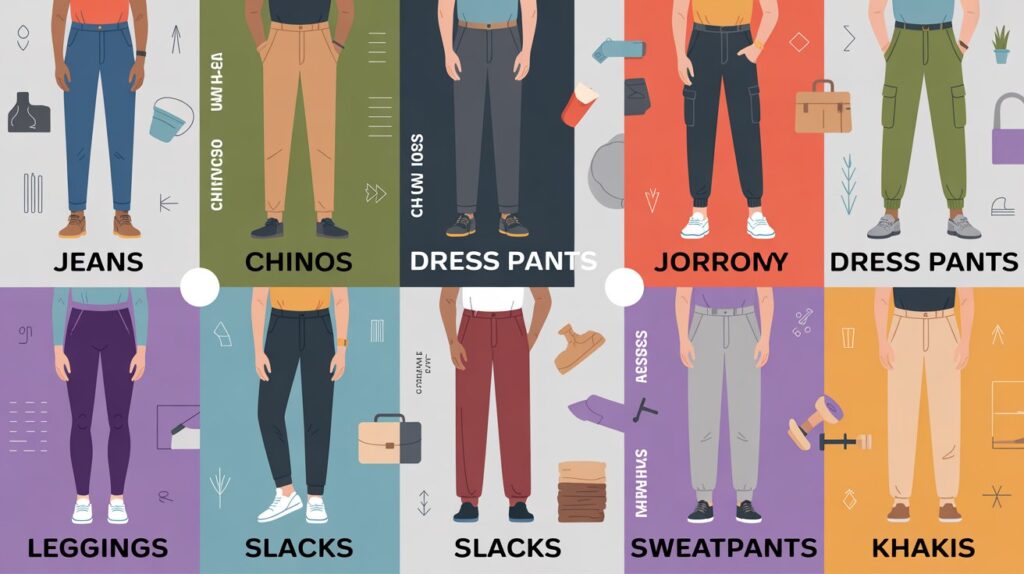
When it comes to building a versatile wardrobe, understanding the types of pants explained for beginners is essential. Pants are not just a piece of clothing; they define style, comfort, and functionality. For beginners, knowing the main types of pants helps you choose the right pair for work, casual outings, or special occasions. Below, we break down the most common types of pants you’ll encounter in the US fashion scene.
1. Jeans
Jeans are the most popular and versatile type of pants worldwide. Made from durable denim fabric, they are ideal for casual wear but can also be dressed up for smart-casual occasions. Jeans come in various fits, such as slim, straight, bootcut, and relaxed. Beginners should know that dark-wash jeans often appear more formal, while light-wash jeans give a casual, laid-back look.
2. Chinos
Chinos are lightweight, cotton twill pants that strike a balance between casual and semi-formal wear. They are perfect for office settings, casual Fridays, or even weekend outings. Chinos are available in a wide range of colors, from classic khaki to navy, and are usually more comfortable than dress pants, making them beginner-friendly for everyday wear.
3. Dress Pants
Dress pants are designed for formal occasions, business meetings, or professional environments. They are typically made from wool, polyester blends, or high-quality fabrics that provide a clean and polished look. Dress pants often feature a straight or tailored fit and come in neutral colors like black, gray, or navy. Knowing the difference between dress pants and other casual styles is crucial for beginners to avoid style mismatches.
4. Cargo Pants
Cargo pants are known for their utility and casual style. They feature multiple pockets on the sides, making them practical for outdoor activities or casual wear. While they were originally designed for military use, cargo pants have evolved into a fashion statement in casual and streetwear fashion. For beginners, cargo pants are best paired with simple tops to avoid a cluttered look.
5. Joggers
Joggers are comfortable pants designed with elastic waistbands and cuffs at the ankles. They are perfect for workouts, lounging, or casual outings. Modern joggers often come in stylish fabrics that can be worn outside the gym. Beginners should note that joggers pair well with sneakers and casual tops for a relaxed, fashionable appearance.
6. Leggings
Leggings are stretchy, form-fitting pants often worn by women but also gaining popularity in unisex athleisure. Made from fabrics like spandex, nylon, or cotton blends, leggings provide flexibility and comfort, making them ideal for workouts, yoga, or casual wear. For beginners, leggings are best paired with longer tops, tunics, or layered clothing to create balanced proportions.
7. Sweatpants
Sweatpants are soft, casual pants designed primarily for comfort. They are usually made from cotton or fleece and are ideal for lounging, exercising, or running errands. Sweatpants often feature elastic waistbands and drawstrings, providing a relaxed fit. Beginners should remember that while sweatpants are comfortable, pairing them with casual sneakers and fitted tops keeps the outfit stylish and intentional.
8. Slacks
Slacks are formal or semi-formal pants often used in office or business settings. Unlike dress pants, slacks may have softer fabrics and a slightly relaxed fit. They are suitable for beginners who want a professional look without the stiffness of traditional dress pants. Neutral colors like black, navy, or gray work best for slacks.
9. Khakis
Khakis are similar to chinos but usually come in a lighter fabric and a more relaxed style. They are ideal for casual, business casual, or outdoor events. Khakis can be dressed up with a dress shirt or kept casual with a T-shirt or polo. Beginners will find khakis versatile and easy to pair with almost any top.
Summary:
Understanding the types of pants explained for beginners is the first step toward creating a functional and stylish wardrobe. Jeans, chinos, dress pants, cargo pants, joggers, leggings, sweatpants, slacks, and khakis each serve different purposes. By knowing their differences, fabrics, and occasions, beginners can confidently select the right pants for any setting in the US fashion scene.
Understanding Pants Fits
When learning about the types of pants explained for beginners, understanding how pants fit is just as important as knowing the different styles. The right fit ensures comfort, enhances your appearance, and suits the occasion. For beginners, choosing the wrong fit can make even the most stylish pants look unflattering. Below is a detailed guide to the most common pants fits, their characteristics, and how to choose the best fit for your body type.
1. Slim Fit vs Regulr Fit Pants
- Slim Fit Pants: These pants are cut closer to the body, particularly around the thighs and calves. They create a streamlined silhouette and are ideal for a modern, tailored look. Slim fit pants work well for people with lean or athletic builds. Beginners should pair slim fit pants with fitted tops to maintain balanced proportions.
- Regular Fit Pants: Regular fit pants offer more room in the seat and thigh area, providing a comfortable, classic silhouette. They are perfect for everyday wear and suit a wider range of body types. For beginners, regular fit pants are forgiving and easy to style for both casual and formal occasions.
2. Athletic Fit vs Slim Fit Pants
- Athletic Fit Pants: Designed for individuals with muscular thighs and a narrower waist, athletic fit pants provide extra room in the thigh while tapering toward the ankle. They prevent tightness and enhance mobility. Beginners with an athletic build will find these pants more comfortable than standard slim fit options.
- Slim Fit Pants Comparison: Slim fit pants are narrower throughout, which can feel restrictive for muscular legs. Understanding this distinction helps beginners pick pants that flatter their natural build.
3. Classic vs Straight Fit Dress Pants
- Classic Fit: These pants have a traditional cut with moderate room throughout the leg. They are comfortable, timeless, and suitable for office and formal settings. Beginners seeking a safe, professional look should start with classic fit dress pants.
- Straight Fit: Straight fit pants maintain a uniform width from thigh to hem, creating a clean, structured look. They work well for most body types and can make legs appear longer. Beginners should note that straight fit pants are versatile and pair nicely with both dress shoes and casual footwear.
4. Straight Leg vs Wide Leg Pants
- Straight Leg Pants: Straight leg pants are slightly tapered but maintain a straight line from thigh to ankle. They are flattering for most body types and are easy to pair with various tops and shoes.
- Wide Leg Pants: Wide leg pants are loose from the thigh down, offering comfort and a bold fashion statement. Beginners should balance wide leg pants with fitted or tucked-in tops to avoid a boxy appearance. Wide leg pants are ideal for creating a chic, relaxed look.
5. Tapered Pants vs Wide Leg Pants
- Tapered Pants: Tapered pants gradually narrow from the thigh to the ankle, emphasizing a modern, sleek silhouette. They are great for casual and formal occasions, offering a polished yet comfortable fit.
- Wide Leg Pants Comparison: Wide leg pants contrast tapered styles by offering more volume. Beginners should understand that tapered pants highlight the natural shape of the legs, while wide leg pants focus on comfort and fashion-forward design.
6. Pleated vs Flat-Front Pants
- Pleated Pants: Pleated pants have folds at the waist, providing extra room in the hips and thighs. They are traditional and formal, often favored in office wear or professional settings. Beginners with larger hips or thighs may find pleated pants more comfortable.
- Flat-Front Pants: These pants have a smooth front without pleats, offering a cleaner, modern look. Flat-front pants are versatile, suitable for casual, business casual, or formal occasions. Beginners often prefer flat-front pants for a streamlined appearance that complements most tops.
Summary:
Understanding types of pants explained for beginners isn’t complete without knowing how each fit impacts comfort and style. From slim fit and regular fit to tapered, wide leg, pleated, and flat-front styles, choosing the right fit ensures that your pants flatter your body type and suit the occasion. By familiarizing themselves with these differences, beginners can confidently select pants that combine comfort, style, and practicality.
Fabrics and Materials
When exploring the types of pants explained for beginners, understanding fabrics and materials is just as important as knowing styles and fits. The fabric not only affects comfort and durability but also determines how suitable the pants are for different occasions, weather conditions, and activities. For beginners, choosing the right material can make a significant difference in both appearance and wear ability. Below is a detailed guide to the most common pant fabrics and their characteristics.
1. Cotton Pants
Cotton is one of the most popular and versatile fabrics for pants. It is soft, breathable, and comfortable, making it ideal for everyday wear. Cotton pants are available in styles like chinos, khakis, and casual trousers. They are perfect for warmer climates in the US because of their breathability, and they are easy to care for. Beginners will find cotton pants beginner-friendly due to their natural feel and classic look.
2. Polyester Pants
Polyester is a synthetic fabric known for its durability, wrinkle resistance, and affordability. Pants made from polyester retain their shape well and are less likely to shrink compared to cotton. Polyester blends are often used in dress pants, office wear, and formal trousers. Beginners should note that polyester may feel less breathable than natural fibers, so it’s better suited for cooler climates or indoor settings.
3. Wool Pants
Wool is a natural fiber that is warm, soft, and often used for formal or winter wear. Wool pants are ideal for office settings, business meetings, or cold-weather fashion. They drape well and maintain a professional appearance. Beginners should be aware that wool may require dry cleaning and careful handling to prevent shrinkage or damage.
4. Linen Pants
Linen is lightweight, breathable, and perfect for summer or hot weather. Linen pants are comfortable, casual, and relaxed in style, often used for beachwear, resort outfits, or casual outings. Beginners should note that linen wrinkles easily, giving it a natural, laid-back look rather than a formal appearance. Pairing linen pants with crisp tops can create a balanced, stylish outfit.
5. Nylon Pants
Nylon is a strong, lightweight synthetic fabric often used in athletic wear, outdoor pants, or travel trousers. It is quick-drying, water-resistant, and durable, making it ideal for hiking, workouts, or rainy conditions. Beginners will appreciate nylon pants for their versatility and low maintenance.
6. Stretch vs Non-Stretch Pants
- Stretch Pants: These contain elastane or spandex, allowing the fabric to stretch with movement. Stretch pants are comfortable, flexible, and suitable for athletic wear, yoga pants, leggings, or modern slim-fit styles.
- Non-Stretch Pants: Made from rigid fabrics, non-stretch pants provide structure and a polished look. Dress pants, chinos, and formal trousers often use non-stretch fabrics for a classic silhouette. Beginners should choose stretch pants for comfort and non-stretch for formal or office settings.
7. Fabric Comparisons for Beginners
- Wool vs Cotton Pants: Wool is warmer and more formal, while cotton is breathable and casual.
- Nylon vs Polyester Pants: Nylon is lightweight and flexible; polyester is durable and wrinkle-resistant.
- Breathable vs Waterproof Pants: Breathable fabrics like cotton and linen are perfect for daily wear, while waterproof fabrics like nylon or technical blends are suitable for outdoor activities.
- Wool Pants vs Linen Pants: Wool is ideal for cold climates and formal events; linen works best for hot weather and casual occasions.
Summary:
Understanding types of pants explained for beginners is incomplete without considering fabrics and materials. Each fabric has unique properties that affect comfort, durability, style, and suitability for specific occasions. By knowing the characteristics of cotton, polyester, wool, linen, nylon, and stretch fabrics, beginners can make informed choices that balance comfort, appearance, and practicality in their wardrobe.
Formal vs Casual Pants
Understanding the types of pants explained for beginners would be incomplete without knowing the key differences between formal and casual pants. The distinction between these two categories is essential because it determines what pants to wear for work, social events, or everyday casual occasions. Choosing the wrong type can make even a stylish outfit look out of place. Below, we break down the main characteristics, uses, and tips for both formal and casual pants.
1. Formal Pants
Formal pants are designed to create a polished, professional, and elegant appearance. They are commonly worn in workplaces, business meetings, formal events, and ceremonies.
Key Features:
- Fabric: Usually made from wool, polyester blends, or high-quality cotton. Some may include a small amount of elastane for slight stretch.
- Design: Sleek, structured, and tailored with clean lines. Often includes features like creases, pleats, and fitted waistbands.
- Colors: Neutral shades such as black, gray, navy, or charcoal dominate formal pants. Subtle patterns like pinstripes may also appear.
- Fit: Slim, straight, or classic fit is most common, emphasizing a neat silhouette.
Common Types of Formal Pants:
- Dress pants
- Slacks
- Chinos (darker colors and tailored cuts)
- Suit pants
Tips for Beginners:
- Pair formal pants with dress shirts, blazers, or tailored jackets for a complete professional look.
- Choose neutral colors to ensure versatility and easy matching with different tops.
- Ensure the fit is comfortable but not too loose, as oversized formal pants can appear sloppy.
2. Casual Pants
Casual pants focus on comfort, versatility, and relaxed style. They are ideal for everyday wear, social outings, travel, or weekends when formal attire is unnecessary.
Key Features:
- Fabric: Cotton, denim, linen, polyester blends, or even synthetic fabrics for comfort and durability.
- Design: Less structured with relaxed lines. Can include pockets, elastic waistbands, or drawstrings.
- Color Options and Designs: Casual pants come in an extensive variety of shades and styles, ranging from vibrant tones to stylish patterns.
- Fit: Comfortable fits like regular, relaxed, jogger, or wide leg are common.
Common Types of Casual Pants:
- Jeans
- Cargo pants
- Joggers
- Sweatpants
- Linen pants
- Khakis
Tips for Beginners:
- Pair casual pants with T-shirts, polos, or casual shirts.
- Choose fabrics suitable for your activity: lightweight for summer, thicker fabrics for colder weather.
- Casual pants allow more creativity with colors, textures, and patterns compared to formal pants.
3. Key Differences Between Formal and Casual Pants
| Feature | Formal Pants | Casual Pants |
|---|---|---|
| Purpose | Office, meetings, formal events | Everyday wear, travel, social outings |
| Fabric | Wool, polyester blends, high-quality cotton | Denim, cotton, linen, synthetic blends |
| Fit | Tailored, slim, straight | Relaxed, regular, jogger, wide leg |
| Colors | Neutral: black, gray, navy | Wide variety, bright, patterned |
| Design Details | Pleats, creases, structured waistbands | Elastic waistbands, pockets, casual cuts |
| Pairing | Dress shirts, blazers, formal shoes | T-shirts, polos, sneakers, casual shoes |
Summary:
When learning about the types of pants explained for beginners, distinguishing between formal and casual pants is crucial. Formal pants provide structure, elegance, and professionalism, making them suitable for work and official events. Casual pants prioritize comfort and style flexibility, perfect for leisure, travel, or casual occasions. By understanding these differences, beginners can confidently choose the right pants for any situation, ensuring both comfort and style.
Athletic & Comfort Pants
For beginners exploring the types of pants explained for beginners, it’s important to understand the category of athletic and comfort pants. These pants prioritize mobility, flexibility, and relaxation while still allowing you to look stylish. Whether you are hitting the gym, going for a casual stroll, or lounging at home, athletic and comfort pants are essential wardrobe staples. Below is a detailed explanation of the most common types and their key features.
1. Yoga Pants vs Leggings
- Yoga Pants: Designed for exercise and flexibility, yoga pants are made from stretchy, breathable fabrics that allow full range of motion. They often feature a wider waistband and slightly flared or tapered legs for comfort during workouts. Beginners should note that yoga pants are ideal for activities like yoga, pilates, or casual wear when paired with long tops or tunics.
- Leggings: Leggings are tighter and more form-fitting than yoga pants, made from materials like spandex, nylon, or cotton blends. They provide compression, flexibility, and comfort, making them suitable for workouts, athleisure outfits, or layering under dresses and tunics. Understanding the difference between yoga pants and leggings helps beginners choose the right pair for both exercise and style.
2. Workout Pants vs Running Pants
- Workout Pants: These are versatile pants designed for general fitness activities. They often have a relaxed or tapered fit, elastic waistbands, and moisture-wicking fabrics to keep you comfortable during gym sessions. Beginners will find them suitable for weight training, group classes, or casual workouts.
- Running Pants: Specifically designed for running or jogging, these pants are lightweight, breathable, and often feature reflective strips for safety. Running pants usually taper at the ankle to prevent fabric from getting in the way. Beginners should prioritize running pants for outdoor exercises to maximize comfort and performance.
3. Jogger Pants vs Trousers
- Jogger Pants: Joggers are casual athletic pants with elasticized waistbands and cuffs. They combine comfort with modern street-style fashion, making them suitable for lounging, running errands, or casual outings. Beginners can easily pair joggers with sneakers and fitted tops for a relaxed, stylish look.
- Trousers (Casual or Travel): While not strictly athletic, some lightweight trousers provide comfort and flexibility similar to joggers, making them ideal for travel or long days of walking. Unlike joggers, trousers may have a more structured design, offering a semi-casual appearance.
4. Cargo Pants vs Joggers (Women)
- Cargo Pants: Featuring multiple pockets and a slightly loose fit, cargo pants provide practicality and style. For active women, cargo pants are suitable for casual outings, hiking, or streetwear fashion.
- Joggers: Women’s joggers offer a more streamlined silhouette compared to cargo pants, focusing on comfort and ease of movement. Beginners should pair them with simple tops or hoodies to balance the outfit.
5. Travel Pants vs Hiking Pants
- Travel Pants: Made from lightweight, wrinkle-resistant, and breathable fabrics, travel pants are designed for comfort during long flights, commuting, or sightseeing. They often have multiple pockets and a relaxed fit to accommodate various activities.
- Hiking Pants: Durable, weather-resistant, and flexible, hiking pants are ideal for outdoor adventures. Some hiking pants come with removable sections to convert into shorts, offering versatility in changing climates. Beginners should consider hiking pants when planning outdoor activities or adventure trips in the US.
6. Beach Pants vs Lounge Pants
- Beach Pants: Lightweight, breathable, and often loose-fitting, beach pants are perfect for summer, seaside vacations, or casual outdoor gatherings. They are usually made from fabrics like linen, cotton, or blends that dry quickly and allow air circulation.
- Lounge Pants: Focused entirely on comfort, lounge pants are ideal for staying at home, relaxing, or casual indoor activities. They often feature elastic waistbands, soft fabrics, and relaxed cuts. Beginners should recognize that lounge pants combine practicality with ultimate comfort.
Summary:
Understanding types of pants explained for beginners includes knowing athletic and comfort pants. From yoga pants and leggings to joggers, travel pants, and lounge pants, this category prioritizes mobility, comfort, and casual style. By learning the differences between each type, beginners can choose pants that suit their activities, lifestyle, and personal comfort, all while maintaining a stylish appearance.
Color & Styling Guide
One of the most important aspects of the types of pants explained for beginners is understanding color coordination and styling. The right color combination and styling choices can elevate any outfit, whether it’s for work, casual outings, or special occasions. For beginners, knowing which colors, patterns, and pairings work together ensures you always look polished and fashionable.
1. Choosing the Right Color for Office Pants
Office attire often requires neutral and professional colors. Beginners should focus on shades that are versatile and easy to mix with dress shirts, blazers, or formal shoes.
Common Office Colors:
- Black: Timeless, formal, and pairs with almost any shirt or blazer.
- Navy: Slightly less formal than black but very versatile for business-casual looks.
- Gray: Offers a neutral option that can be paired with both light and dark tops.
- Khaki or Beige: Suitable for business-casual settings and warmer months.
Styling Tip: Pair darker pants with lighter shirts for contrast, or keep the tone monochrome for a sleek, professional appearance.
2. Jacket and Shirt Pairing with Pants
Beginners often struggle with pairing jackets and shirts with different pant colors. Here’s a simple guide:
- Black Pants: Pair with gray, navy, or patterned jackets. White, light blue, or pastel shirts create a clean, sharp look.
- Brown Pants: Pair with cream, navy, or olive jackets. Dress shirts in white, light blue, or soft pink balance the warm tones.
- Navy Pants: Match with beige, gray, or brown jackets. Shirts in white, light blue, or subtle patterns work well.
Quick Tip: Avoid pairing warm-toned shirts with cool-toned pants unless creating a deliberate contrast.
3. Footwear Choices
Shoes are an important part of styling pants. Beginners should match footwear based on both color and occasion:
- Black Pants: Black shoes are formal, while brown shoes create a stylish contrast. Avoid overly bright colors in professional settings.
- Brown Pants: Brown or tan shoes work best. Black shoes can be worn for formal events but may appear less natural for casual outfits.
- Jeans or Casual Pants: Sneakers, loafers, or casual boots are ideal depending on the look.
4. Modern Shirt and Pants Combinations
For beginners, combining modern shirt styles with pants is key to achieving a fashionable look:
- Slim-fit pants + Fitted shirt: Creates a sleek, contemporary silhouette.
- Wide-leg or relaxed pants + Oversized or tucked-in shirt: Balances proportions and adds a trendy touch.
- Patterned pants + Solid shirt: Ensures the outfit isn’t too busy. Keep patterns subtle for formal or office wear.
- Neutral pants + Bold shirt: Allows the pants to act as a foundation, letting the shirt stand out.
5. Seasonal Styling Tips
- Summer: Opt for lighter colors like beige, white, or light gray. Fabrics like cotton or linen enhance comfort.
- Winter: Darker tones like navy, black, or charcoal work best. Wool or thick polyester blends provide warmth.
- Autumn and Spring: Soft earth tones, subtle muted colors, and layered outfits work perfectly for changing seasonal conditions.
6. Beginner Mistakes to Avoid in Styling
- Wearing pants and tops in conflicting colors or tones.
- Overloading patterns; one patterned piece per outfit is safest.
- Choosing the wrong shoe color for the pants.
- Ignoring seasonal appropriateness in color and fabric.
Summary:
The types of pants explained for beginners are only fully understood when you know how to style them. Color coordination, shirt and jacket pairing, footwear choices, and seasonal adjustments all play a crucial role in achieving a balanced, fashionable look. By following these guidelines, beginners can confidently mix and match pants, shirts, and accessories for any occasion, creating versatile and stylish outfits with ease.
Sizing & Measurements
A key part of understanding the types of pants explained for beginners is learning how to measure and choose the correct size. Even the most stylish pants can look awkward or feel uncomfortable if they don’t fit properly. For beginners, knowing how to measure your body and interpret sizing charts ensures a perfect fit for every occasion, whether it’s casual, formal, or athletic wear.
1. Measuring the Waist
The waist measurement is one of the most important factors for pant sizing. Here’s how beginners can measure it accurately:
- Use a soft measuring tape.
- Wrap the measuring tape around the narrowest part of your waist, usually slightly above the navel.
- Keep the tape snug but not tight.
- Record the measurement in inches (standard US sizing).
Tip: Many pants have elastic or adjustable waistbands, but knowing your exact waist size ensures a better fit for non-stretch or formal pants.
2. Measuring the Inseam
The inseam determines the length of the pants from the crotch to the bottom of the leg. Accurate inseam measurement is essential for comfort and style.
Steps to Measure Inseam:
- Stand straight with legs slightly apart.
- Measure from the crotch seam down to the desired pant length (usually touching the top of shoes for formal pants).
- For beginners, consider the style:
- Slim or tapered pants: Slightly shorter inseam may prevent bunching at the ankle.
- Wide-leg or relaxed pants: A longer inseam may help maintain proportion.
Pro Tip: If measuring on your own pants, lay them flat and measure from crotch seam to hem for consistency.
3. Understanding US Pant Sizes
In the US, pants sizes are typically based on waist and inseam measurements, often written as W x L (e.g., 32×34). Beginners should also know how women’s sizes are converted:
- A women’s size 36–38 usually corresponds to a waist measurement of 28–30 inches, but sizes may vary by brand.
- Boys’ and girls’ pant sizing differs, so always refer to brand-specific charts for accurate fitting.
4. Fit Considerations
- Slim or Tailored Pants: Require accurate waist and inseam measurements to avoid tightness or pulling.
- Relaxed or Casual Pants: Allow more flexibility; slight variations in waist or length are generally acceptable.
- Athletic Pants or Leggings: Stretch fabrics provide a forgiving fit, but waist and hip measurements still matter for comfort.
5. Beginner Mistakes to Avoid
- Assuming one size fits all brands; always check the brand’s sizing chart.
- Ignoring the inseam length; pants that are too long or too short can ruin the look.
- Overlooking body type; the same waist size may fit differently depending on leg or hip measurements.
- Neglecting stretch or fabric type, which affects fit.
Summary:
Understanding types of pants explained for beginners is incomplete without learning sizing and measurements. Accurate waist and inseam measurements, familiarity with US size charts, and considering the pant’s fit and fabric all contribute to a comfortable and stylish look. By mastering these basics, beginners can confidently select pants that not only fit perfectly but also enhance overall style and comfort.
Best Pants for Different Occasions
One of the most practical aspects of understanding the types of pants explained for beginners is knowing which pants are best suited for different occasions. Choosing the right pants can enhance your style, comfort, and confidence, whether you’re heading to the office, a casual outing, or a special event. Below is a detailed guide to help beginners select the ideal pants for various situations.
1. Office and Professional Settings
For work environments, especially in the US, professionalism and neatness are key.
Recommended Pants:
- Dress pants
- Slacks
- Chinos (darker colors like navy or black)
- Classic-fit trousers
Tips for Beginners:
- Stick to neutral colors such as black, gray, or navy.
- Pair with dress shirts, blazers, or formal shoes.
- Ensure the fit is tailored but comfortable, avoiding overly tight or baggy styles.
2. Casual Outings and Social Events
Casual occasions allow more freedom in style, color, and comfort.
Recommended Pants:
- Jeans (any wash depending on style)
- Khakis or chinos in lighter shades
- Joggers for relaxed, street-style looks
- Cargo pants for functional, outdoor-friendly style
Tips for Beginners:
- Combine casual pants with T-shirts, polos, or casual shirts.
- Experiment with colors and patterns while keeping balance in mind.
- Footwear like sneakers or loafers completes the casual outfit.
3. Athletic and Workout Activities
Comfort, flexibility, and breathability are essential for exercise or sports.
Recommended Pants:
- Yoga pants or leggings for flexibility
- Joggers or sweatpants for gym workouts
- Running pants or track pants for outdoor activities
Tips for Beginners:
- Choose fabrics like nylon, spandex, or moisture-wicking blends for optimal performance.
- Ensure pants provide mobility without being restrictive.
- Pair with appropriate sports shoes and tops for both functionality and style.
4. Travel and Outdoor Adventures
For traveling or outdoor activities, durability, comfort, and adaptability are important.
Recommended Pants:
- Travel pants with lightweight, wrinkle-resistant fabrics
- Hiking pants with durable, flexible, and weather-resistant materials
- Cargo pants with functional pockets
Tips for Beginners:
- Select pants that allow freedom of movement and adapt to different climates.
- Opt for neutral or earthy tones for versatility and practicality.
- Consider pants with adjustable waistbands or convertible features for convenience.
5. Special Occasions and Formal Events
Events like weddings, dinners, or parties require a polished and refined appearance.
Recommended Pants:
- Tailored dress pants in timeless shades such as black, navy blue, or deep gray
- Suit pants paired with a matching blazer or formal jacket
- Tailored chinos for semi-formal events
Tips for Beginners:
- Focus on proper fit, clean lines, and high-quality fabrics.
- Keep colors neutral or coordinated with your shirt and jacket.
- Pair with formal shoes to complete the elegant look.
6. Seasonal Considerations
Choosing pants based on the season improves comfort and style:
- Summer: Lightweight fabrics like cotton or linen; lighter colors such as beige, light gray, or khaki.
- Winter: Heavier fabrics like wool, polyester blends, or lined pants; darker colors for warmth and formality.
- Spring & Fall: Medium-weight fabrics in earth tones, layered with jackets or sweaters.
Summary:
The types of pants explained for beginners go beyond style—they are also about choosing the right pair for the right occasion. By understanding which pants suit office settings, casual outings, workouts, travel, formal events, and seasonal conditions, beginners can make informed choices that combine comfort, style, and functionality. With these guidelines, selecting pants becomes an easy and confident process, ensuring you always look your best for every event.
Common Beginner Mistakes to Avoid
When learning about the types of pants explained for beginners, it’s easy to make mistakes that affect both comfort and style. Beginners often focus on trends or looks without considering fit, fabric, or occasion, which can lead to outfits that don’t feel right or look polished. By being aware of common pitfalls, beginners can build a functional and stylish wardrobe from the start.
1. Choosing the Wrong Fit
One of the most frequent mistakes is selecting pants that don’t suit your body type. Wearing pants that are too tight or too loose can be uncomfortable and unflattering.
Tips for Beginners:
- Always check the fit around the waist, hips, and thighs.
- Consider different styles: slim fit, regular fit, tapered, or wide-leg depending on your body shape.
- Try pants on or refer to size charts before purchasing.
2. Ignoring Fabric and Material
Beginners sometimes overlook the importance of fabric. The material affects comfort, breathability, durability, and suitability for different occasions.
Common Errors:
- Wearing wool pants in summer can be uncomfortable.
- Choosing synthetic fabrics for casual daily wear may feel stiff or restrictive.
Tips for Beginners:
- Match fabrics to the season and activity: cotton or linen for summer, wool or polyester blends for winter or formal occasions.
- Consider stretch fabrics for athletic or relaxed pants.
3. Overlooking the Right Length
The inseam and overall length of pants are critical for a polished appearance. Pants that are too long can bunch at the ankles, while short pants can look awkward.
Tips for Beginners:
- Measure your inseam accurately.
- Adjust lengths for different styles: tapered pants should end slightly above shoes, while wide-leg pants may require longer hems.
4. Neglecting Occasion and Dress Codes
Wearing casual pants in a formal setting or formal pants in a casual setting is a common beginner mistake. Understanding the context of your outfit ensures appropriateness.
Tips for Beginners:
- Formal events: dress pants, slacks, or suit pants.
- Casual outings: jeans, joggers, chinos, or cargo pants.
- Work settings: consider office dress codes (business casual vs formal).
5. Poor Color Coordination
Beginners often mismatch colors, leading to clashing outfits. Pants color should complement your top, shoes, and accessories.
Tips for Beginners:
- Versatile shades such as black, navy blue, gray, and beige work well with a wide range of outfits.
- Bold colors or patterns should be balanced with solid, neutral pieces.
- Seasonal color choices help maintain style and comfort.
6. Ignoring Proper Care
Incorrect washing, drying, or ironing can ruin pants, affecting their fit, texture, and durability.
Tips for Beginners:
- Check the care label before washing.
- Wool, linen, and delicate fabrics may require dry cleaning or gentle cycles.
- Avoid excessive ironing on delicate or synthetic materials.
Summary:
When exploring the types of pants explained for beginners, avoiding common mistakes ensures your wardrobe is functional, stylish, and comfortable. Paying attention to fit, fabric, length, occasion, color coordination, and care allows beginners to confidently choose pants that look great and last longer. By learning from these pitfalls early on, building a versatile and stylish pants collection becomes much easier.
Conclusion
Understanding the types of pants explained for beginners is essential for building a versatile, comfortable, and stylish wardrobe. From casual jeans and joggers to formal dress pants and tailored slacks, each type of pant serves a unique purpose and fits different occasions, body types, and personal styles.
By paying attention to key factors like fit, fabric, color, and proper measurements, beginners can confidently select pants that enhance both comfort and appearance. Remember to avoid common mistakes, such as mismatched colors, incorrect sizing, or ignoring the occasion, as these small details can make a big difference in your overall look.
Whether you are dressing for the office, casual outings, workouts, or formal events, knowing the right type of pants ensures you always feel comfortable and look polished. With these insights, beginners can confidently navigate the world of pants, creating outfits that are functional, stylish, and tailored to their lifestyle.
Mastering the basics of pant styles, fabrics, fits, and styling is the first step toward making informed fashion choices, elevating your everyday wardrobe, and stepping out with confidence in any situation.
FAQ
What are the most common types of pants for beginners?
For beginners, the most common types of pants include jeans, chinos, dress pants, joggers, cargo pants, leggings, slacks, sweatpants, and khakis. Every type of pant is designed for specific uses, ranging from relaxed everyday wear to formal events.
How do I choose the right pant fit for my body type?
Choosing the right fit depends on your body shape and the occasion. Slim or tapered fits are ideal for a modern look, while regular or relaxed fits provide comfort. Beginners should try different styles like straight leg, wide leg, or pleated to see which flatters their shape.
Which fabrics are best for different occasions?
Fabric choice affects comfort and style. Cotton and linen are breathable for casual and summer wear, wool and polyester blends are ideal for formal or winter settings, and stretch fabrics like spandex or nylon work well for athletic or comfort pants.
How do I know which color pants to wear for work or casual events?
For work, neutral colors like black, navy, gray, and beige are versatile and professional. For casual outings, beginners can experiment with lighter shades, earth tones, or subtle patterns while ensuring the overall outfit remains balanced.
What are common beginner mistakes to avoid when choosing pants?
Common mistakes include selecting the wrong fit, ignoring fabric, wearing inappropriate pants for the occasion, mismatching colors, or neglecting proper care. Being mindful of these factors ensures a comfortable, stylish, and versatile wardrobe.