
Introduction
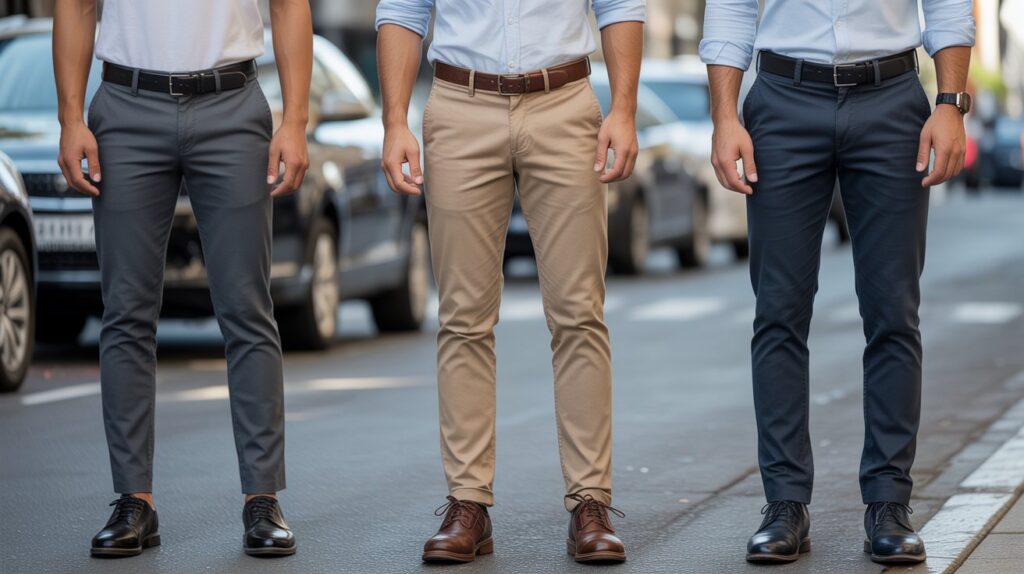
How pants should fit properly is one of the most important aspects of dressing well, yet many men overlook it. The right fit affects comfort, confidence, and overall style, whether you’re wearing dress pants, casual pants, or jeans. In this guide, we’ll walk you through everything from the waist and seat to the thighs, knees, and pant length, helping you achieve a proper pants fit for men that looks sharp and feels comfortable.
Table of Contents
Why Properly Fitted Pants Matter
Properly fitted pants make a noticeable difference in how you look, feel, and move throughout the day. When pants fit correctly, they provide comfort, improve posture, and create a clean, balanced appearance. A proper pants fit for men is not just about style—it’s also about confidence and practicality in daily wear.
Following a reliable pants fit guide for men helps you understand how should pants fit men in different areas such as the waist, seat, thighs, and length. For example, how pants should fit at the waist is one of the most important factors. The waistband should sit comfortably without feeling tight or slipping down, allowing you to move naturally without constantly adjusting your pants. Likewise, how pants should fit in the seat should feel smooth and supportive without sagging or pulling, while how pants should fit in the thighs should allow enough room for walking, sitting, and bending easily.
Another key factor is the correct pant length for men, which affects the overall appearance of an outfit. The ideal pants length for men usually creates a clean line over the shoes, often with a correct pants break for men that gives a polished look. Whether you are wearing formal clothing or everyday outfits, understanding how dress pants should fit and how casual pants should fit helps you choose the right style for each situation.
A good men’s pants fitting guide also helps you recognize signs your pants don’t fit properly, such as excessive bunching, tight fabric across the thighs, or a waistband that constantly slips. Knowing how to know if pants fit properly allows you to shop smarter and avoid uncomfortable clothing. By learning how to choose the right pants fit, whether it’s understanding how slim fit pants should fit or how jeans should fit men, you can select styles that match your body shape. Ultimately, the goal is to find the perfect pants size and the best pants fit for different body types, ensuring both comfort and a sharp, well-put-together appearance.
How Pants Should Fit at the Waist
When learning how pants should fit properly, the waist is the first and most important area to check. The waistband should sit comfortably around your natural waist without feeling tight or sliding down. A good rule from any pants fit guide for men is that you should be able to place one or two fingers between your waist and the waistband. If the pants stay in place without a belt, it usually means the waist size is correct and you are close to a proper pants fit for men.
Understanding how pants should fit at the waist also helps you determine how to know if pants fit properly before buying them. Pants that pinch your stomach, leave marks on your skin, or make it difficult to sit are too tight. On the other hand, if the waistband constantly slips down or bunches when you move, it is too loose. These are common signs your pants don’t fit properly. A balanced waist fit should feel secure but still allow comfortable movement throughout the day.
The waist fit also affects how the rest of the pants look. When the waistband sits correctly, it supports the natural shape of the pants through the hips and improves how pants should fit in the seat and how pants should fit in the thighs. This balance is essential whether you are wearing formal clothing or everyday outfits. For example, understanding how dress pants should fit often starts with a clean waist fit that sits neatly without needing excessive tightening from a belt. Similarly, how casual pants should fit should provide comfort without appearing oversized.
Another useful tip in any men’s pants fitting guide is to consider the style of pants. For instance, how slim fit pants should fit usually means a slightly closer waist fit with a tailored look, while how jeans should fit men may allow a little more flexibility for movement. Choosing the correct waist size also helps maintain the correct pant length for men and the correct pants break for men, which creates a cleaner overall appearance.
Ultimately, learning how to choose the right pants fit at the waist makes it easier to find the perfect pants size and achieve the best pants fit for different body types. Once the waist fits properly, the rest of the pants will naturally fall into place, creating a comfortable and well-balanced fit from top to bottom.
How Pants Should Fit in the Seat
When understanding how pants should fit properly, the seat area is one of the most important parts to check. The seat refers to the fabric around the hips and back, and it should lie smoothly against your body without sagging or pulling. In a good pants fit guide for men, the seat should follow the natural shape of your body while still allowing comfortable movement. This balance is essential for achieving a proper pants fit for men.
Knowing how pants should fit in the seat also helps you quickly know if pants fit properly. If the fabric across the back feels tight, creates horizontal wrinkles, or pulls when you walk or sit, the pants are likely too small. On the other hand, if there is too much loose fabric or sagging in the back, it is one of the clear signs your pants don’t fit properly. A well-fitted seat should look clean and smooth while allowing you to move naturally without restriction.
The seat fit also affects how other parts of the pants sit on your body. When the seat fits correctly, it helps maintain the right shape through the hips and supports how pants should fit in the thighs. It also works together with how pants should fit at the waist, because a poor waist fit can cause bunching or pulling in the seat area. This is why most recommendations in a men’s pants fitting guide start with checking both the waist and seat before focusing on other details.
The type of pants you wear can also influence the seat fit. For example, understanding how dress pants should fit usually means a smoother and slightly tailored seat for a polished look. In contrast, how casual pants should fit may allow a bit more relaxed space while still avoiding sagging. Similarly, how slim fit pants should fit often includes a closer seat fit, while how jeans should fit men should feel secure but flexible for daily movement.
A correct seat fit also helps maintain the overall structure of the pants, including the correct pant length for men and the correct pants break for men, which contribute to a clean silhouette. By learning how to choose the right pants fit, you can easily find the perfect pants size and achieve the best pants fit for different body types. When the seat fits properly, the pants will look balanced, comfortable, and stylish from every angle.
Proper Fit Through the Thighs
When learning how pants should fit properly, the thigh area plays a major role in both comfort and appearance. The thighs should have enough room to allow natural movement without feeling tight or restrictive. At the same time, they should not appear overly loose or baggy. A good pants fit guide for men explains that the fabric around the thighs should follow the shape of your legs while still leaving enough space for walking, sitting, and bending comfortably. Achieving this balance is essential for a proper pants fit for men.
Understanding how pants should fit in the thighs also helps you quickly know if pants fit properly. If the fabric pulls across your legs, feels tight when you sit, or limits your movement, the pants are likely too small. On the other hand, excessive fabric around the thighs can make the pants look oversized, which is one of the common signs your pants don’t fit properly. The goal is a clean and natural shape that allows easy movement without extra bulk.
The thigh fit should also work together with other areas of the pants. For example, the way how pants should fit in the seat affects the comfort of the thigh area, while how pants should fit at the waist helps keep the overall structure balanced. When these areas fit correctly, the pants sit better on your body and maintain a cleaner look throughout the legs. This is why most advice in a men’s pants fitting guide focuses on checking these key areas together rather than individually.
Different styles of pants may slightly change how the thighs should fit. For instance, understanding how slim fit pants should fit usually means a closer fit around the thighs without restricting movement. Meanwhile, how jeans should fit men often includes a bit more flexibility for everyday wear. The same idea applies when comparing how dress pants should fit for formal occasions and how casual pants should fit for daily comfort.
A proper thigh fit also helps maintain the correct shape down the leg, supporting the correct pant length for men, the correct pants break for men, and the ideal pants length for men. By learning how to choose the right pants fit, you can more easily find the perfect pants size and achieve the best pants fit for different body types, ensuring your pants look balanced, comfortable, and stylish.
How Pants Should Fit Around the Knees
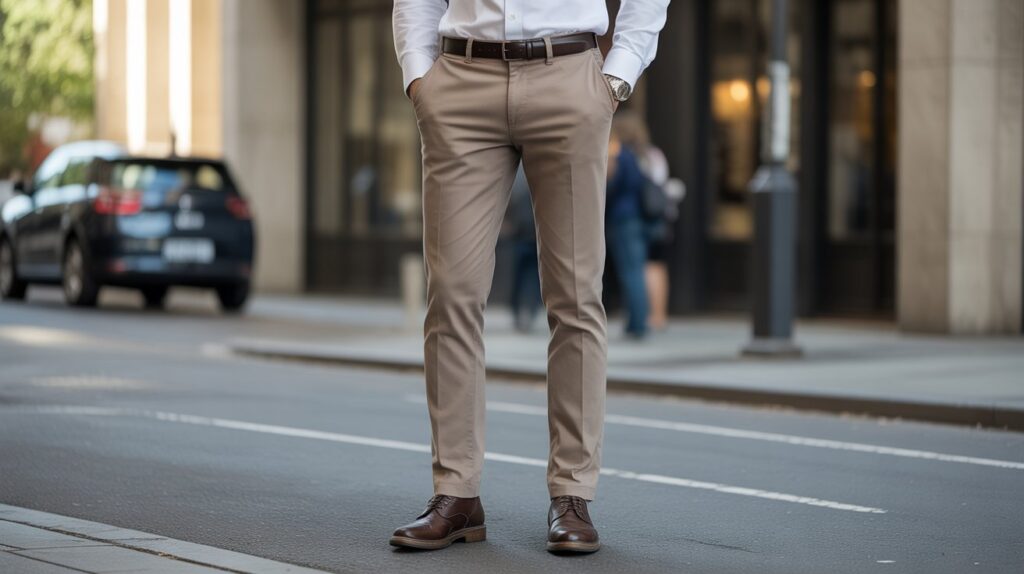
When considering how pants should fit properly, the knee area is crucial for both comfort and appearance. Pants should taper naturally from the thighs to the knees, creating a clean line without appearing too tight or overly baggy. A well-fitted knee area allows free movement while maintaining the structure of the pants. According to any reliable pants fit guide for men, the fit around the knees plays a key role in achieving a proper pants fit for men and ensuring the overall silhouette looks balanced.
Knowing how pants should fit around the knees also helps you know if pants fit properly. Pants that are too tight at the knees can restrict movement, create pulling lines, and feel uncomfortable when sitting or bending. On the other hand, pants with excessive fabric around the knees may appear loose or sloppy—one of the clear signs your pants don’t fit properly. The ideal fit should follow the natural shape of your leg while maintaining a slight taper for a modern, polished look.
The knee fit works in harmony with other areas, including how pants should fit in the thighs, how pants should fit in the seat, and how pants should fit at the waist. When these areas are proportionally balanced, the pants maintain their intended style and comfort. This is especially important when considering different types of pants: how dress pants should fit typically requires a slightly more tailored knee area, while how casual pants should fit allows a little extra room for comfort. Similarly, how slim fit pants should fit or how jeans should fit men emphasizes a snug but flexible knee area that complements the overall fit.
A proper knee fit also contributes to achieving the correct pant length for men, the correct pants break for men, and the ideal pants length for men. Learning how to choose the right pants fit and combining it with the right waist, seat, and thigh measurements makes it easier to find the perfect pants size and get the best pants fit for different body types, ensuring your pants look sharp, feel comfortable, and move naturally.
Correct Pant Length and Break
When learning how pants should fit properly, understanding correct pant length for men and the correct pants break for men is essential for a polished, professional look. The pant length determines how the pants fall over your shoes, while the break refers to the slight fold or crease that forms where the pants meet your footwear. A well-chosen length and break ensures the pants look tailored and balanced, preventing them from appearing too short or excessively long.
A good pants fit guide for men explains that the ideal pants length for men depends on both the style of the pants and the type of shoes worn. For formal attire, how dress pants should fit usually requires a slight break, creating a neat fold over the shoe. For casual wear, how casual pants should fit may allow for minimal or no break, giving a modern, streamlined appearance. Similarly, understanding how slim fit pants should fit or how jeans should fit men helps maintain a flattering silhouette, with pants that gently follow the leg’s natural line without bunching or dragging.
Knowing how to know if pants fit properly at the length is straightforward: pants should graze the top of your shoes without pooling excessively, and the break should create a smooth, natural crease. Excess fabric or improper breaks are clear signs your pants don’t fit properly and can make even well-fitted pants elsewhere look sloppy. The correct pant length also complements how pants should fit at the waist, how pants should fit in the seat, and how pants should fit in the thighs, creating a cohesive and balanced fit.
Using a trusted men’s pants fitting guide allows you to find the perfect pants size and achieve the best pants fit for different body types. By focusing on pant length and break along with other key areas, you ensure comfort, style, and confidence, whether you are wearing dress pants, casual pants, or tailored jeans. Paying attention to these details completes your overall look and demonstrates a true understanding of how should pants fit men for any occasion.
Understanding the Rise of Pants
When learning how pants should fit properly, understanding the rise of pants is essential for achieving both comfort and style. The rise refers to the distance from the crotch seam to the top of the waistband, which determines where the pants sit on your waist and how they fit around your hips. A proper rise ensures that pants sit naturally, support movement, and complement your body shape, making it a key factor in any perfect pants fit guide.
There are three main types of rise: low-rise, mid-rise, and high-rise. Low-rise pants sit below the natural waist and offer a modern, casual look, often used in how casual pants should fit guides. Mid-rise pants are the most common and sit at the natural waist, providing a balanced fit that works well for most men, especially in how dress pants should fit for formal occasions. High-rise pants sit above the natural waist, giving a classic, tailored appearance and often preferred for structured or professional outfits. Knowing how pants should fit at the waist helps determine which rise will feel most comfortable and look proportionate.
A correct rise also affects other areas of fit, including how pants should fit in the seat and how pants should fit in the thighs. Pants with an improper rise can create tension, pulling, or sagging—clear signs your pants don’t fit properly. Following a trusted men’s pants fitting guide can help you select the right rise for your body type, ensuring a proper pants fit for men. Additionally, the rise can influence the correct pant length for men and the overall silhouette, which is why understanding it is critical in achieving the best pants fit for different body types.
By learning how to choose the right pants fit and factoring in the rise, you can easily find the perfect pants size that combines comfort, style, and a polished appearance. Whether you’re selecting jeans, slim fit pants, or tailored trousers, the rise is a foundational element in determining how should pants fit men for a confident and proportionate look.
Common Mistakes When Choosing Pants
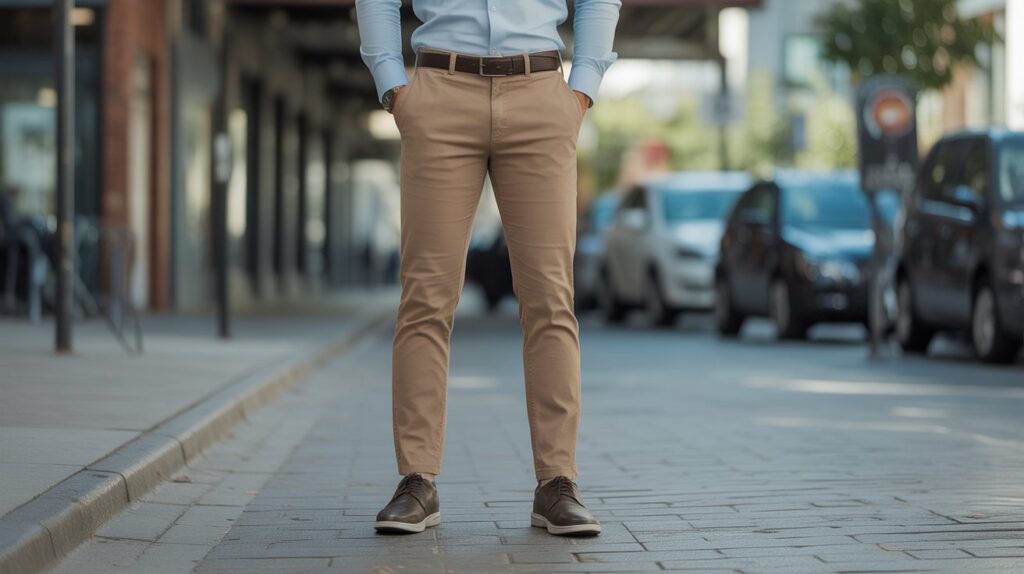
When learning how pants should fit properly, many men make simple but noticeable mistakes that affect both comfort and style. One of the most common errors is wearing pants that are too tight or too loose, which can create discomfort and unflattering lines. Understanding how should pants fit men through a reliable pants fit guide for men helps avoid these pitfalls by emphasizing a balanced fit from the waist to the hem.
A frequent mistake involves how pants should fit at the waist. Pants that are too tight can pinch or dig into the skin, while pants that are too loose may constantly slip, both being clear signs your pants don’t fit properly. Another common error is ignoring correct pant length for men and the correct pants break for men, which can make even high-quality trousers look sloppy. Similarly, failing to check how pants should fit in the seat and how pants should fit in the thighs often leads to bunching, pulling, or excess fabric that reduces comfort and style.
Many also overlook differences between pant styles. For instance, not understanding how dress pants should fit versus how casual pants should fit can result in inappropriate fits for formal or everyday occasions. Choosing the wrong style, like wearing overly slim trousers without considering how slim fit pants should fit, or poorly sized jeans without knowing how jeans should fit men, can compromise both mobility and appearance.
Another mistake is neglecting body type considerations. Using a general men’s pants fitting guide without assessing your shape may lead to poor proportions, even if the size seems correct. Learning how to choose the right pants fit and factoring in body type ensures a proper pants fit for men, allowing you to find the perfect pants size and achieve the best pants fit for different body types. By avoiding these common errors, your pants will look sharp, feel comfortable, and maintain a polished appearance from top to bottom.
Tips for Finding the Perfect Pants Fit
Finding how pants should fit properly is essential for comfort, style, and confidence. The first step is understanding your body measurements and using a reliable perfect pants fit guide. Knowing how pants should fit at the waist, in the seat, through the thighs, and around the knees ensures a balanced and flattering look. Always check that the waistband sits comfortably without slipping or pinching, and that the seat lies smoothly without sagging, which are key indicators of a proper pants fit for men.
Another important tip is to pay attention to correct pant length for men and the correct pants break for men. Pants should graze the top of your shoes with a natural fold, creating a clean silhouette. Consider the type of pants you are wearing: how dress pants should fit differs from how casual pants should fit, and styles like how slim fit pants should fit or how jeans should fit men may require slightly different measurements for comfort and appearance. Always try walking and sitting in the pants to know if pants fit properly, as mobility is just as important as appearance.
Using a detailed men’s pants fitting guide can also help you recognize signs your pants don’t fit properly, such as tightness in the thighs, bunching in the seat, or pants that are too long or too short. Tailoring is another effective tip; small adjustments can make even off-the-rack pants look custom-made. Learning how to choose the right pants fit allows you to find the perfect pants size and achieve the best pants fit for different body types, ensuring your pants look sharp, feel comfortable, and move naturally throughout the day.
By following these practical tips, you’ll ensure that your pants not only fit well but also enhance your overall style and confidence, providing a polished and professional appearance every time.
Best Pants Fits for Different Body Types
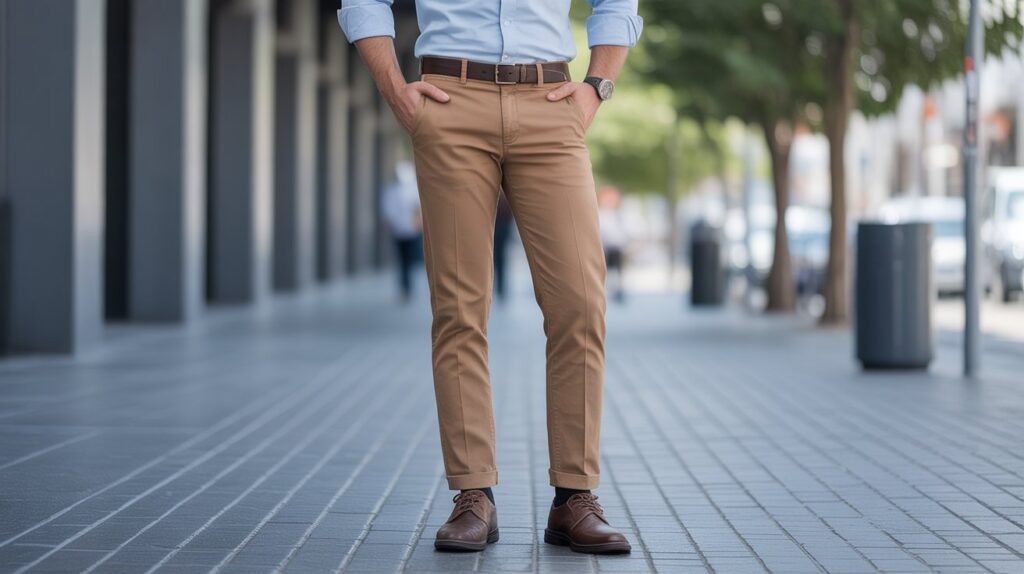
Understanding how pants should fit properly is crucial because every body type requires a slightly different approach to achieve comfort and style. Using a reliable perfect pants fit guide can help men select the right cuts and sizes to enhance their shape while avoiding common mistakes.
For slim body types, pants should have a tailored or slim fit that follows the natural line of the leg without excess fabric. How slim fit pants should fit is essential here, as overly loose pants can overwhelm a lean frame, while overly tight pants may restrict movement. Slim men can usually wear how casual pants should fit and how dress pants should fit in a more tapered style for a modern, sharp appearance.
For athletic or muscular body types, it’s important to allow extra room in the seat and thighs while keeping the waist snug. Knowing how pants should fit in the seat and how pants should fit in the thighs ensures that pants don’t pull uncomfortably or create signs your pants don’t fit properly. Opting for styles like straight or athletic-fit pants helps maintain a proper pants fit for men without sacrificing mobility.
For larger or broader body types, relaxed or classic cuts work best. These styles provide comfort without excess tightness and prevent the pants from being restrictive. Checking how pants should fit at the waist and the correct pant length for men ensures a balanced silhouette, while attention to the correct pants break for men and ideal pants length for men keeps the outfit polished.
Regardless of body type, following a men’s pants fitting guide helps know if pants fit properly, while understanding how to choose the right pants fit allows men to find the perfect pants size. The goal is achieving the best pants fit for different body types, combining comfort, mobility, and style. Whether wearing jeans, slim-fit trousers, or formal wear, proper fit enhances confidence and ensures a clean, tailored appearance.
Conclusion
Understanding how pants should fit properly is essential for comfort, style, and confidence in any outfit. From the waist to the seat, thighs, knees, and pant length, every detail matters in achieving a proper pants fit for men. Using a perfect pants fit guide and paying attention to key areas—such as how pants should fit at the waist, how pants should fit in the seat, and how pants should fit in the thighs—ensures pants look polished and feel comfortable.
Different body types require different fits, whether it’s slim, athletic, or relaxed, and knowing how to choose the right pants fit helps you find the perfect pants size. Checking for signs your pants don’t fit properly, understanding correct pant length for men and the correct pants break for men, and considering style differences like how dress pants should fit versus how casual pants should fit all contribute to a well-balanced appearance.
Ultimately, investing time in selecting the right fit not only enhances your style but also boosts your confidence and comfort. By following these tips and guidelines, you can achieve the best pants fit for different body types, making your pants look tailored, feel great, and carry you through every occasion with ease.
FAQs
How should pants fit men for different body types?
Pants should complement your body shape. Slim body types benefit from tailored or slim-fit pants, athletic builds require more room in the seat and thighs, and larger body types often need relaxed or classic cuts. Choosing the right style ensures comfort and a polished look.
How can I know if pants fit properly?
Check the fit at key points: waist, seat, thighs, knees, and length. The waistband should sit comfortably without slipping, the seat should be smooth, thighs should allow movement, and the pant length should create a clean break over your shoes. Signs of improper fit include bunching, pulling, or sagging.
What is the correct pant length for men?
The correct pant length allows the pants to graze the top of your shoes with a slight fold or break. Formal or dress pants usually have a slight break, while casual or modern styles may have no break for a clean, streamlined appearance.
How should dress pants fit compared to casual pants?
Dress pants should fit more tailored and structured, with attention to waist, seat, thighs, and break. Casual pants allow slightly more relaxed movement but should still maintain proper proportions in the waist, seat, and thigh area to avoid looking baggy.
How do I find the perfect pants size?
Refer to a men’s pants sizing guide to accurately measure your waist, hips, thighs, and inseam. Try different styles like slim-fit, straight, or relaxed to see what suits your body type. Tailoring can also help achieve a proper pants fit for men, ensuring comfort, style, and balance from waist to hem