
Introduction
How to find comfortable pants is a question many people ask but often struggle to answer. The right pair of pants can make a huge difference in your daily comfort, mobility, and confidence. In this guide, we’ll explore fabrics, fit, features, and tips that help you choose pants that feel great all day long, no matter your lifestyle.
Table of Contents
Why Comfortable Pants Matter
Comfortable pants are more than just a clothing choice—they play an important role in your daily comfort, confidence, and mobility. Whether you are going to work, traveling, or relaxing at home, the right pair of pants can make a big difference in how you feel throughout the day. Understanding how to find comfortable pants helps you choose clothing that supports your lifestyle instead of limiting it.
One of the main reasons comfortable pants matter is freedom of movement. Pants that fit well and use flexible fabrics allow your body to move naturally. When pants are too tight or made from stiff materials, simple activities like walking, sitting, or bending can become uncomfortable. On the other hand, well-fitted and breathable pants make daily activities easier and more enjoyable.
Another important factor is long-lasting comfort during extended wear. Many people wear pants for several hours a day, especially at work or during travel. If the waistband is too tight, the fabric is rough, or the fit is incorrect, it can cause irritation and discomfort over time. Learning how to find comfortable pants helps you avoid these problems by focusing on soft fabrics, proper sizing, and flexible designs.
Comfortable pants also improve overall confidence and appearance. When your clothing feels good, you naturally feel more relaxed and confident. Pants that fit comfortably allow you to focus on your tasks instead of constantly adjusting your clothing. This is especially important in professional settings where both comfort and appearance matter.
In addition, comfortable pants contribute to better breathability and temperature control. High-quality fabrics such as cotton or lightweight blends allow air to circulate, helping your body stay cool and comfortable. This is particularly important in warm weather or during physical activities where heavy or non-breathable fabrics can cause overheating.
Finally, understanding how to find comfortable pants helps you make smarter clothing choices. Instead of buying pants based only on style, you start considering important factors such as fabric quality, flexibility, fit, and durability. This leads to better long-term value because comfortable pants tend to last longer and remain wearable for many situations.
In simple terms, comfortable pants are essential because they support your daily activities, improve your confidence, and keep you comfortable for long hours. By paying attention to comfort when choosing pants, you can create a wardrobe that looks good while also feeling great to wear.
Choose the Right Fabric
Choosing the right fabric is one of the most important steps in how to find comfortable pants. The fabric determines not only the look of your pants but also how they feel, how they move with your body, and how suitable they are for different weather conditions. A good fabric can make even a simple pair of pants feel luxurious and easy to wear all day, while the wrong fabric can cause discomfort, irritation, and restrict movement.
1. Cotton: Gentle, Lightweight, and Breathable
Cotton is a natural fabric known for its softness and breathability, making it ideal for everyday wear. Pants made from cotton allow air to circulate, which keeps you cool in warm weather and prevents excessive sweating. They are gentle on the skin and provide a comfortable fit without feeling restrictive. If your goal is comfort for casual or workwear, cotton pants are a reliable choice.
2. Stretch Fabrics: Flexibility and Ease of Movement
Fabrics with a small percentage of elastane or spandex provide stretch, which allows the pants to move with your body. Stretch fabrics are particularly useful for people who are active or spend long hours sitting and standing. They reduce strain on the waistband, hips, and thighs, making them a key factor in how to find comfortable pants that adapt to your movements.
3. Lightweight Fabrics: Ideal for Warm Weather
Lightweight fabrics such as linen or thin cotton blends are perfect for hot climates or summer wear. They are breathable and prevent overheating, which is a common cause of discomfort. Lightweight pants also feel less restrictive and provide a relaxed, airy fit that enhances overall comfort.
4. Blended Fabrics: Durability Meets Comfort
Blended fabrics, such as cotton-polyester or cotton-linen combinations, balance comfort and durability. They often resist wrinkles, maintain shape after washing, and provide a soft, smooth texture against the skin. Blends can also offer moisture-wicking properties, making them suitable for both casual and semi-formal occasions.
5. Consider Fabric Weight and Season
The weight of the fabric plays a crucial role in comfort. Heavier fabrics, like thick denim or wool blends, are better for colder weather, while lighter fabrics are better for warmer months. Understanding how to find comfortable pants also means choosing fabric weight that matches your environment and daily activities.
In conclusion, selecting the right fabric is essential to achieving comfort, style, and durability in your pants. By focusing on breathable materials, flexible blends, and appropriate fabric weight, you ensure that your pants not only look good but also feel comfortable throughout the day. Paying attention to fabric quality is a foundational step in how to find comfortable pants that you’ll want to wear regularly.
Find the Perfect Fit
Finding the perfect fit is one of the most important steps in how to find comfortable pants. Even the softest, highest-quality fabric cannot provide comfort if the pants do not fit your body properly. The right fit ensures freedom of movement, reduces discomfort, and enhances your overall appearance.
1. Waist Fit: Avoid Tight or Loose Bands
The waistband is the foundation of comfort in any pair of pants. Pants that are too tight can dig into your waist, cause irritation, and limit movement. On the other hand, pants that are too loose may slide down and require constant adjustment. When learning how to find comfortable pants, look for a waistband that sits naturally at your waist without pinching or slipping. Adjustable waistbands or slight elastic stretches can also improve comfort.
2. Hip and Thigh Fit: Allow Natural Movement
The area around your hips and thighs should provide enough room for sitting, walking, and bending without feeling restrictive. Pants that are too tight in these areas can lead to discomfort and even skin irritation over time. Conversely, pants that are too loose may look baggy and unkempt. Properly fitted pants balance a flattering appearance with practical comfort, making them ideal for daily wear.
3. Leg Style and Length: Match Your Lifestyle
Leg style and length play a major role in comfort. Slim-fit pants may look stylish but can feel restrictive if worn for long periods. Relaxed or straight-leg pants often provide more ease of movement. The length should allow the pants to sit naturally on your shoes without dragging on the ground. When exploring how to find comfortable pants, consider both your body shape and the type of activities you’ll be doing.
4. Rise: High, Mid, or Low
The rise of pants, which measures the space from the waistband to the crotch, influences how the pants sit on your hips and shape your torso. A mid-rise is usually versatile and comfortable for most body types, while high-rise pants offer more support around the waist, and low-rise pants may feel restrictive for some. Choosing the right rise is a key part of ensuring your pants feel comfortable throughout the day.
5. Testing for Comfort
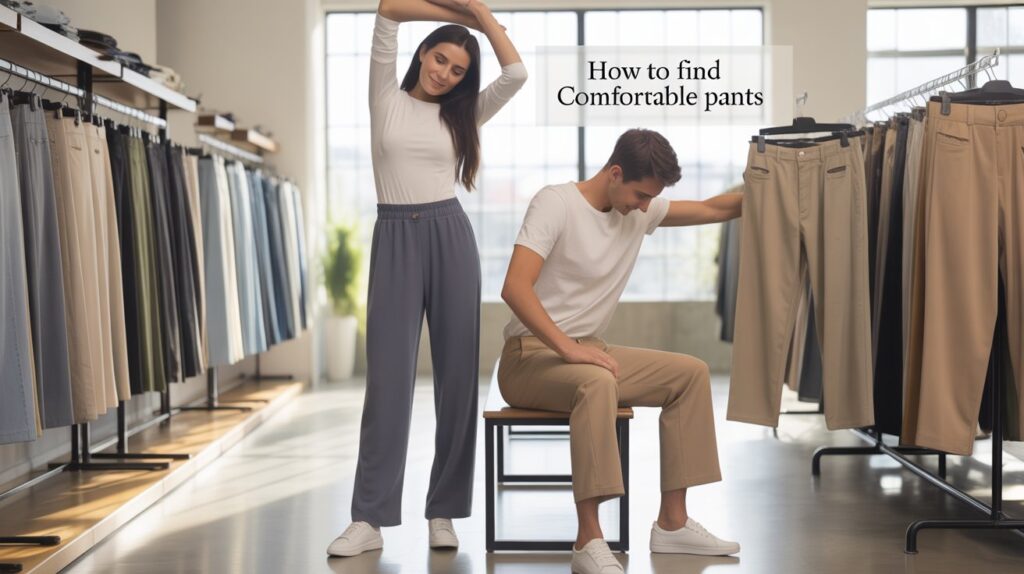
Before buying, always try the pants on and move around. Sit, bend, squat, and walk to check if the fit stays comfortable in all positions. Pay attention to areas that might pinch, pull, or feel too loose. This hands-on test is essential when understanding how to find comfortable pants that will serve you well in everyday activities.
In conclusion, the perfect fit combines proper waist, hip, thigh, and leg measurements with a rise and style that suits your lifestyle. Focusing on fit ensures that your pants not only look great but also provide all-day comfort, making it a crucial step in how to find comfortable pants.
Consider the Purpose of the Pants
When learning how to find comfortable pants, one crucial factor is understanding the purpose of the pants you plan to wear. Not all pants are designed for the same activities, and choosing the right type for your specific needs ensures both comfort and practicality. By matching your pants to their intended use, you can avoid discomfort and make better choices for your wardrobe.
1. Casual Pants for Daily Use
Casual pants are meant for daily activities such as running errands, relaxing at home, or casual outings. Comfort is the top priority for these pants, so fabrics that are soft, breathable, and slightly stretchy work best. Examples include cotton chinos, joggers, or relaxed-fit pants. When considering how to find comfortable pants for casual use, look for designs that allow free movement, have a flexible waistband, and feel light throughout the day.
2. Professional or Office Pants
Durable Workwear Designed for Functionality. These include office pants, cargo pants, or uniforms. Comfort is important, but so is practicality. Fabrics need to withstand frequent wear and provide ease of movement for sitting, standing, or walking long distances. Features such as reinforced seams, multiple pockets, and stretch panels can enhance comfort while supporting professional or labor-intensive tasks. Understanding how to find comfortable pants for work means balancing style, durability, and mobility.
3. Pants Ideal for Traveling
Travel pants are specifically designed for long periods of wear and varying conditions. Breathable fabrics, stretchable material, and lightweight designs are essential to prevent discomfort during flights, long drives, or walking tours. Many travel pants also include features like moisture-wicking fabrics, hidden pockets, or adjustable waistbands. Choosing pants with these features is a key step in how to find comfortable pants that keep you relaxed and mobile while on the go.
4. Active or Sports Pants
For exercise or outdoor activities, comfort must combine with flexibility and moisture control. Athletic pants, leggings, or hiking trousers often use performance fabrics that stretch, wick sweat, and allow full range of motion. When learning how to find comfortable pants for activity, pay attention to fabric elasticity, breathability, and fit around joints to avoid restrictions or chafing.
5. Clothing Choices Based on Seasonal Needs
The purpose of pants can also be influenced by the season. Lightweight, breathable fabrics are ideal for hot weather, while thicker, insulating materials are better for cold climates. Considering the environment in which you’ll wear the pants is an important part of how to find comfortable pants, ensuring you stay comfortable year-round.
In summary, choosing pants based on their intended purpose is essential for comfort and functionality. By matching pants to your daily activities, work, travel, or sports needs, you ensure that each pair not only fits well but also serves its intended role efficiently, making your wardrobe both practical and comfortable.
Check Important Comfort Features
When learning how to find comfortable pants, focusing on comfort features is just as important as selecting the right fabric and fit. Small details in design and construction can make a big difference in how the pants feel during daily activities. Paying attention to these features ensures that your pants support movement, reduce irritation, and provide all-day comfort.
1. Elastic or Adjustable Waistbands
A flexible waistband is one of the most important comfort features. Pants with elastic or adjustable waistbands adapt to your body, allowing freedom of movement without feeling tight or restrictive. This feature is especially useful for long hours of wear, as it prevents discomfort caused by pinching or pressure around the waist.
2. Flexible and Stretchable Materials
Pants made from stretchable materials, such as blends containing elastane or spandex, allow natural movement without restriction. Stretch fabrics help with bending, sitting, walking, or stretching, making them essential when understanding how to find comfortable pants that accommodate an active lifestyle.
3. Air-Flow Friendly Fabrics
Breathability is key for preventing overheating and moisture buildup, especially in warm climates or during physical activity. Pants made from cotton, linen, or lightweight blends allow air circulation and keep your skin cool and comfortable throughout the day.
4. Spacious and Practical Pockets
Comfort is not only about how pants feel on your body but also how practical they are. Deep and well-placed pockets allow you to carry essentials without discomfort or bulky bulges. This feature is particularly important for work, travel, or outdoor activities.
5. Smooth Seams and Finishes
Rough seams or poorly finished edges can cause irritation, especially in sensitive areas like the inner thighs. Pants with smooth stitching and flat seams provide extra comfort, reducing chafing and making long hours of wear more enjoyable.
6. Lightweight and Flexible Construction
Even well-fitted pants can feel uncomfortable if the overall design is stiff or heavy. Lightweight construction combined with flexible fabric ensures that the pants move with you naturally. This is especially important for casual, travel, or athletic pants.
7. Moisture-Wicking or Quick-Dry Properties
Some pants, especially those designed for outdoor or active use, come with moisture-wicking or quick-dry features. These help keep sweat away from your body, maintaining comfort and preventing skin irritation, which is a key consideration in how to find comfortable pants.
In conclusion, checking important comfort features ensures that your pants feel good in every situation. By focusing on waist flexibility, stretchable fabrics, breathable materials, functional pockets, smooth seams, and lightweight construction, you can confidently choose pants that provide both style and long-lasting comfort. These features are essential to mastering how to find comfortable pants that work for your lifestyle.
Test the Comfort Before Buying
One of the most crucial steps in how to find comfortable pants is testing them before making a purchase. Even pants made from soft fabrics and designed with the right fit can feel uncomfortable if they do not move well with your body. Taking the time to test pants ensures that you choose a pair that provides lasting comfort, supports your daily activities, and fits your lifestyle.
1. Walk Around
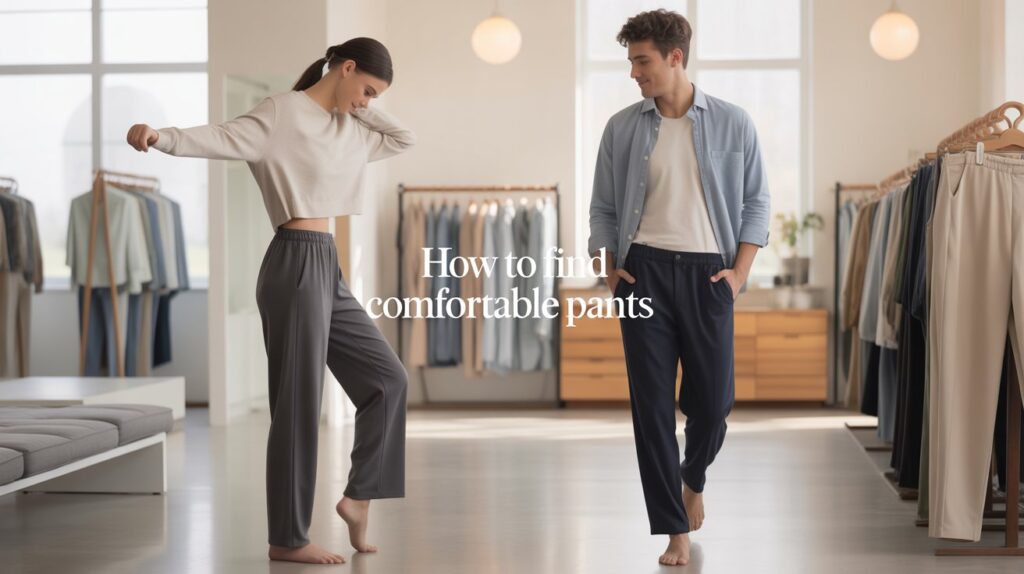
Before buying, put on the pants and walk around the store or your home. Pay attention to how the waistband, hips, and thighs feel as you move. Pants that feel restrictive or pinch during walking are unlikely to provide comfort over long periods. Walking helps you evaluate natural movement and determine whether the pants will be comfortable during everyday use.
2. Sit and Bend
Comfortable pants should allow you to sit and bend without feeling tight or pulling. Test this by sitting in a chair and bending forward slightly. Check whether the fabric stretches naturally and whether there is enough room in the waist, hips, and thighs. This simple test is essential in understanding how to find comfortable pants that work for both casual and professional settings.
3. Stretch Movements
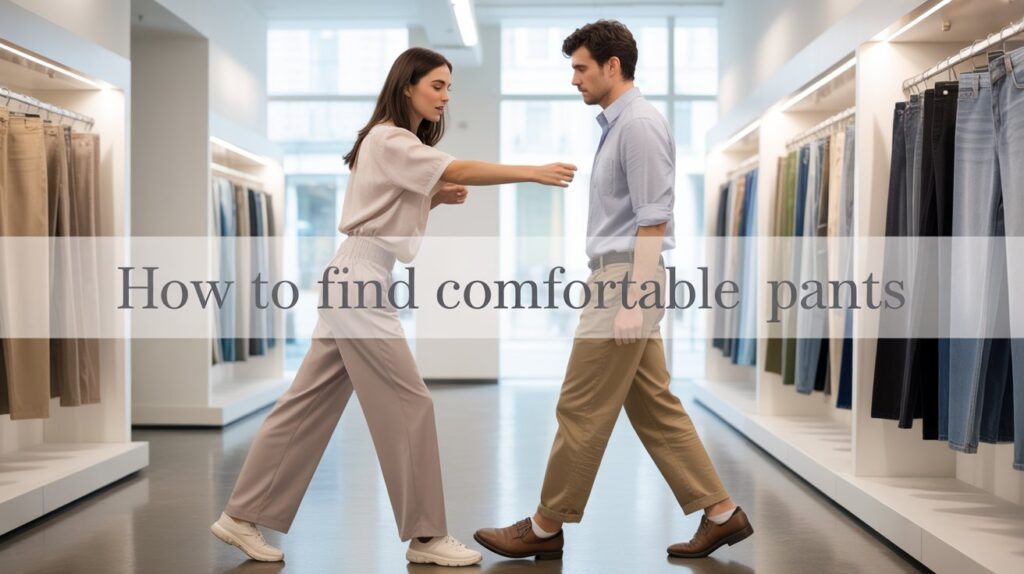
Try basic stretches like raising your legs, bending your knees, or squatting slightly. This helps identify if the pants restrict movement or if the fabric has enough flexibility. Stretch testing is particularly important for athletic, travel, or work pants, where freedom of movement is critical for comfort.
4. Check Waistband Flexibility
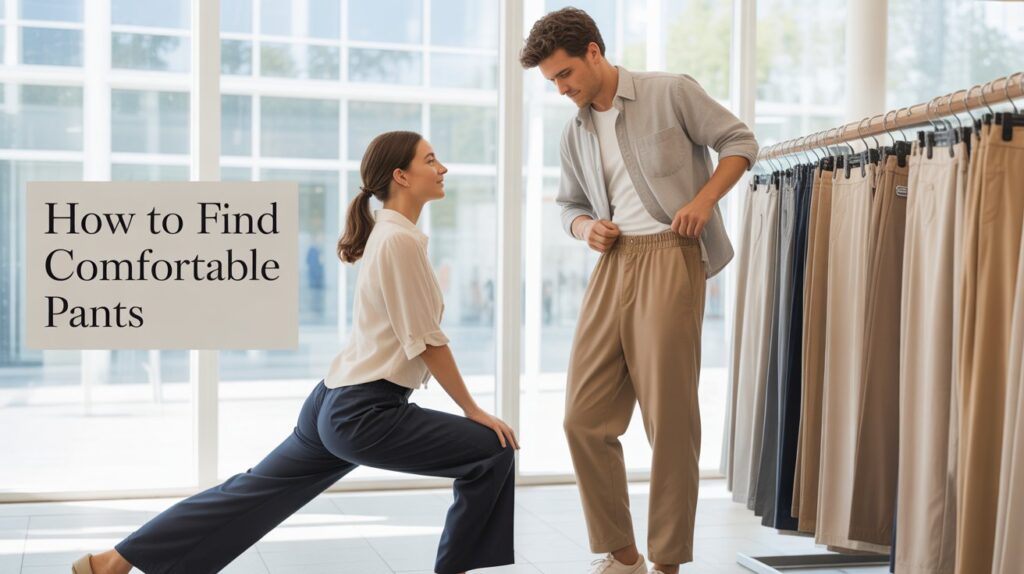
Move, twist, and sit to evaluate the waistband. A comfortable waistband should adapt to your movements without digging into your skin or sliding down. Adjustable or elastic waistbands often provide a better fit, but it’s important to test them yourself to ensure they feel right for your body type.
5. Inspect for Pressure Points
As you try on the pants, notice any areas where the fabric feels tight, seams rub, or stitching causes discomfort. Even minor pressure points can become irritating over hours of wear. By identifying these issues during testing, you can avoid pants that may look good but fail in comfort.
In conclusion, testing the comfort before buying is a vital step in how to find comfortable pants. Walking, sitting, stretching, checking the waistband, and inspecting for pressure points ensures that you select pants that feel as good as they look. Taking the time to perform these checks guarantees that your pants provide all-day comfort, support movement, and suit your lifestyle perfectly.
Common Mistakes When Choosing Pants
When learning how to find comfortable pants, it’s just as important to know what to avoid as it is to know what to look for. Many people make simple mistakes when selecting pants that can lead to discomfort, poor fit, and wasted money. Understanding these common pitfalls helps you make smarter choices and ensures your pants are both stylish and comfortable.
1. Selecting an Incorrect Size
A frequent error is purchasing pants that either fit too snugly or hang too loosely. Pants that are too tight can dig into your waist, hips, or thighs, causing irritation and limiting movement. Pants that are too loose may slide down or look baggy, requiring constant adjustment. Always measure your waist, hips, and inseam, and try on pants whenever possible to ensure proper sizing.
2. Ignoring Fabric Quality
Some buyers focus solely on style or color and ignore the fabric. Low-quality materials can feel rough, restrict movement, or wear out quickly. When considering how to find comfortable pants, prioritize fabrics that are soft, breathable, and flexible. High-quality materials not only improve comfort but also ensure durability over time.
3. Prioritizing Style Over Comfort
While fashion is important, choosing pants based only on looks can lead to discomfort. Skinny or tight-fitting pants may appear trendy but can restrict movement or cause chafing. Comfortable pants balance style with practical features like stretch, breathability, and proper fit. Always consider how the pants feel as much as how they look.
4. Overlooking Functional Features
Many pants lack functional details such as pockets, adjustable waistbands, or smooth seams. Neglecting these comfort features can make pants inconvenient for daily use. Understanding how to find comfortable pants includes checking for practical elements that enhance usability and make long-term wear more enjoyable.
5. Skipping the Test Before Purchase
Another common mistake is buying pants without trying them on or testing their flexibility. Walking, sitting, and bending while trying on pants helps you identify any discomfort or restrictions. Pants that feel good in a static position may still be uncomfortable during real-life movements, so testing is essential.
6. Ignoring Seasonal and Activity Needs
Choosing pants without considering the season or purpose can lead to discomfort. Heavy fabrics in summer can cause overheating, while lightweight materials in winter may not provide warmth. Similarly, casual pants may not work well for work, travel, or sports activities. Matching pants to the intended use is a key part of how to find comfortable pants.
In conclusion, avoiding these common mistakes ensures that your pants provide lasting comfort, proper fit, and functionality. By focusing on size, fabric quality, comfort features, and intended use, you can make informed choices that improve both your wardrobe and your daily comfort.
Tips to Maintain Comfort in Pant
Once you know how to find comfortable pants, the next step is learning how to maintain that comfort over time. Proper care and smart usage can keep your pants soft, flexible, and wearable for longer periods. By following simple tips, you can ensure your pants continue to provide comfort, look good, and last through daily wear.
1. Adhere to Care and Washing Guidelines
Every fabric has specific washing requirements. Cotton, linen, and blended fabrics may shrink, fade, or lose softness if washed incorrectly. Always check the care label and use the recommended water temperature, detergent, and washing cycle. Gentle washing preserves the fabric’s texture, elasticity, and overall comfort, making it a critical step in how to find comfortable pants that last.
2. Limit Frequent Washing
Frequent washing can wear out pants faster, especially elastic or stretch fabrics. Only wash pants when necessary, and spot-clean minor stains to maintain their softness and fit. Overwashing can cause fabrics to lose flexibility, resulting in pants that feel stiff or uncomfortable.
3. Dry Properly
Air drying is often better than using a machine dryer, which can shrink or weaken fabric fibers. Lay pants flat or hang them in a shaded area to maintain their shape and elasticity. Proper drying ensures that the pants retain their fit and continue to feel comfortable during wear.
4. Store Pants Correctly
Fold pants neatly or hang them on appropriate hangers to prevent wrinkles, creases, or stretching in unwanted areas. Avoid overstuffing drawers or closets, as compressed pants can lose their shape and comfort. Good storage practices are a simple way to extend the lifespan of your pants while maintaining their soft feel.
5. Alternate Your Pants Regularly
Wearing the same pair of pants every day can cause them to wear out faster, reducing their comfort. Use Different Pairs to Give Fabrics Time to Recover. This not only prolongs comfort but also helps keep your wardrobe fresh and versatile.
6. Repair Minor Issues Promptly
Loose threads, broken buttons, or small tears can affect how pants feel. Addressing these issues quickly prevents discomfort and keeps your pants wearable for longer. Maintaining functional features like elastic waistbands or adjustable components also contributes to ongoing comfort.
7. Choose Weather-Appropriate Fabrics
Even well-maintained pants can become uncomfortable if worn in unsuitable conditions. Lightweight, breathable fabrics are ideal for warm weather, while thicker, insulating fabrics work better in colder months. Paying attention to seasonal needs is an essential part of how to find comfortable pants for long-term use.
In conclusion, maintaining comfort in pants requires careful attention to washing, drying, storage, rotation, and repair. By following these tips, you can ensure that your pants stay soft, flexible, and enjoyable to wear, making every pair a reliable choice in your wardrobe. Proper maintenance not only preserves comfort but also enhances the overall lifespan and functionality of your pants.
Conclusion
Finding the perfect pair of pants goes beyond just picking a style you like—it’s about comfort, fit, and functionality. Understanding how to find comfortable pants involves considering the right fabric, proper fit, purpose, and important comfort features. Testing pants before buying, avoiding common mistakes, and maintaining them properly ensures they remain soft, flexible, and wearable for years to come.
By focusing on these key factors, you can build a wardrobe of pants that not only look great but also support your daily activities, whether at work, during travel, or in casual settings. Comfortable pants improve mobility, confidence, and overall satisfaction, making them an essential part of your everyday attire.
Investing the time to choose pants thoughtfully and maintaining them well guarantees that every pair delivers both style and lasting comfort—helping you move, work, and live more comfortably every day.
FAQs
How can I find comfortable pants that fit well?
To find comfortable pants, focus on the right size, fabric, and fit. Ensure the waistband, hips, and thighs allow freedom of movement, and choose pants with a suitable rise and leg style for your body type. Testing the pants by walking, sitting, and stretching before buying helps ensure a perfect fit.
Which fabrics are best for comfortable pants?
Natural fabrics like cotton and linen are soft and breathable, while blended fabrics provide durability and flexibility. Stretchable fabrics with elastane or spandex offer better movement. Choosing lightweight fabrics in warm weather and thicker fabrics in cold seasons also increases comfort.
What features should I look for in comfortable pants?
Key comfort features include elastic or adjustable waistbands, breathable and stretchable fabrics, smooth seams, deep and functional pockets, and lightweight construction. Pants with moisture-wicking or quick-dry properties are ideal for travel or active use.
How can I maintain comfort in pants over time?
Follow washing instructions, avoid over washing, air dry, store pants properly, rotate your wardrobe, and repair minor issues promptly. Choosing weather-appropriate fabrics and taking care of functional features ensures your pants remain comfortable for long-term wear.
What common mistakes should I avoid when choosing pants?
Avoid buying the wrong size, ignoring fabric quality, prioritizing style over comfort, skipping important features, neglecting to test for fit and movement, and not considering seasonal or activity needs. Being mindful of these mistakes helps you select pants that are both comfortable and practical.