Introduction
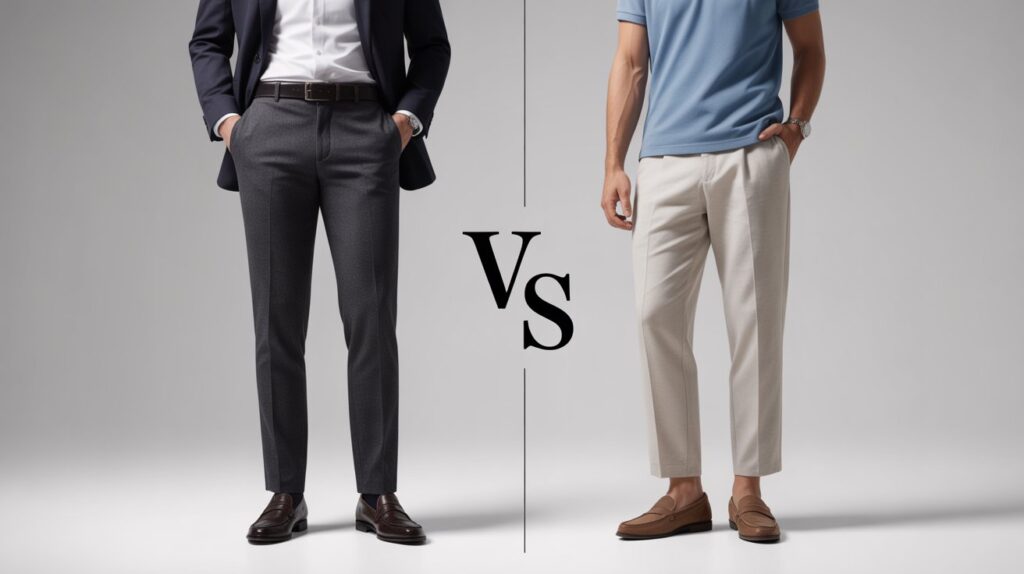
Wool pants vs linen pants is a common dilemma for anyone looking to balance comfort, style, and seasonality in their wardrobe. Both fabrics have unique benefits: wool offers structure, durability, and a polished look, while linen provides lightweight breathability and relaxed comfort. In this guide, we’ll break down the key differences, seasonal suitability, and practical tips to help you choose the perfect pair for work, casual wear, and travel.
What Are Wool Pants?
Wool pants are trousers made from natural wool fibers, known for their ability to regulate temperature, maintain shape, and deliver a polished appearance across different seasons. In simple terms, wool pants are designed to keep you comfortable in cool, mild, and even warmer conditions while offering a refined look that works well for both professional and everyday wear. Because of these qualities, they are a staple in many US wardrobes, especially for office, business casual, and formal settings.
Wool is a breathable and moisture-wicking fabric, which means wool pants can help manage body heat and reduce discomfort during long hours of wear. Unlike heavier fabrics that trap warmth, wool fibers allow air circulation while insulating when temperatures drop. This makes wool pants a practical choice for fall and winter, as well as transitional seasons like spring. Different types of wool—such as merino wool or worsted wool—are commonly used in pants to balance softness, durability, and structure. Merino wool is valued for its smooth feel against the skin, while worsted wool is often chosen for its crisp finish and resistance to wrinkles.
Another key advantage of wool pants is their versatility. They pair easily with dress shirts, sweaters, and blazers, making them suitable for offices, formal events, and smart-casual occasions. Wool pants are also known for holding their shape well, which helps them look neat throughout the day with minimal creasing. While they may require more careful cleaning than casual fabrics, their long lifespan and timeless style often make them a worthwhile investment.
Key characteristics of wool pants include:
- Natural temperature regulation
- Breathable and moisture-resistant fibers
- Structured, professional appearance
- Strong durability and shape retention
When comparing fabric options, wool pants stand out for offering a balance of comfort, performance, and classic style, making them a reliable choice for men who want trousers that work across multiple settings without sacrificing quality.
What Are Linen Pants?
Linen pants are trousers made from flax plant fibers, valued for their lightweight feel, high breathability, and ability to keep the body cool in warm and humid weather. In simple terms, linen pants are designed for maximum airflow and comfort, making them a popular choice for summer wear, especially in hot US climates. Their relaxed texture and natural finish give them an easygoing style that works well for casual, travel, and warm-weather outfits.
Linen fabric is naturally breathable and moisture-absorbing, which helps reduce heat buildup and keeps the wearer feeling fresh throughout the day. This makes linen pants especially suitable for summer months, beach destinations, and outdoor settings where staying cool is a priority. Unlike heavier materials, linen allows air to circulate freely, preventing the sticky or overheated feeling often associated with synthetic fabrics. Because linen fibers are strong yet lightweight, linen pants offer comfort without sacrificing durability for everyday wear.
One defining feature of linen pants is their relaxed appearance. The fabric has a natural tendency to crease, which adds to its laid-back charm rather than detracting from it. This makes linen pants ideal for casual outings, vacations, and smart-casual settings where comfort and style need to coexist. They pair well with lightweight shirts, polos, and summer footwear, creating effortless warm-weather outfits. While linen pants may not be the first choice for formal or structured dress codes, they excel in environments where breathability and ease of movement matter most.
Key characteristics of linen pants include:
- Lightweight and airy construction
- High breathability for hot weather
- Moisture-absorbing natural fibers
- Relaxed and casual appearance
Overall, linen pants are a practical and stylish option for anyone seeking comfort in warm conditions. Their cooling properties, natural texture, and seasonal versatility make them a go-to choice for summer-focused wardrobes.

Wool Pants vs Linen Pants: Key Differences
The key difference between wool pants and linen pants comes down to climate performance, appearance, and overall use. Wool pants are designed to offer structure, insulation, and versatility across cooler and moderate temperatures, while linen pants focus on breathability and cooling comfort in hot and humid conditions. Understanding these differences helps you choose the right fabric based on weather, lifestyle, and occasion.
Wool pants are made from natural wool fibers that regulate body temperature by trapping warmth in cool conditions and releasing heat when temperatures rise. This makes them suitable for year-round wear, especially in professional and business-casual settings. Wool also has natural elasticity, allowing pants to hold their shape and resist wrinkles, which contributes to a polished and refined look. In contrast, linen pants are made from flax fibers and are known for their lightweight, airy construction. Linen allows maximum airflow, making it ideal for summer wear, outdoor activities, and warm climates where staying cool is essential. However, linen wrinkles easily, giving it a relaxed and casual appearance that is less formal than wool.
Another major difference lies in comfort and maintenance. Wool pants tend to feel smoother and more structured, making them comfortable for long hours in offices or formal environments. They are also durable and long-lasting but often require careful cleaning. Linen pants, on the other hand, feel crisp and breathable against the skin but need frequent pressing to maintain a neat look. While linen excels in heat management, it offers less insulation and structure than wool.
Key differences at a glance:
- Wool pants provide temperature regulation and a formal appearance
- Linen pants prioritize breathability and lightweight comfort
- Wool resists wrinkles better, while linen creases naturally
- Linen suits hot weather, wool works across multiple seasons
In summary, wool pants vs linen pants is a choice between year-round versatility and warm-weather comfort. The best option depends on your climate, dress code, and personal comfort preferences.
Wool Pants vs Linen Pants for Summer in the US
When choosing between wool pants and linen pants for summer in the US, the main deciding factors are heat, humidity, and daily activity. Linen pants are generally better suited for hot American summers because they are lightweight and highly breathable, while wool pants work best in mild summer conditions or air-conditioned environments. This distinction helps shoppers quickly decide based on climate and comfort needs.
Linen pants are made from flax fibers that allow constant airflow, helping the body release heat in high temperatures. In regions with intense summer heat or humidity—such as the southern and coastal states—linen pants keep wearers feeling cooler and less restricted. Their moisture-absorbing properties reduce discomfort during long outdoor hours, making them ideal for vacations, casual outings, and summer travel. However, linen naturally wrinkles, giving it a relaxed appearance that fits casual and smart-casual settings rather than formal workplaces.
Wool pants, especially those made from lightweight or tropical wool, perform differently in summer. Wool fibers regulate temperature by wicking moisture away from the skin and allowing heat to escape, which can make wool pants comfortable in dry or moderate summer climates. In many US offices where air conditioning is common, wool pants offer comfort without sacrificing a professional look. They also resist wrinkles better than linen and maintain structure throughout the day, making them suitable for business or office wear. That said, wool pants can feel warm during extreme heat or prolonged outdoor exposure.
Summer suitability comparison:
- Linen pants excel in hot and humid US weather
- Wool pants suit air-conditioned spaces and mild summer days
- Linen offers maximum airflow, while wool provides balanced temperature control
- Wool looks more polished; linen feels relaxed and casual
Overall, when comparing wool pants vs linen pants for summer in the US, linen is the top choice for outdoor heat, while lightweight wool remains a smart option for professional settings and cooler indoor environments.
Wool Pants vs Linen Pants for Workwear
When it comes to workwear, the difference between wool pants and linen pants is mainly about professionalism, structure, and comfort throughout the workday. Wool pants are generally better suited for office and business environments because they offer a polished appearance, while linen pants work best in casual or relaxed workplaces, especially during warmer months. This makes fabric choice an important part of matching dress code expectations without sacrificing comfort.
Wool pants are widely used in professional settings due to their structured drape, wrinkle resistance, and ability to maintain a clean look for long hours. Wool fibers naturally regulate temperature and wick moisture, which helps keep wearers comfortable in air-conditioned offices and during commutes. This makes wool pants a reliable option for business formal and business casual dress codes. They pair easily with dress shirts, blazers, and formal footwear, creating a refined outfit suitable for meetings and everyday office wear. In addition, wool pants tend to hold their shape throughout the day, reducing the need for frequent adjustments or pressing.
Linen pants, by contrast, offer superior breathability but a more relaxed appearance. While they excel in hot weather and improve comfort during summer workdays, linen’s tendency to wrinkle makes it less ideal for traditional office environments. However, in creative industries, casual offices, or remote-friendly workplaces, linen pants can be an appropriate and comfortable choice. They are especially practical for roles that allow smart-casual dressing or prioritize comfort over formality. Linen pants also work well for work-related travel in warm climates, where airflow and lightweight fabric matter more than sharp structure.
Workwear comparison highlights:
- Wool pants suit formal and business-casual offices
- Linen pants fit casual and relaxed work environments
- Wool offers structure and wrinkle resistance
- Linen prioritizes breathability and summer comfort
Overall, when comparing wool pants vs linen pants for workwear, wool remains the more professional and versatile option, while linen serves as a comfortable alternative for casual workplaces and warm-weather conditions.
Wool Pants vs Linen Pants for Casual & Travel Wear
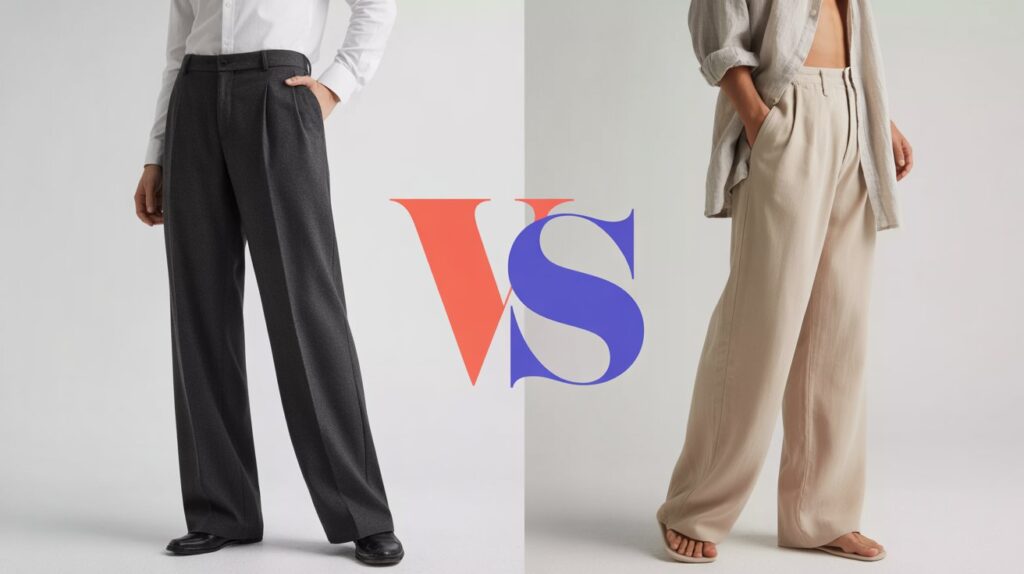
For casual and travel wear, the choice between wool pants and linen pants depends on comfort, climate, and how much versatility you need while on the move. Linen pants are generally preferred for relaxed, warm-weather travel because they are lightweight and breathable, while wool pants offer better adaptability and a more refined look for varied destinations. Understanding how each fabric performs helps travelers pack smarter and dress comfortably without overthinking outfits.
Linen pants are ideal for casual days, vacations, and travel in hot or humid climates. Made from natural flax fibers, they allow maximum airflow and help prevent overheating during long walks, sightseeing, or outdoor activities. Their lightweight feel makes them easy to wear for extended periods, and their relaxed appearance fits perfectly with beach destinations, summer city breaks, and laid-back environments. However, linen wrinkles easily, which may not matter for casual wear but can be a drawback when transitioning from daytime exploring to slightly dressier settings.
Wool pants, especially those made from lightweight or performance-focused wool, provide more flexibility for travel. Wool naturally regulates temperature and manages moisture, making wool pants comfortable during flights, changing weather conditions, and cooler evenings. They also resist odors and wrinkles better than linen, which is useful when packing light or wearing the same pants multiple times on a trip. For casual wear, wool pants can still look relaxed when styled with simple tops, while offering a cleaner and more put-together appearance than linen.
Casual and travel wear comparison:
- Linen pants are best for hot-weather travel and relaxed settings
- Wool pants adapt well to changing climates and longer trips
- Linen prioritizes airflow and lightness
- Wool offers wrinkle resistance and versatility
In summary, when comparing wool pants vs linen pants for casual and travel wear, linen is the go-to option for heat and ease, while wool stands out for versatility, durability, and polished comfort during travel.
Wool Pants vs Linen Pants Comparison Table
When deciding between wool pants and linen pants, a clear side-by-side comparison helps highlight the strengths and limitations of each fabric, making it easier for readers to choose the best option for their lifestyle, weather, and wardrobe needs. Wool pants excel in structure, durability, and professional appeal, while linen pants are favored for their breathability, lightweight comfort, and relaxed style, particularly in warmer climates. Understanding these differences in one glance allows for informed decisions whether dressing for work, casual wear, or travel.
A comparison table can summarize the most important aspects of wool and linen pants:
Key Comparison Points:
- Fabric: Wool pants are made from natural wool fibers; linen pants come from flax fibers.
- Weight & Feel: Wool is medium to heavyweight and structured; linen is lightweight and airy.
- Temperature Regulation: Wool insulates in cooler climates while balancing moderate heat; linen excels in hot and humid conditions.
- Breathability: Linen allows superior airflow; wool is breathable but slightly warmer.
- Wrinkle Resistance: Wool resists creasing and maintains shape; linen wrinkles easily, adding a casual look.
- Durability: Wool pants last longer with proper care; linen is strong but may wear faster under heavy use.
- Style & Use: Wool suits professional, business casual, and formal occasions; linen is ideal for summer, casual, and travel outfits.
- Care Requirements: Wool often requires gentle washing or dry cleaning; linen is easier to machine wash but needs ironing to look crisp.
This comparison table provides a practical and quick reference for anyone weighing wool pants vs linen pants, allowing US readers to choose the fabric that best matches climate, activity, and personal style preferences. By understanding the differences clearly, shoppers can confidently select pants that deliver both comfort and functionality.
How to Choose Between Wool and Linen Pants
Choosing between wool and linen pants largely depends on climate, occasion, comfort, and personal style. Wool pants are ideal for cooler weather, professional settings, or situations where structure and wrinkle resistance matter, while linen pants shine in hot climates, casual outings, and relaxed environments where breathability and lightweight comfort are priorities. Evaluating these factors helps you make a practical choice that balances style, functionality, and seasonality.
When considering climate, wool pants provide insulation and temperature regulation, making them suitable for fall, winter, and spring in the US, or for air-conditioned offices during summer. Linen pants, on the other hand, excel in warm and humid conditions because flax fibers allow maximum airflow and absorb moisture, keeping you cool during outdoor activities or summer travel. For occasion and dress code, wool pants are more versatile in professional and formal settings due to their structured appearance and ability to maintain a crisp look throughout the day. Linen pants work best for casual wear, beach trips, and smart-casual events where comfort and a relaxed style are acceptable.
Other considerations include:
- Comfort: Wool provides a soft, smooth feel and maintains shape; linen is lightweight and breathable but wrinkles easily.
- Maintenance: Wool requires careful cleaning, often dry cleaning or gentle washing; linen can be machine washed but may need frequent ironing.
- Versatility: Wool pants can transition from office to casual settings with proper styling; linen is more seasonal and suited to hot weather or travel.
- Style preference: Wool conveys a polished, professional look, while linen offers a relaxed, effortless aesthetic.
Ultimately, choosing between wool and linen pants comes down to matching fabric performance with lifestyle needs, climate, and desired appearance. By considering comfort, care, versatility, and temperature suitability, you can confidently select the right pants that keep you stylish and comfortable throughout the year.
Conclusion
Choosing between wool pants and linen pants ultimately comes down to your lifestyle, climate, and the occasion. Wool pants offer a polished, structured look with excellent durability and wrinkle resistance, making them ideal for professional settings, business casual offices, and cooler seasons. Linen pants, on the other hand, provide unmatched breathability and lightweight comfort, making them the perfect choice for hot weather, casual outings, summer travel, and relaxed environments. By understanding the key differences—such as temperature regulation, style, comfort, and maintenance—you can confidently select the fabric that best fits your needs. Whether you prioritize professional elegance or laid-back comfort, both wool and linen pants have unique benefits that make them essential staples in any wardrobe.
For US readers, the decision often balances practicality with style: opt for wool when you need versatility and structure, and choose linen when staying cool and comfortable is a priority. With this guide, you can make an informed choice that ensures your pants are both functional and stylish year-round.
FAQs
Can wool pants be worn comfortably in the summer?
Yes, lightweight or tropical wool pants can be worn in summer, especially in air-conditioned offices or moderate climates. Wool naturally regulates temperature and wicks moisture, keeping you comfortable even on warmer days, though it may feel warm in extreme heat.
Are linen pants suitable for professional work environments?
Linen pants are best suited for casual or smart-casual workplaces. While breathable and comfortable, their relaxed texture and tendency to wrinkle make them less ideal for traditional office or formal settings.
How do I decide between wool and linen pants for travel?
Choose wool pants for versatile travel in mixed climates or air-conditioned environments due to their wrinkle resistance and durability. Opt for linen pants when traveling to hot and humid destinations for maximum comfort and breathability.
Which fabric lasts longer, wool or linen?
Wool pants generally have a longer lifespan when properly cared for, as the fibers are resilient and resistant to wear. Linen is strong but may show signs of wear faster, especially if frequently exposed to outdoor or high-activity conditions.
Do wool pants or linen pants require special care?
Both fabrics require attention, but differently. Wool often needs dry cleaning or gentle washing to maintain shape, while linen can be machine washed but typically needs ironing to maintain a crisp appearance. Understanding these care requirements helps keep your pants looking their best.