
Introduction
When it comes to professional and formal wardrobes, many people get confused about dress pants vs suit pants. While they may look similar, each serves a different purpose, fits differently, and works best for specific occasions. In this guide, we’ll break down the key differences, uses, and styling tips to help you choose the right pants for work, events, and everyday wear.
Table of Contents
What Are Dress Pants?
Dress pants are a staple in formal and professional wardrobes, designed to combine comfort, style, and a polished appearance. Unlike casual trousers or jeans, dress pants are tailored to create a clean, structured silhouette that enhances the overall look of an outfit. They are typically worn for professional settings, business meetings, formal occasions, and other events where a sharp and put-together appearance is important.
Key Features of Dress Pants
- Fabric:
Dress pants are usually made from smooth, high-quality fabrics such as cotton blends, wool, polyester, or stretch materials. These fabrics provide durability, comfort, and a refined look. For instance, wool-blend dress pants are popular for cooler months because they offer warmth while maintaining a sleek appearance. - Fit and Structure:
The fit of dress pants is designed to be neat and tailored, but not restrictive. They come in various styles such as straight-leg, slim-fit, or tapered. Dress pants often feature a flat front or pleated design, a waistband with belt loops, and creases running down the front of each leg for a structured look. - Color and Style Options:
Dress pants are typically found in neutral and versatile colors such as black, navy, grey, and beige. These shades make it easy to pair them with different shirts, blazers, and shoes. Some dress pants also feature subtle patterns like pinstripes or checks for a more sophisticated appearance. - Occasions to Wear Dress Pants:
In the US and worldwide, dress pants are commonly worn in professional environments, such as offices and corporate meetings. They are also suitable for semi-formal events like dinners, church services, and school functions. Unlike suit pants, dress pants are more versatile and can be paired with a variety of tops, including dress shirts, blouses, or even smart casual sweaters.
Dress Pants vs Suit Pants
While dress pants share some similarities with suit pants, they are not the same. Dress pants are designed to be worn as a separate piece, offering more flexibility in styling, whereas suit pants are part of a matching suit set and are intended to be worn with a jacket made of the same fabric. Understanding this difference is essential when deciding what to wear for a particular occasion.
Why Dress Pants Are Essential
Investing in quality dress pants is important for building a functional wardrobe. They provide a professional appearance, can be styled in multiple ways, and ensure comfort throughout the day. Whether for work, interviews, or formal gatherings, dress pants are an essential piece that blends style with practicality.
What Are Suit Pants?
Suit pants are an essential component of a complete suit, designed to offer a polished, formal appearance that complements a matching suit jacket. Unlike dress pants, which can be worn independently, suit pants are specifically crafted to match the fabric, color, and style of the suit jacket, creating a cohesive and professional look suitable for formal events, business meetings, and important occasions.
Key Features of Suit Pants
- Fabric:
Suit pants are typically made from premium fabrics such as wool, wool blends, or high-quality synthetic fibers. These fabrics provide a refined texture, excellent drape, and durability. Wool and wool-blend suit pants are popular for their ability to hold creases well, maintain a sharp appearance, and provide comfort across different seasons. - Tailoring and Fit:
Suit pants are tailored with precision to match the overall silhouette of the suit jacket. They usually feature a flat front or pleats, a structured waistband with belt loops, and a crease down the center of each leg to maintain a crisp, formal look. Common fits include slim, straight, or classic cut, ensuring the pants enhance the wearer’s shape without compromising comfort. - Color and Matching:
Suit pants are almost always sold as part of a suit set, so their color and pattern are designed to perfectly coordinate with the jacket. Standard colors include black, navy, grey, and charcoal, though patterns like pinstripes or subtle checks are also common in professional or formal suits. This matching ensures a unified, elegant appearance. - Occasions to Wear Suit Pants:
Suit pants are typically reserved for formal or business settings where a coordinated, professional look is required. Common occasions include corporate meetings, job interviews, weddings, ceremonies, and upscale events. Because suit pants are part of a full suit, they are generally paired with the matching jacket, dress shirt, tie, and formal shoes to achieve the intended polished effect.
Suit Pants vs Dress Pants
While suit pants and dress pants may look similar at first glance, the key difference lies in their purpose and styling flexibility. Suit pants are designed to be worn with a matching jacket and are less versatile when worn alone, as mismatched fabrics or colors can disrupt the formal aesthetic. In contrast, dress pants are intended as standalone pieces, allowing for more mix-and-match styling options with different shirts, blouses, or blazers.
Why Suit Pants Are Essential
A quality pair of suit pants is vital for anyone building a formal or professional wardrobe. They not only provide a sleek and cohesive look but also reflect attention to detail and professionalism. For formal events or high-stakes meetings, suit pants ensure you present yourself with confidence, sophistication, and style.
Dress Pants vs Suit Pants: Key Differences
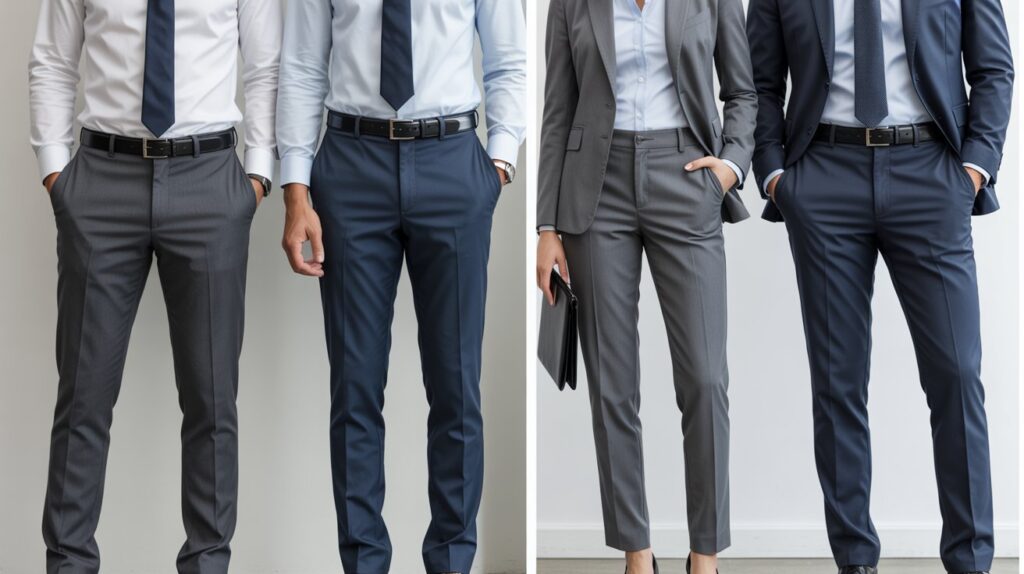
Understanding the difference between dress pants vs suit pants is essential for anyone looking to build a versatile and polished wardrobe. While they may appear similar at first glance, these two types of pants serve distinct purposes, differ in fabric, fit, styling, and occasions, and each offers unique advantages.
1. Purpose and Versatility
- Dress Pants: Designed to be worn independently, dress pants are versatile and can be paired with shirts, blouses, blazers, or even smart casual sweaters. They are ideal for business casual offices, semi-formal events, and everyday professional wear.
- Suit Pants: Suit pants are part of a matching suit set and are intended to be worn with the suit jacket. Their primary purpose is to create a coordinated, formal look for weddings, interviews, corporate meetings, and formal events.
2. Fabric and Material
- Dress Pants: Typically made from cotton blends, polyester, wool blends, or stretch fabrics. They are designed for comfort, breathability, and easy movement while maintaining a neat appearance.
- Suit Pants: Usually crafted from higher-end fabrics such as pure wool, wool blends, or premium synthetics to match the jacket. The fabrics are chosen for their drape, structure, and ability to hold creases for a sharp look.
3. Fit and Tailoring
- Dress Pants: Offer a tailored fit but with flexibility. Styles include straight-leg, tapered, or slim-fit, often with flat fronts or pleats. Dress pants prioritize comfort without sacrificing a professional look.
- Suit Pants: Highly structured to align with the suit jacket. They feature a precise cut, a defined crease, and are usually slim or classic fit to maintain a cohesive silhouette. The fit is less forgiving than dress pants when worn without the jacket.
4. Formality Level
- Dress Pants: Suitable for business casual or semi-formal settings. They are less formal than suit pants but still provide a polished and professional appearance.
- Suit Pants: Designed for formal and professional occasions. When paired with a matching jacket, they convey authority, professionalism, and sophistication.
5. Color and Styling Options
- Dress Pants: Available in a wide range of neutral and versatile colors, including black, grey, navy, beige, and sometimes subtle patterns. This makes them easy to mix and match with different tops and jackets.
- Suit Pants: Typically sold as part of a suit, so the color and pattern match the jacket exactly. Common colors are navy, black, grey, and charcoal, often with minimal patterns to maintain a formal look.
6. Price and Investment
- Dress Pants: Generally more affordable and easier to buy as standalone pieces. They are a practical investment for daily professional wear.
- Suit Pants: Usually more expensive because they are part of a coordinated suit set. Investing in quality suit pants ensures durability and a refined appearance for formal occasions.
Summary Table: Dress Pants vs Suit Pants
| Feature | Dress Pants | Suit Pants |
|---|---|---|
| Purpose | Versatile, standalone | Formal, part of a suit |
| Fabric | Cotton, polyester, wool blends | Wool, wool blends, premium fabrics |
| Fit | Flexible, comfort-focused | Structured, matches jacket |
| Formality | Semi-formal, business casual | Formal, professional |
| Style Versatility | Variety of options for pairing with different outfits | Designed to match exclusively with the suit jacket |
| Typical Colors | Black, grey, navy, beige | Black, grey, navy, charcoal |
| Price | Moderate | Higher, part of suit set |
Understanding these key differences helps you make smarter wardrobe choices. While dress pants are perfect for versatility and daily wear, suit pants provide the formal, polished look needed for important occasions. Knowing when and how to wear each ensures that your style remains professional, modern, and appropriate for any setting.
When to Wear Dress Pants in the US
Dress pants are a versatile wardrobe essential, and knowing when to wear dress pants can help you maintain a professional and polished appearance in a variety of settings across the US. Unlike suit pants, dress pants are designed to be worn independently, giving you flexibility while ensuring a neat and stylish look.
1. Office and Professional Settings
In most US workplaces, dress pants are a staple for business casual or semi-formal attire. They are ideal for:
- Daily office wear
- Team meetings and presentations
- Client visits or professional networking events
Pairing dress pants with a dress shirt, blouse, or blazer provides a professional appearance without the need for a full suit. The neutral colors of dress pants, such as black, grey, or navy, make them suitable for virtually any office environment.
2. Interviews and Career Events
When attending job interviews or career fairs in the US, wearing dress pants creates a polished and professional impression. They convey confidence and attention to detail while remaining flexible enough to pair with various shirts, blouses, or even a smart sweater for a slightly less formal look.
3. Semi-Formal Events
Dress pants are appropriate for semi-formal occasions where a full suit is not required. Examples include:
- Dinner parties
- Church services or religious gatherings
- Graduation ceremonies or school events
In these scenarios, dress pants offer a balance between style and comfort, making it easy to look elegant without being overdressed.
4. Travel and Everyday Wear
One of the advantages of dress pants is their versatility for travel or everyday activities that require a polished appearance. For instance:
- Business trips or conferences
- Traveling for work or meetings
- Day-to-day professional errands
The comfortable fabrics and tailored fit allow for ease of movement while maintaining a sharp, clean look.
5. Styling Tips for Wearing Dress Pants
- Tops: Dress pants pair well with button-down shirts, blouses, knit sweaters, or casual blazers.
- Footwear: Classic dress shoes, loafers, or heels complement the polished appearance.
- Accessories: Belts, watches, and minimal jewelry can elevate the look without overcomplicating it.
By understanding when to wear dress pants in the US, you can create outfits that are stylish, professional, and appropriate for a wide range of settings. Their versatility makes them an essential piece in every wardrobe, providing comfort and elegance without the need for a full suit.
When to Wear Suit Pants in the US
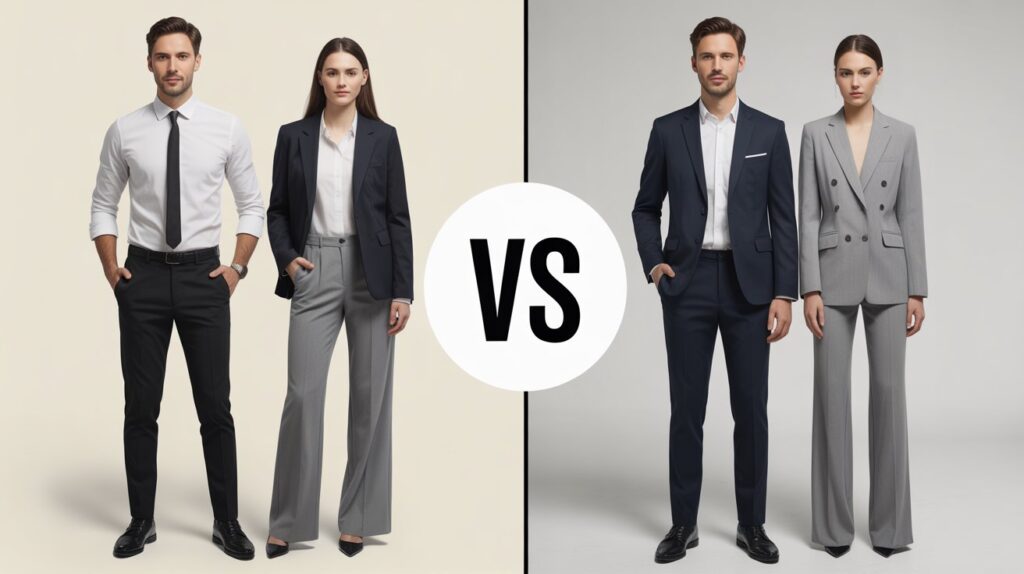
Knowing when to wear suit pants is essential for anyone looking to present a polished and professional appearance in formal or business settings. Unlike dress pants, suit pants are specifically designed to be worn as part of a matching suit set, providing a cohesive, sophisticated look suitable for occasions where style and professionalism are critical.
1. Corporate and Professional Settings
In the US, suit pants are often the go-to choice for highly formal workplaces or industries where traditional business attire is expected. These include:
- Corporate offices
- Law firms
- Financial institutions
- Executive meetings and boardrooms
Wearing suit pants with a matching jacket communicates authority, professionalism, and attention to detail. This pairing is particularly important for positions where first impressions can significantly impact professional credibility.
2. Job Interviews and Career Milestones
Suit pants are ideal for interviews or significant career events, including promotions and award ceremonies. They convey a polished, confident appearance while ensuring you look appropriately dressed for important occasions. Pairing suit pants with a crisp dress shirt, tie (for men), or a tailored blouse (for women) creates a sharp, unified outfit.
3. Formal Events and Social Occasions
Suit pants are appropriate for formal events where coordinated attire is expected. Examples include:
- Weddings and receptions
- Funerals or memorial services
- Gala dinners or formal charity events
- Official ceremonies and graduations
The structured fit and high-quality fabrics of suit pants ensure that you maintain an elegant and refined appearance in settings where dress codes require more than just business casual attire.
4. Styling Tips for Wearing Suit Pants
- Matching Jacket: Always wear suit pants with the corresponding suit jacket to maintain a cohesive look.
- Shirts and Tops: Stick to dress shirts or formal blouses that complement the suit fabric and color.
- Footwear: Classic dress shoes, oxfords, or heels help complete the polished formal look.
- Accessories: Ties, cufflinks, and minimal jewelry enhance professionalism without being overpowering.
5. Key Considerations in the US
- Climate: Wool suit pants are ideal for cooler seasons, while lighter blends are preferred in warmer climates.
- Fit: Tailoring is crucial; suit pants should fit perfectly at the waist, hips, and length to ensure comfort and a sharp appearance.
- Occasion Appropriateness: Avoid wearing suit pants in casual or semi-formal settings, as they may appear overdressed.
By understanding when to wear suit pants in the US, you can confidently choose the right attire for formal and professional settings. Suit pants not only provide a cohesive and polished look but also reflect your attention to detail, making them an essential piece for anyone aiming to look professional and stylish.
Dress Pants vs Suit Pants for Men
When it comes to men’s fashion, understanding the differences between dress pants vs suit pants is essential for creating a professional, stylish, and versatile wardrobe. While both are staples in a man’s closet, their purpose, styling, and occasions for use differ significantly.
1. Purpose and Versatility
- Dress Pants for Men: Designed to be worn independently, dress pants offer flexibility in styling. They are perfect for business casual offices, semi-formal events, and everyday professional wear. Men can pair dress pants with dress shirts, polo shirts, blazers, or even sweaters for a sharp, put-together look.
- Suit Pants for Men: Suit pants are part of a coordinated suit set. They are intended to be worn with the matching jacket to create a formal, polished appearance. While suit pants can sometimes be worn separately, doing so requires careful attention to color and fabric to avoid a mismatched look.
2. Fabric and Comfort
- Dress Pants: Typically made from cotton blends, polyester, or stretch fabrics, dress pants provide comfort and ease of movement. These fabrics make them suitable for long workdays or travel while maintaining a professional appearance.
- Suit Pants: Made from higher-end fabrics like wool or wool blends, suit pants are designed for durability, structure, and a sharp crease that complements the jacket. They are ideal for formal events but may feel less relaxed than dress pants when worn independently.
3. Fit and Tailoring
- Dress Pants: Offer a tailored yet comfortable fit. Men’s dress pants come in straight-leg, tapered, or slim-fit styles, allowing flexibility for casual or semi-formal looks.
- Suit Pants: Require precise tailoring to match the suit jacket. The fit is usually slim or classic, with defined creases to create a clean, professional silhouette. Proper tailoring ensures that the suit looks polished from head to toe.
4. Occasions to Wear
- Dress Pants for Men:
- Daily office wear
- Business casual meetings
- Semi-formal dinners or events
- Travel or commuting for work
- Suit Pants for Men:
- Job interviews
- Corporate meetings and presentations
- Weddings and formal ceremonies
- High-level business events
5. Styling Tips for Men
- Dress Pants: Pair with dress shoes, loafers, or brogues. Belts should match the shoes for a coordinated look. Light-colored dress pants can be paired with darker shirts or blazers for contrast.
- Suit Pants: Always pair with the matching jacket. Combine with a dress shirt, tie, and polished shoes to maintain a formal and cohesive appearance. Accessories like cufflinks and watches can enhance the overall professional look.
Key Takeaway
For men, dress pants offer versatility and comfort for everyday and semi-formal occasions, while suit pants provide a polished, formal look for important meetings and events. Knowing when to choose each ensures that men are always dressed appropriately, stylishly, and confidently.
Dress Pants vs Suit Pants for Women
For women, understanding dress pants vs suit pants is crucial to building a professional, versatile, and stylish wardrobe. While both types of pants are staples in formal and semi-formal attire, their purpose, fit, and styling options differ significantly, allowing women to make the right choice for various occasions.
1. Purpose and Versatility
- Dress Pants for Women: Designed to be worn independently, dress pants offer flexibility and versatility. They can be paired with blouses, dress shirts, blazers, or even smart sweaters, making them suitable for both professional and semi-formal events. Dress pants provide a polished look without the need for a matching jacket, which is ideal for business casual offices or day-to-day professional wear.
- Suit Pants for Women: Suit pants are specifically designed to match a coordinated suit jacket. They create a cohesive, formal outfit that is appropriate for corporate meetings, interviews, and formal events. Wearing suit pants with the matching jacket ensures a professional, polished appearance that reflects attention to detail and sophistication.
2. Fabric and Comfort
- Dress Pants: Typically made from cotton blends, polyester, stretch fabrics, or lightweight wool, dress pants prioritize comfort while maintaining a neat, professional look. Their breathable and flexible fabrics make them suitable for long workdays or professional travel.
- Suit Pants: Made from premium fabrics such as wool, wool blends, or high-quality synthetics, suit pants are designed to hold their shape and maintain crisp creases. While slightly more structured than dress pants, they provide a sleek silhouette when paired with a matching jacket.
3. Fit and Tailoring
- Dress Pants: Offer a comfortable yet tailored fit. Women’s dress pants come in styles like straight-leg, tapered, slim-fit, or wide-leg, giving options for various body types and preferences. They balance style and comfort, making them versatile for different occasions.
- Suit Pants: Typically more structured and fitted to complement the suit jacket. Common styles include slim-fit, straight-leg, or slightly tailored cuts. Suit pants prioritize a uniform, cohesive look that matches the jacket’s design.
4. Occasions to Wear
- Dress Pants for Women:
- Daily office wear or business casual settings
- Semi-formal events like dinners, networking events, or school ceremonies
- Travel for work or professional meetings
- Suit Pants for Women:
- Corporate meetings and important presentations
- Job interviews or career-related events
- Formal occasions such as weddings, graduations, or ceremonies
- High-level professional or executive events
5. Styling Tips for Women
- Dress Pants: Pair with heels, flats, or loafers. Tops can range from dress shirts and blouses to smart sweaters or blazers. Accessories like belts, minimal jewelry, and scarves can enhance the look.
- Suit Pants: Always wear with the matching suit jacket for a polished appearance. Pair with dress shirts or blouses in neutral or complementary colors. Heels or formal flats complete the professional look, while subtle accessories like watches or earrings can add elegance without overpowering the outfit.
Key Takeaway
For women, dress pants are versatile, comfortable, and perfect for semi-formal or business casual settings, while suit pants provide a formal, polished look for important meetings and events. Knowing when and how to wear each ensures women look confident, professional, and stylish in any setting.
Dress Pants vs Suit Pants for Boys and Kids
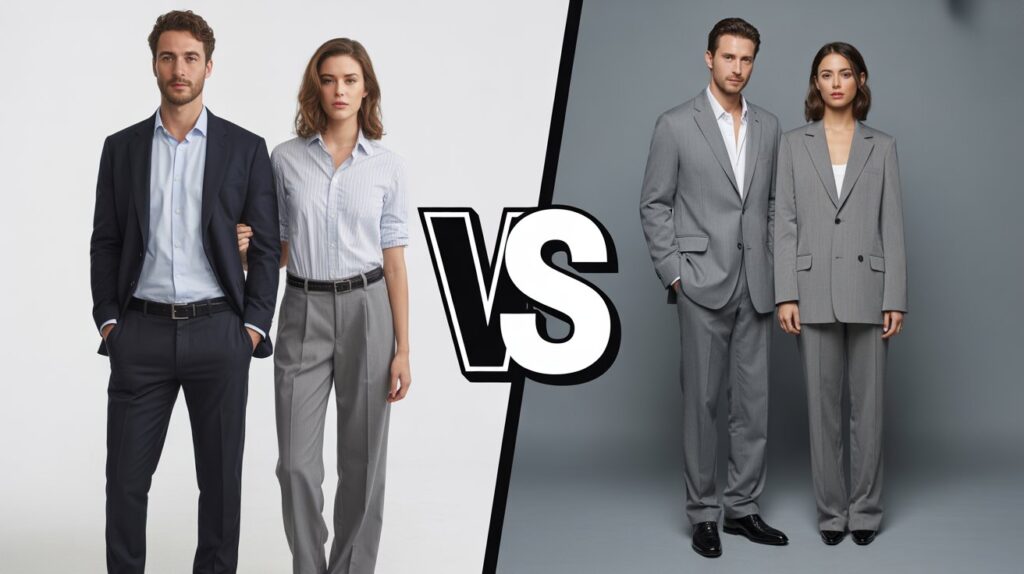
When dressing boys and kids for formal or semi-formal occasions, understanding the difference between dress pants vs suit pants is essential. Choosing the right type of pants ensures children are comfortable, stylish, and appropriately dressed for school events, family gatherings, or formal occasions.
1. Purpose and Versatility
- Dress Pants for Boys and Kids: Dress pants are designed to be worn independently, offering flexibility and comfort. They can be paired with dress shirts, polos, sweaters, or casual blazers. These pants are ideal for school events, family dinners, or semi-formal outings where children need to look presentable without wearing a full suit.
- Suit Pants for Boys and Kids: Suit pants are part of a matching suit set, designed to coordinate perfectly with a suit jacket. They are suitable for weddings, formal ceremonies, holiday events, and other occasions where a polished, uniform look is required. Suit pants give children a more structured and refined appearance, perfect for formal settings.
2. Fabric and Comfort
- Dress Pants: Made from cotton blends, polyester, or lightweight stretch fabrics, dress pants for kids focus on comfort and ease of movement. They allow children to play or move around freely while maintaining a neat and smart appearance.
- Suit Pants: Typically made from wool blends or fine synthetic fabrics, suit pants are designed to hold their shape and provide a structured look. While more formal, they still prioritize comfort with elastic waistbands or adjustable fits for children.
3. Fit and Tailoring
- Dress Pants: Designed for comfort, dress pants usually have a straight-leg or slightly tapered fit. Some styles include adjustable waistbands or elastic elements to accommodate growth and ensure ease of movement.
- Suit Pants: Tailored to match the suit jacket, suit pants for kids are more structured and often come in slim or straight cuts. They provide a polished silhouette while maintaining comfort through careful design adjustments like partial elastic waistbands or adjustable hems.
4. Occasions to Wear
- Dress Pants for Boys and Kids:
- School events or picture day
- Birthday parties or family gatherings
- Semi-formal dinners and outings
- Suit Pants for Boys and Kids:
- Weddings and receptions
- Holiday events or religious ceremonies
- Graduations or formal celebrations
- Special occasions where a matching suit is expected
5. Styling Tips for Boys and Kids
- Dress Pants: Pair with dress shirts, polos, or sweaters. Loafers, formal shoes, or clean sneakers can complement the look depending on the occasion. Belts or suspenders can add style while keeping pants secure.
- Suit Pants: Always wear with the matching jacket for a cohesive appearance. Combine with button-up shirts, coordinating ties, and polished dress shoes. Minimal accessories like a bow tie or a pocket square can enhance the formal look without causing discomfort.
Key Takeaway
For boys and kids, dress pants provide comfort and versatility for everyday formal or semi-formal settings, while suit pants offer a polished and structured look for weddings, ceremonies, and other formal occasions. Choosing the right type ensures children look stylish, age-appropriately dressed, and feel comfortable throughout the day.
Which Is Better for Work in the US?
When deciding between dress pants vs suit pants for work in the US, it’s important to consider factors such as workplace dress codes, comfort, versatility, and the level of formality required. Both types of pants have their advantages, but choosing the right one ensures you look professional while staying comfortable throughout the day.
1. Workplace Dress Codes
- Business Casual Offices: In most US offices with a business casual dress code, dress pants are the better choice. They can be paired with dress shirts, blouses, or blazers, providing a professional look without the formality of a full suit. Dress pants allow for more flexibility, making them ideal for daily office wear.
- Formal or Corporate Settings: For workplaces that require traditional business attire, such as law firms, financial institutions, or executive offices, suit pants are preferred. Paired with a matching suit jacket, they create a polished, professional appearance that aligns with formal corporate standards.
2. Comfort and Practicality
- Dress Pants: Offer more comfort for long workdays or when moving between meetings, especially if you need to sit or commute frequently. Stretch fabrics and looser cuts make them practical for everyday office tasks while maintaining a professional appearance.
- Suit Pants: While more structured and formal, suit pants can be less flexible if worn alone. They are best for days with important meetings, presentations, or events where a coordinated suit is expected.
3. Versatility
- Dress Pants: Extremely versatile and can be mixed and matched with different shirts, blouses, and jackets. This makes them a cost-effective choice for professionals who want to maintain a polished look without investing in multiple suits.
- Suit Pants: Less versatile when worn alone because they are designed to match the suit jacket. However, they are essential for occasions that require a coordinated formal outfit.
4. Styling Tips for Work
- Dress Pants: Pair with smart shoes or loafers, a crisp shirt or blouse, and optional blazer. Light colors like beige or grey can be paired with darker tops for contrast, while black or navy pants provide a classic, professional look.
- Suit Pants: Always wear with the matching jacket for maximum professional impact. Combine with dress shoes, a dress shirt, and optional tie (for men) or scarf (for women) to maintain a cohesive, polished appearance.
Key Takeaway
For most US workplaces, dress pants are the more practical and versatile choice for daily wear, offering comfort, flexibility, and a professional appearance. Suit pants are better reserved for formal offices, important meetings, or corporate events where a full coordinated suit is expected. Understanding your workplace environment and the level of formality required will help you decide which type of pants is best for work.
Can You Wear Suit Pants as Dress Pants?
Many people wonder whether suit pants can be worn as dress pants, and the answer is yes—but with some important considerations. Understanding the differences in fabric, fit, and styling can help you use suit pants effectively as standalone pieces without compromising your professional appearance.
1. When It Works
- Suit pants can sometimes be worn as dress pants for semi-formal or business casual settings, especially if they are made from neutral fabrics like navy, black, or grey.
- They are a good option for occasions where a polished look is required but a full suit jacket is not necessary, such as:
- Office environments with flexible dress codes
- Work lunches or networking events
- Evening semi-formal gatherings
2. Key Considerations
- Fabric and Texture: Suit pants are often made from higher-end fabrics like wool or wool blends. These materials usually have a finer texture and sharper creases than typical dress pants. While this adds elegance, wearing them casually may look slightly formal if paired incorrectly.
- Color and Pattern: Stick to classic, neutral colors for maximum versatility. Bold patterns or pinstripes designed to match a suit jacket may stand out when worn alone, making it harder to pair with other tops.
- Fit and Tailoring: Suit pants are tailored to match a jacket, so ensure the fit is appropriate when worn without it. Slim or straight-leg cuts usually work best as dress pants substitutes.
3. Styling Tips for Wearing Suit Pants as Dress Pants
- Pair with a Separate Top: Wear with a dress shirt, blouse, or semi-formal sweater instead of the matching jacket. This balances the formal look of the suit pants while keeping the outfit flexible.
- Footwear: Loafers, polished dress shoes, or heels can complement the pants without making the outfit look overdressed.
- Accessories: Use minimal accessories like a belt or a watch to complete the professional look without relying on the suit jacket.
- Occasion Awareness: Avoid wearing suit pants as casual wear; they work best in professional or semi-formal settings.
4. Pros and Cons
- Pros:
- Allows you to get more use out of a suit set
- Provides a sharp, polished look for semi-formal occasions
- Can be paired with multiple tops for versatility
- Cons:
- May look too formal for casual offices or events
- Matching the pants with the wrong top or shoes can make the outfit appear mismatched
- Fabric care may be more delicate than standard dress pants
Key Takeaway
You can wear suit pants as dress pants, but success depends on the occasion, color, fit, and how you style them. When done correctly, suit pants provide a polished, professional look and offer flexibility for semi-formal and business casual settings. Understanding these nuances ensures you make the most of your wardrobe while maintaining style and professionalism.
How to Choose Between Dress Pants and Suit Pants
Deciding between dress pants vs suit pants can be tricky, especially when building a versatile wardrobe for work, formal events, or semi-formal occasions in the US. Making the right choice depends on your needs, comfort, styling preferences, and the level of formality required.
1. Consider the Occasion
- Formal Events: For weddings, corporate meetings, interviews, or any high-level professional setting, suit pants are usually the better choice. Paired with the matching jacket, they provide a polished and cohesive appearance.
- Semi-Formal or Business Casual: For daily office wear, business lunches, or professional gatherings where full suits are not necessary, dress pants are more versatile. They allow you to pair them with different tops and still maintain a neat and professional look.
2. Evaluate Comfort and Fit
- Dress Pants: Offer more flexibility and comfort for long workdays, commuting, or occasions where you need ease of movement. Stretch fabrics or looser cuts make dress pants practical for everyday use.
- Suit Pants: While providing a sharp silhouette, suit pants are more structured and may feel less relaxed when worn independently. Consider the duration of wear and level of activity before choosing suit pants for work or events.
3. Check Your Wardrobe Versatility
- Dress Pants: Ideal for mixing and matching with different shirts, blouses, and blazers. They are a cost-effective choice for professionals who want multiple outfit options without buying numerous suits.
- Suit Pants: Best for those who regularly attend formal events or work in industries that require traditional business attire. They are less versatile alone but essential for maintaining a polished professional image when paired with a jacket.
4. Fabric and Maintenance
- Dress Pants: Made from cotton blends, polyester, or stretch fabrics that are easier to care for. They can often be machine-washed or lightly pressed, making them low-maintenance for everyday use.
- Suit Pants: Typically made from wool or wool blends that require dry cleaning to maintain the fabric quality and creases. Consider how much effort you are willing to spend on maintenance when choosing suit pants for work or frequent use.
5. Budget Considerations
- Dress Pants: Generally more affordable and provide multiple outfit options. Investing in a few high-quality dress pants can cover daily work needs.
- Suit Pants: More expensive due to the quality of fabric and tailoring. Best purchased as part of a complete suit for occasions that demand a formal and coordinated look.
6. Styling Tips for Choosing
- Pair dress pants with versatile tops, smart shoes, and optional blazers to create professional yet flexible outfits.
- Wear suit pants with the matching jacket, formal shoes, and a dress shirt or blouse for a cohesive and polished look.
- Consider your body type and preferred fit; both dress pants and suit pants come in straight, tapered, or slim cuts for men and women.
Key Takeaway
Choosing between dress pants vs suit pants depends on the occasion, comfort, versatility, and professional needs. Dress pants are ideal for everyday work, semi-formal events, and mix-and-match styling, while suit pants are essential for formal occasions, corporate meetings, and settings that require a coordinated suit. Understanding these factors ensures you make the right choice for your wardrobe while looking professional, stylish, and confident.
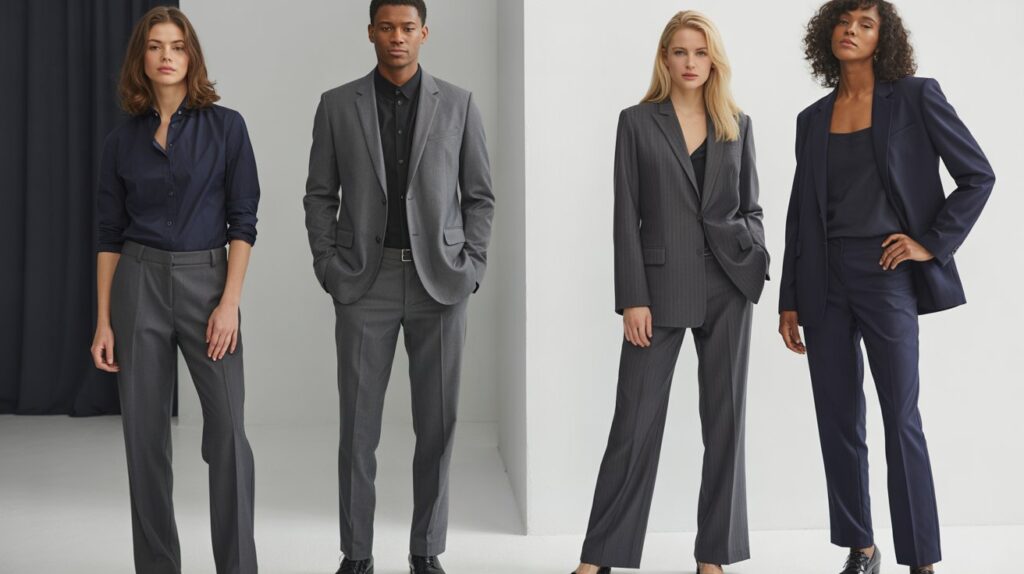
Price Comparison in the US
When building a professional wardrobe, understanding the price comparison between dress pants vs suit pants is essential. The cost can vary significantly based on fabric quality, brand, tailoring, and whether you’re purchasing them individually or as part of a suit set. Knowing what to expect helps you make smart choices while staying within your budget.
1. Average Price of Dress Pants in the US
- Retail Range: On average, standalone dress pants for men or women in the US range from $40 to $120 depending on the fabric and brand.
- Premium Options: High-quality or designer dress pants can cost anywhere from $150 to $300, especially when made from fine wool blends or tailored fits.
- Budget-Friendly Options: Many department stores and online retailers offer affordable dress pants between $30 to $50, made from cotton blends or polyester fabrics.
Dress pants are often more cost-effective because they are sold as single pieces and do not require a matching jacket. Their versatility allows them to be mixed and matched with multiple tops, making them a practical investment for everyday wear.
2. Average Price of Suit Pants in the US
- As Part of a Suit Set: Suit pants are usually sold with the matching jacket. A standard off-the-rack suit set in the US ranges from $200 to $600 for mid-range brands.
- High-End and Designer Suits: Premium suits, including their pants, can cost $800 to $2,000 or more, depending on the brand, fabric, and tailoring quality.
- Tailored or Custom Suit Pants: Custom-tailored suit pants alone can cost $150 to $400, reflecting the precision tailoring and premium fabrics.
Suit pants tend to be more expensive because they are designed to match the jacket perfectly, use higher-quality fabrics, and often require professional tailoring for an ideal fit.
3. Factors Affecting Price
- Fabric Type: Wool and wool blends are more expensive than polyester or cotton blends. Stretch fabrics in dress pants may slightly increase the cost but offer more comfort.
- Tailoring and Fit: Custom or tailored pants—whether dress pants or suit pants—will cost more than off-the-rack options.
- Brand and Retailer: Designer brands or high-end department stores typically charge higher prices for both dress pants and suit pants.
- Additional Features: Details like pleats, lining, and reinforced stitching can also affect the price.
4. Cost vs Versatility
- Dress Pants: Offer better value for daily wear and business casual settings. A few pairs of versatile dress pants can cover multiple occasions without the need for a full suit.
- Suit Pants: Ideal for formal events, interviews, and corporate settings. Although more expensive, they provide a polished and cohesive look when paired with a matching jacket.
Key Takeaway
In the US, dress pants are generally more affordable and versatile, making them ideal for everyday work and semi-formal occasions. Suit pants, on the other hand, are more expensive due to higher-quality fabrics, matching jacket requirements, and tailoring. Understanding these price differences helps you make informed choices and balance style, function, and budget when building your professional wardrobe.
Conclusion
Understanding dress pants vs suit pants helps you choose the right pants for every occasion. Dress pants are versatile, comfortable, and ideal for everyday work or semi-formal events. Suit pants, on the other hand, are part of a matching suit set, offering a polished and professional look for formal events, interviews, or corporate meetings.
Key Takeaway: Choose dress pants for flexibility and daily wear, and suit pants for formality and sophistication. Knowing the difference ensures you always look stylish and appropriate.
FAQs
Are dress pants and suit pants the same thing?
No. While dress pants and suit pants may look similar, dress pants are designed to be worn independently for business casual or semi-formal occasions, whereas suit pants are part of a matching suit set and intended for formal or professional events.
Can suit pants be worn without the jacket?
Yes, suit pants can be worn on their own in semi-formal or business casual settings, but it’s important to pair them with a coordinating top and shoes to avoid looking mismatched. Suit pants are typically more structured than dress pants, so styling them correctly is key.
Which is more versatile for work: dress pants or suit pants?
Dress pants are generally more versatile for everyday work in the US. They can be paired with a variety of shirts, blouses, and blazers, making them ideal for business casual and semi-formal settings. Suit pants are better suited for formal workplaces or important meetings.
How do I know which pants are appropriate for a formal event?
For formal events like weddings, corporate meetings, or interviews, suit pants are the best choice because they are part of a matching suit set that provides a polished, cohesive look. Dress pants work well for less formal occasions or semi-formal gatherings.
Are dress pants cheaper than suit pants in the US?
Yes. Dress pants are typically more affordable because they are sold individually and don’t require a matching jacket. Suit pants, especially as part of a suit set, tend to be more expensive due to premium fabrics, tailored fits, and coordinated styling.