
1. Introduction
When shopping for trousers, understanding the differences in fit is essential, and a tapered pants vs straight leg pants size chart can make all the difference. Many US shoppers struggle to choose between these two popular styles, often unsure which fit will flatter their body type or provide the most comfort.
In this guide, we’ll break down the key features of tapered and straight leg pants, explain how to measure yourself correctly, and show you how to use a size chart to find the perfect fit. Whether you’re looking for a modern, tailored look or a classic, relaxed style, this guide will help you make an informed choice that feels and looks great.
Table of Contents
2. What Are Tapered Pants?
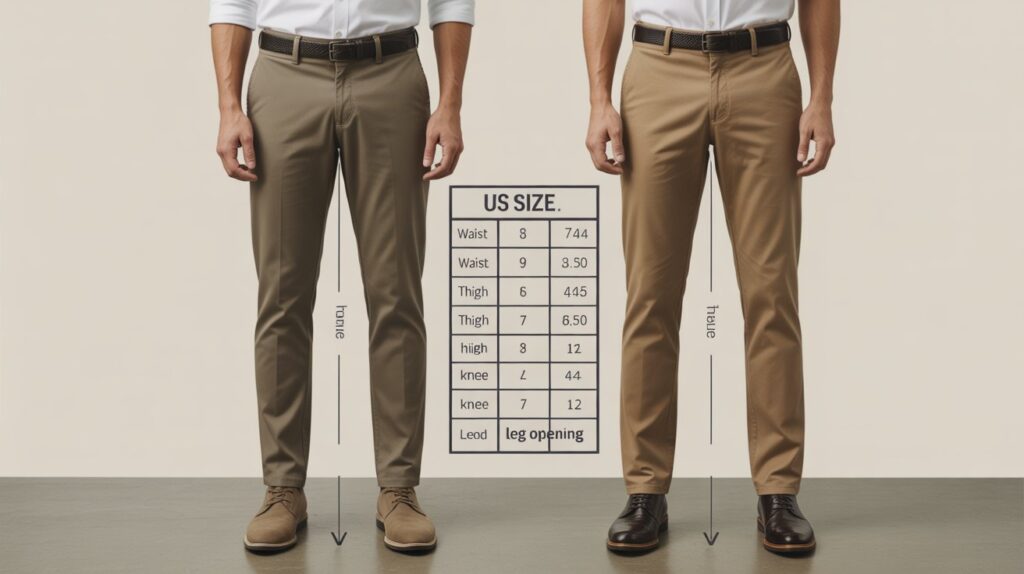
Tapered pants are a style of trousers that gradually narrow from the thigh down to the ankle, creating a clean and modern silhouette. Unlike straight leg pants, which maintain the same width from hip to hem, tapered pants are designed to follow the natural shape of the leg more closely. This tailored structure is one of the main reasons they are often compared in discussions around the tapered pants vs straight leg pants size chart.
In terms of fit, tapered pants usually offer more room around the waist and thighs while becoming slimmer below the knee. This balance makes them comfortable to wear while still looking sharp and polished. In the US market, tapered pants are commonly found in chinos, dress pants, and casual trousers, making them suitable for both professional and everyday wear.
From a sizing perspective, tapered pants often have a narrower leg opening and knee measurement compared to straight leg styles. When reviewing a tapered pants vs straight leg pants size chart, you’ll typically notice that tapered pants show reduced measurements from the knee to the hem, even when the waist and inseam sizes are the same. This is an important detail for US shoppers who want a fitted look without sacrificing comfort.
Tapered pants are especially popular among people who prefer a modern or slim appearance. They work well for men with athletic or average builds and pair easily with sneakers, loafers, or dress shoes. However, choosing the correct size is essential, as a fit that is too tight can restrict movement. That’s why understanding how tapered pants are measured—and how they differ from straight leg options in a size chart—helps ensure the best possible fit.
Overall, tapered pants combine style and function. They offer a refined look, better leg definition, and a contemporary fit that appeals to many US consumers, especially when chosen using an accurate size chart comparison.
3. What Are Straight Leg Pants?
Straight leg pants are trousers designed with a consistent width from the hip down to the hem. Unlike tapered styles, these pants do not narrow at the ankle, which results in a classic and balanced silhouette. Because of their uniform shape, straight leg pants are often used as a reference point in a tapered pants vs straight leg pants size chart, especially for US shoppers who value comfort and traditional fit.
In terms of fit, straight leg pants provide even space through the thighs, knees, and lower legs. This makes them a popular choice for everyday wear, work environments, and formal occasions in the US. They are commonly found in jeans, dress pants, khakis, and work trousers, offering versatility across different lifestyles and age groups.
When looking at a tapered pants vs straight leg pants size chart, straight leg pants usually show wider knee and leg opening measurements compared to tapered pants, while the waist and inseam often remain the same. This wider cut allows for better airflow and unrestricted movement, making straight leg pants a practical option for people who prioritize comfort or spend long hours wearing pants.
Straight leg pants work well for a wide range of body types, including larger builds and those who prefer a relaxed or traditional look. They match effortlessly with boots, formal shoes, and everyday footwear while maintaining a balanced fit that’s neither snug nor baggy. For US consumers, straight leg pants are often considered a reliable choice because their sizing tends to feel more consistent across brands.
Overall, straight leg pants are known for their timeless appeal and easy fit. By understanding how they differ from tapered styles—especially when comparing measurements in a size chart—shoppers can make a more informed decision and choose the style that best suits their body type and comfort needs.
4. Key Fit Differences: Tapered Pants vs Straight Leg Pants
Understanding the fit differences between tapered pants and straight leg pants is essential when choosing the right style, especially when reviewing a tapered pants vs straight leg pants size chart. While both options may share the same waist and inseam measurements, their overall shape and feel can be very different.
Leg Shape and Silhouette
The most noticeable difference lies in the leg structure. Tapered pants gradually narrow from the thigh to the ankle, creating a sharper and more modern appearance. Straight leg pants, on the other hand, maintain a uniform width from the hip down to the hem, resulting in a classic and relaxed silhouette.
Comfort and Movement
Tapered pants are usually roomier in the upper leg and slimmer below the knee. This design offers a tailored look but may feel restrictive for some wearers, particularly around the calves. Straight leg pants provide consistent space throughout the leg, which often allows for easier movement and all-day comfort. These differences are clearly reflected in a tapered pants vs straight leg pants size chart, especially in the knee and leg opening measurements.
Fit Through the Thigh and Knee
In size charts, tapered pants typically show wider thigh measurements with a noticeable reduction at the knee and hem. Straight leg pants generally have similar measurements at the thigh, knee, and ankle, making them feel more balanced. This distinction is important for US shoppers with athletic or larger legs.
Overall Look and Styling
Tapered pants deliver a more contemporary and streamlined look, often preferred for smart-casual or modern office wear. Straight leg pants offer a timeless style that works well for professional settings and casual outfits alike. Comparing both styles side by side in a tapered pants vs straight leg pants size chart helps clarify how these visual differences translate into real measurements.
5. Tapered Pants vs Straight Leg Pants Size Chart (US)
A clear understanding of measurements is crucial when comparing fits, and that’s where a tapered pants vs straight leg pants size chart (US) becomes especially helpful. While both styles may share the same waist size, their leg measurements differ significantly, which affects comfort, appearance, and overall fit.
In the US, pants sizing is primarily based on waist (in inches) and inseam length, but additional measurements—such as thigh, knee, and leg opening—play a major role in distinguishing tapered pants from straight leg pants.
US Size Chart Comparison (Typical Measurements)
| Measurement Area | Tapered Pants (US) | Straight Leg Pants (US) |
|---|---|---|
| Waist | Same as labeled size | Same as labeled size |
| Hip | Slightly fitted | More relaxed |
| Thigh | Roomier | Even width |
| Knee | Narrower | Similar to thigh |
| Leg Opening | Slimmer | Straight and wider |
| Inseam | Short / Regular / Long | Short / Regular / Long |
How to Read This Size Chart
When reviewing a tapered pants vs straight leg pants size chart, you’ll notice that the waist and inseam measurements are usually identical for both styles. The real difference appears from the thigh downward. Tapered pants gradually reduce in width from the knee to the ankle, while straight leg pants keep the same measurement throughout the leg.
For example, a US size 34W x 32L may fit the waist the same in both styles, but the tapered version will have a noticeably smaller leg opening. This impacts how the pants sit over shoes and how fitted they feel around the calves.
Why These Differences Matter for US Shoppers
US brands often follow standard waist and inseam sizing, but leg shape varies by fit type. Tapered pants are ideal for those who want a sharper, modern look, while straight leg pants suit buyers who prefer a traditional or relaxed fit. Comparing measurements side by side in a tapered pants vs straight leg pants size chart (US) helps prevent sizing mistakes and reduces the need for alterations.
6. How to Measure Yourself Correctly (US Sizing Guide)
Getting accurate measurements is the key to choosing the right fit, especially when comparing styles using a tapered pants vs straight leg pants size chart. US sizing mainly relies on inches, and measuring yourself correctly at home can help you avoid ordering pants that feel too tight or too loose.
Below is a simple step-by-step US sizing guide to ensure precise results.
1. Waist Measurement
Wrap a measuring tape around your natural waist, usually located just above the hips. Wrap the measuring tape securely around your waist without squeezing, ensuring it remains even all the way around. Record the measurement in inches. This number corresponds directly to the waist size listed in US pants size charts.
2. Hip Measurement
Take the measurement around the widest section of your hips and rear for an accurate fit. This measurement is important because it affects how the pants sit and feel, especially in tapered styles that are more fitted through the upper leg. In a tapered pants vs straight leg pants size chart, hip measurements often explain why one fit feels tighter than the other.
3. Thigh Measurement
Measure around the widest part of your thigh, just below the crotch. This step is crucial when choosing between tapered and straight leg pants. Tapered pants allow room in the thigh but narrow quickly, while straight leg pants maintain a more even width.
4. Inseam Measurement
For US sizing, inseam length is a major factor. Measure from the inside of your crotch straight down to the ankle’s end.. US brands typically offer short, regular, and long inseam options, so matching this measurement ensures the correct pant length.
5. Knee and Leg Opening Measurement
Measure around your knee and then around the hem opening of a pair of pants that fits you well. These measurements are especially useful when comparing options in a tapered pants vs straight leg pants size chart, as they clearly show how much the leg narrows toward the ankle.
Tips for Accurate Measuring
- Use a flexible measuring tape
- Stand naturally and avoid pulling the tape too tight
- Measure over lightweight clothing
- Double-check measurements for accuracy
By following this US sizing guide, you’ll have reliable measurements to compare against any tapered pants vs straight leg pants size chart. This ensures a better fit, greater comfort, and fewer sizing issues when shopping online or in-store.
7. Which Fit Is Better for Your Body Type?
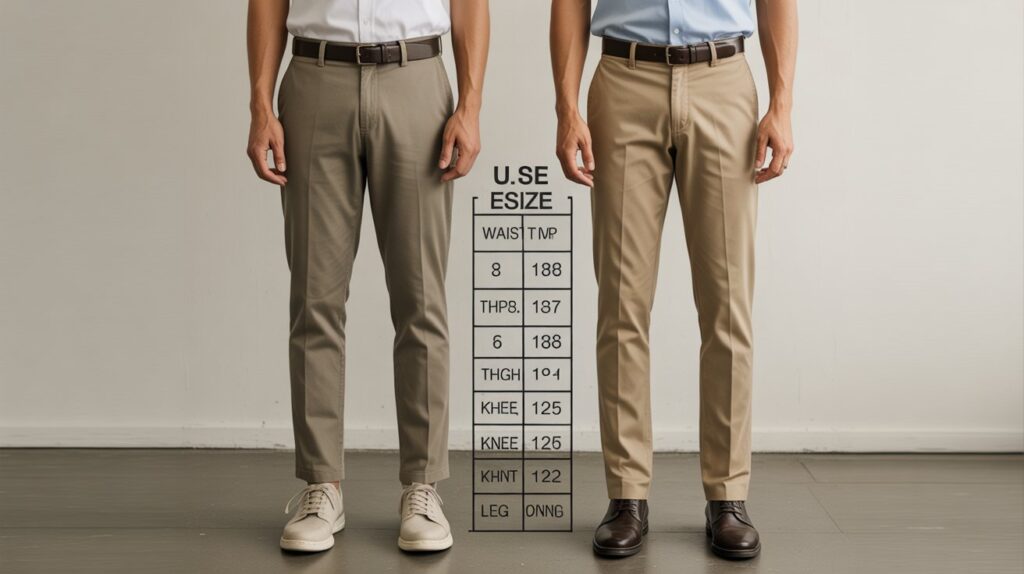
Choosing between tapered pants and straight leg pants often comes down to body type, comfort, and personal style. Using a tapered pants vs straight leg pants size chart can help you understand how each fit will complement your shape and provide the best overall look. Here’s a detailed guide for different body types:
1. Slim or Lean Body Types
If you have a slimmer frame, tapered pants are often the best choice. Their narrowing silhouette creates a more defined shape and adds structure to your legs without looking baggy. Straight leg pants can also work but may appear looser and less tailored, especially if you prefer a modern, fitted look.
2. Athletic or Muscular Builds
For men or women with muscular thighs and calves, straight leg pants tend to provide more comfort because of their even width from hip to hem. Tapered pants can still work, but it’s important to check thigh and knee measurements in a tapered pants vs straight leg pants size chart to avoid a fit that feels restrictive.
3. Larger or Big & Tall Body Types
For larger builds, straight leg pants are generally more flattering. The consistent width helps balance proportions and allows for ease of movement. Tapered pants can look sharp, but choosing a size that accommodates the thigh and knee area is essential to prevent tightness.
4. Preference for Modern or Classic Styles
- Tapered Pants: Ideal if you want a contemporary, slim, and stylish appearance. They pair well with modern footwear and smart-casual outfits.
- Straight Leg Pants: Best if you prefer a classic, relaxed, or professional look. They offer versatility for both casual and formal occasions.
5. Comfort vs Appearance
While tapered pants focus on a sleek appearance, straight leg pants prioritize comfort. Reviewing the tapered pants vs straight leg pants size chart allows you to see which measurements—waist, thigh, knee, and leg opening—fit your body type best, ensuring both style and comfort.
In conclusion, the “better” fit depends on your body shape and style preference. Slim or lean builds may benefit from tapered pants, athletic or larger frames often find straight leg pants more comfortable, and all body types should reference the size chart for precise measurements. This approach ensures you make an informed choice that looks great and feels right.
8. Tapered vs Straight Leg Pants: Which Should You Choose?
Deciding between tapered pants and straight leg pants can be challenging, but understanding their differences, especially through a tapered pants vs straight leg pants size chart, can make the choice much easier. Your decision should depend on factors like body type, lifestyle, and the occasions you plan to wear them for.
1. Lifestyle and Occasion
- Tapered Pants: These are ideal for modern, fashion-forward outfits. They work well for smart-casual events, office wear, and social outings where a sleek, fitted look is desired. Their narrower leg opening pairs perfectly with sneakers, loafers, or dress shoes for a polished appearance.
- Straight Leg Pants: Best suited for traditional, versatile outfits. They are comfortable for long days at work, casual errands, or formal events. The consistent width of straight leg pants allows them to pair easily with boots, formal shoes, or casual footwear without looking too tight or too loose.
2. Comfort Considerations
Tapered pants offer a tailored, stylish silhouette but may feel slightly restrictive in the calves or knees if the size is too small. Straight leg pants provide consistent space throughout the leg, making them ideal for people who prioritize comfort and mobility. Checking a tapered pants vs straight leg pants size chart ensures that whichever style you choose, the fit is precise and comfortable.
3. Body Type and Fit
Your body shape plays a significant role in which style suits you best:
- Slim or lean builds often look sharper in tapered pants.
- Athletic or muscular builds may find straight leg pants more comfortable.
- Individuals with larger or tall builds usually find straight leg pants offer a more proportionate appearance, though tapered pants can fit well if carefully sized.
4. Seasonal and Footwear Compatibility
Tapered pants tend to highlight footwear, making them ideal for showcasing stylish shoes during any season. Straight leg pants are versatile across seasons, providing enough room for layering in winter or maintaining a relaxed fit in summer.
Ultimately, the choice between tapered pants and straight leg pants comes down to your personal style, comfort needs, and body type. Using a tapered pants vs straight leg pants size chart is the most reliable way to ensure a perfect fit. Tapered pants are great for a modern, tailored look, while straight leg pants provide timeless style and all-day comfort. Knowing your measurements and comparing them across both styles guarantees that you choose pants that not only fit well but also complement your lifestyle and wardrobe.
9. Common Sizing Mistakes US Shoppers Make
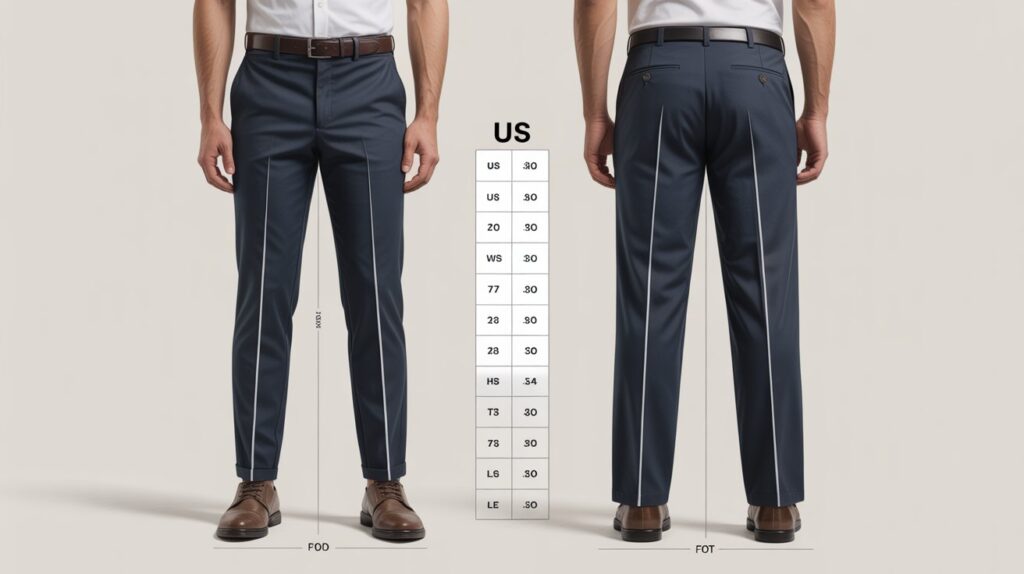
When choosing between tapered pants and straight leg pants, many US shoppers make sizing mistakes that lead to poor fit and discomfort. Understanding these pitfalls can help you make smarter choices, especially when using a tapered pants vs straight leg pants size chart. Below are the frequent mistakes shoppers make and tips for steering clear of them:
1. Confusing Waist and Inseam Sizes
A frequent mistake is assuming the waist and inseam alone determine fit. While these measurements are important, the thigh, knee, and leg opening also play a crucial role, particularly for tapered pants. Relying only on waist and inseam can result in pants that feel tight in the calves or too loose around the thighs.
2. Ignoring Leg Shape Differences
Many shoppers overlook the fact that tapered and straight leg pants have different leg shapes. Tapered pants narrow toward the ankle, while straight leg pants remain uniform. Checking a tapered pants vs straight leg pants size chart ensures you understand how the leg measurements differ and avoid surprises.
3. Assuming All US Brands Size the Same
US sizing is not universal across brands. A size 34W x 32L in one brand may feel different in another. Without comparing measurements using a size chart, shoppers risk buying pants that do not fit correctly.
4. Choosing Trends Over Comfort
Some shoppers pick tapered pants for style without considering comfort, especially if they have muscular or larger legs. A proper comparison using a tapered pants vs straight leg pants size chart helps balance style and comfort.
5. Skipping Measurement Checks
Failing to measure yourself accurately is a major mistake. Relying on old pants or vague sizing estimates can lead to errors. Using a US sizing guide to measure waist, hips, thighs, knee, and inseam ensures the pants you select match your body type.
Avoiding these common mistakes is essential for finding pants that fit well and look good. By referencing a tapered pants vs straight leg pants size chart, measuring correctly, and considering leg shape and brand variations, US shoppers can confidently choose the right fit for their style, comfort, and body type. Proper preparation eliminates sizing frustration and ensures a polished, comfortable look.
11. Conclusion
Choosing the right pants fit comes down to understanding the key differences between tapered pants and straight leg pants. By consulting a tapered pants vs straight leg pants size chart, US shoppers can make informed decisions that balance comfort, style, and body type.
Tapered pants offer a modern, streamlined look with a narrower leg, ideal for slim or fashion-forward builds. Straight leg pants provide a classic, relaxed fit that works well for a wide range of body types and occasions. Knowing your exact measurements—including waist, hips, thighs, knees, and inseam—ensures that the pants you choose will fit properly and feel comfortable.
Avoid common sizing mistakes by measuring accurately, checking brand variations, and considering both comfort and style. With these steps, you can confidently select the perfect pair, whether you prefer the tailored sharpness of tapered pants or the timeless appeal of straight leg pants.
10. FAQs
What is the main difference between tapered pants and straight leg pants?
The key difference lies in the leg shape. Tapered pants gradually narrow from the thigh to the ankle for a modern, fitted look, while straight leg pants maintain the same width from hip to hem for a classic, relaxed fit.
How do I know which fit is better for my body type?
Slim or lean builds usually look best in tapered pants for a streamlined appearance. Athletic or larger builds often find straight leg pants more comfortable due to their consistent leg width. Consulting a tapered pants vs straight leg pants size chart can help you determine the best fit.
Are US sizes consistent across all brands?
No, US sizing can vary between brands. Two pants with the same waist and inseam may feel different depending on the brand and style. Always compare measurements using a size chart rather than relying solely on labeled sizes.
Why is measuring thigh, knee, and leg opening important?
These measurements determine how the pants will fit below the waist. Tapered pants narrow toward the ankle, so thigh and knee measurements are critical for comfort, while straight leg pants maintain even width, requiring different sizing considerations.
Can straight leg pants be altered to mimic tapered pants?
Yes, a skilled tailor can adjust straight leg pants by narrowing the leg from the knee to the ankle. However, using a tapered pants vs straight leg pants size chart to select the correct fit from the start is more reliable and convenient.