
Introduction
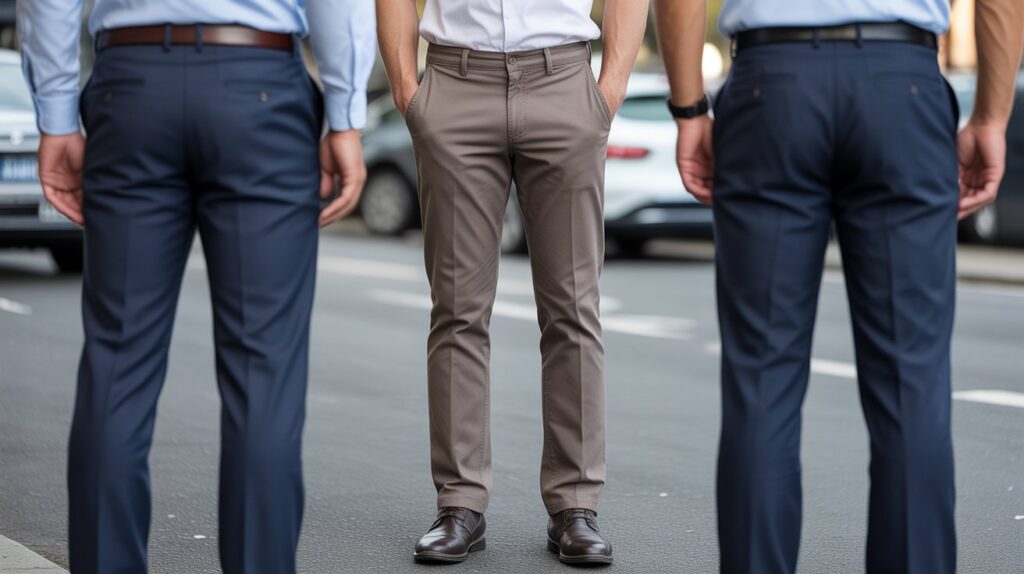
Understanding how should pants sit on the waist is the key to getting a comfortable and well-balanced fit in any type of pants. Whether you wear jeans, dress pants, or casual trousers, the way they sit on your waist affects your comfort, movement, and overall appearance. In this blog post, we’ll explore everything you need to know about achieving the perfect waist fit, from signs of proper fit to common mistakes and expert tips.
Table of Contents
Why Proper Waist Fit Is Important
Knowing how should pants sit on the waist is important because the right waist fit affects your comfort, appearance, movement, and overall confidence. Pants that fit correctly at the waist help your body look balanced while also making everyday activities easier and more comfortable. Whether you wear jeans, dress pants, cargo pants, or casual trousers, the waistband plays a major role in how the pants feel and look throughout the day.
Comfort Throughout the Day
One of the biggest reasons proper waist fit matters is comfort. Pants that are too tight around the waist can create pressure on your stomach and hips, making it uncomfortable to sit, walk, bend, or move freely. Tight waistbands may also leave marks on the skin and cause irritation after wearing the pants for several hours.
On the other hand, pants that are too loose can constantly slide down, forcing you to pull them up throughout the day. This not only feels uncomfortable but can also affect your confidence in public or at work. A proper waist fit should feel secure without squeezing the body. You should be able to move naturally without discomfort or restriction.
Creates a Better Overall Appearance
The way pants sit on your waist can completely change how your outfit looks. Properly fitted pants create cleaner lines and help your body proportions appear more balanced. When pants fit correctly at the waist, the fabric falls naturally around the hips and legs, giving a neat and polished appearance.
If the waist is too tight, the fabric may bunch up or create visible pulling around the stomach and hips. If it is too loose, the pants may sag and look oversized or untidy. Understanding how should pants sit on the waist helps you choose pants that improve your overall style and make your clothing look more tailored and flattering.
Helps Maintain Proper Body Proportions
A correct waist fit also helps maintain natural body proportions. Pants that sit too high or too low can make the torso or legs appear shorter or longer than they really are. Choosing the correct rise and waist position creates a more balanced silhouette for both men and women.
For example, high-waisted pants can help elongate the legs, while mid-rise pants often provide a balanced everyday look. The right waist position depends on your body shape, comfort preference, and the style of pants you wear.
Prevents Common Fit Problems
Many common pant-fitting issues happen because the waist size or waist position is incorrect. These problems include:
- Pants sliding down while walking
- Tight pressure around the stomach
- Gaps at the back of the waistband
- Wrinkles and bunching near the waist
- Constant need for a belt
A proper waist fit reduces these issues and helps the pants stay in place naturally. This improves both comfort and appearance without needing constant adjustments.
Improves Confidence
When pants fit properly at the waist, people usually feel more confident in their appearance. Well-fitted pants allow you to move comfortably and help clothes look more stylish and put together. Instead of worrying about sagging, tightness, or discomfort, you can focus on your daily activities with confidence.
Understanding how should pants sit on the waist can help you make smarter clothing choices and avoid buying pants that look good on the rack but feel uncomfortable after wearing them. A proper waist fit is one of the most important parts of finding pants that truly fit well.
Where Pants Should Sit on the Waist
Understanding how should pants sit on the waist is important for both comfort and style. The correct waist position helps pants stay secure, improves body proportions, and creates a cleaner overall appearance. Pants should sit naturally on the body without feeling too tight, too loose, or uncomfortable during movement.
The ideal waist position depends on the style of pants, body shape, and personal comfort. However, most well-fitted pants are designed to sit at the natural waist, slightly below it, or lower on the hips depending on the rise.
Natural Waist Position
The natural waist is usually the narrowest part of the torso and is located slightly above the belly button. Pants that sit at the natural waist provide a secure and balanced fit because they rest where the body naturally curves inward.
High-waisted pants are designed to sit here. They often provide better support, improve posture, and create a longer leg appearance. Pants sitting at the natural waist should feel firm but comfortable without digging into the skin.
A simple way to find your natural waist is to bend slightly to one side. The crease that forms is usually where your natural waistline sits.
Mid-Rise Pants Position
Mid-rise pants are one of the most popular styles because they offer a balanced and versatile fit. These pants usually sit just below the natural waist and slightly above the hips. They provide comfort for everyday wear while maintaining a modern appearance.
For many people, mid-rise pants are the easiest option because they work well with different body types and clothing styles. They should sit securely around the waist without slipping down during walking or sitting.
If you are unsure about how should pants sit on the waist, mid-rise pants are often a safe and comfortable choice.
Low-Rise Pants Position
Low-rise pants sit lower on the hips, usually several inches below the natural waist. This style creates a more casual and relaxed look, but the fit must still feel secure.
Low-rise pants should not slide down or expose too much when sitting or bending. Because they sit lower on the body, the waistband usually depends more on hip fit than waist fit. The pants should stay in place naturally without needing constant adjustment.
While low-rise styles can feel comfortable for some people, choosing the correct size is especially important to avoid sagging or discomfort.
High-Rise Pants Position
High-waisted pants are designed to rest around the natural waistline or slightly higher on the torso. They are designed to provide more waist coverage and create a defined silhouette. Many people prefer high-rise pants because they help smooth the waist area and offer extra support.
These pants should sit flat against the waist without rolling, folding, or creating pressure around the stomach. A proper high-rise fit allows comfortable movement while maintaining a clean appearance.
High-rise styles are commonly used in jeans, dress pants, trousers, and fashion-focused outfits because they create a polished and flattering shape.
How to Know If Pants Sit Correctly
The best way to check how should pants sit on the waist is by paying attention to comfort and movement. Properly fitted pants should:
- Stay in place without a belt
- Feel secure but not tight
- Allow easy sitting, walking, and bending
- Avoid leaving deep marks on the skin
- Create a smooth appearance around the waist and hips
If the waistband constantly slides down, digs into the stomach, or creates large gaps, the pants may not be sitting correctly on the waist.
Choosing the Right Waist Position
Different waist positions work better for different body shapes and fashion preferences. Some people prefer the support of high-rise pants, while others enjoy the casual feel of low-rise styles. The most important factor is finding pants that feel natural, comfortable, and balanced on your body.
Knowing where pants should sit on the waist can help you choose better-fitting clothing and avoid common sizing mistakes. The right waist position improves comfort, movement, and overall style while helping pants look more flattering and well-fitted.
Signs Your Pants Fit Properly at the Waist
Understanding how should pants sit on the waist becomes much easier when you know the signs of a proper waist fit. Pants that fit correctly around the waist should feel comfortable, stay in place naturally, and create a clean appearance without looking too tight or too loose. A good waist fit improves both comfort and style, making the pants easier to wear throughout the day.
Here are the most important signs that your pants fit properly at the waist.
The Waistband Feels Comfortable but Secure
One of the clearest signs of a proper fit is a waistband that feels secure without causing discomfort. The waistband should rest naturally against your waist without squeezing your stomach or leaving deep marks on the skin.
You should be able to:
- Breathe comfortably
- Sit and bend easily
- Move without feeling restricted
A simple way to test the fit is by placing one or two fingers inside the waistband. If there is enough room for this without excessive looseness, the waist size is usually correct.
Pants Stay Up Without a Belt
Well-fitted pants should remain in place on their own. If you constantly need a belt to keep the pants from sliding down, the waist may be too loose. While belts can improve style and support, they should not be the only reason your pants stay up.
When learning how should pants sit on the waist, remember that properly fitted pants should feel naturally balanced while walking, standing, or sitting.
No Tight Pressure Around the Waist
Pants that are too tight can create pressure around the waist and stomach area. This may lead to discomfort after long hours of wear. Tight waistbands can also cause the fabric to stretch excessively and create pulling lines around the hips or front closure.
Signs your pants are too tight include:
- Difficulty buttoning the waistband
- Skin marks after wearing the pants
- Feeling restricted while sitting
- Fabric pulling near the zipper or pockets
A proper waist fit should allow comfortable movement without creating tension in the fabric.
No Sagging or Sliding Down
If the pants constantly slip lower while walking, the waistband is likely too loose. Sagging pants not only feel uncomfortable but can also affect the overall appearance of your outfit.
Pants that fit correctly at the waist should:
- Stay in position naturally
- Sit evenly around the body
- Not require constant adjustment
This is especially important for jeans, dress pants, and workwear that are worn for long periods.
The Waistband Lies Flat Against the Body
A properly fitted waistband should lie smoothly against your waist without folding, rolling, or creating gaps. If the waistband lifts away from the back of the body, the pants may not match your body shape correctly.
A smooth waistband helps create:
- A cleaner appearance
- Better body proportions
- Improved comfort and movement
This is one of the most noticeable signs when checking how should pants sit on the waist properly.
The Fabric Looks Smooth Around the Waist and Hips
When pants fit correctly, the fabric around the waist and hips should appear smooth and balanced. There should not be excessive wrinkles, bunching, or pulling.
Common signs of poor fit include:
- Horizontal wrinkles from tightness
- Excess fabric bunching near the waistband
- Uneven folds around the hips
Smooth fabric usually means the pants are fitting naturally and supporting the body correctly.
Comfortable Movement Throughout the Day
The best-fitting pants allow you to move freely in different positions. You should be able to walk, sit, bend, and stretch comfortably without adjusting the waistband repeatedly.
A proper waist fit combines:
- Comfort
- Stability
- Flexibility
- Balanced appearance
Understanding these signs can help you choose better-fitting pants and avoid common sizing mistakes. Knowing how should pants sit on the waist makes it easier to find pants that look stylish while still feeling comfortable for everyday wear.
Common Waist Fit Problems and Fixes
Understanding how should pants sit on the waist can help you avoid many common fitting problems. Even stylish pants may feel uncomfortable or look unflattering if the waist fit is wrong. A poor waistband fit can affect comfort, movement, and the overall appearance of the pants. Fortunately, most waist fit problems can be identified easily and fixed with the right adjustments.
Below are some of the most common waist fit issues and practical ways to solve them.
Pants Feel Too Tight at the Waist
One of the most common problems is pants that feel too tight around the waist. Tight waistbands can create pressure on the stomach and hips, making it difficult to sit, bend, or move comfortably. In some cases, the fabric may pull near the zipper or buttons, creating visible tension lines.
Signs of Tight Waist Fit
- Difficulty buttoning the pants
- Waistband leaves marks on the skin
- Pressure while sitting or walking
- Fabric pulling around the waist area
How to Fix It
- Choose pants with a slightly larger waist size
- Try styles with stretch fabric for extra comfort
- Select a different rise that fits your body shape better
- Use tailoring services to adjust the waistband properly
Pants should feel secure without squeezing the body. A proper fit allows easy movement and natural comfort throughout the day.
Pants Keep Sliding Down
If your pants constantly slide down, the waist is likely too loose or the rise may not suit your body shape. Loose pants can feel uncomfortable and require constant adjustment while walking or sitting.
Signs of Loose Waist Fit
- Pants drop lower during movement
- Need to tighten a belt excessively
- Waistband feels unstable
- Excess fabric gathers near the waist
How to Fix It
- Try a smaller waist size
- Choose pants with a better rise for your body type
- Wear structured waistbands that provide more support
- Use a belt for minor looseness, not major sizing issues
When learning how should pants sit on the waist, remember that properly fitted pants should stay in place naturally without frequent pulling or adjustment.
Gap at the Back of the Waistband
A waistband gap happens when the back of the pants pulls away from the body while the rest of the pants fit correctly. This issue is common for people with curvier hips or a smaller waist compared to their hip measurement.
Causes of Waistband Gaps
- Incorrect pant cut for your body shape
- Waist too large compared to hip fit
- Stiff waistband structure
How to Fix It
- Look for curvy-fit or tailored-fit pants
- Choose high-rise styles for better support
- Have the waistband altered by a tailor
- Select flexible fabrics that shape more naturally to the body
A smooth waistband should rest flat against the body without creating large spaces at the back.
Waistband Rolls or Folds
Some waistbands may roll down or fold over while sitting or moving. This usually happens when the waistband is too tight, too soft, or sitting in the wrong position on the body.
Common Reasons
- Waistband is too narrow or weak
- Pants are too tight around the midsection
- Incorrect rise for body shape
How to Fix It
- Choose pants with a stronger waistband structure
- Avoid overly tight waist sizes
- Try a higher or mid-rise fit for better stability
A properly fitted waistband should stay flat and maintain its shape during movement.
Excess Wrinkles Around the Waist
Wrinkles and bunching around the waistband often indicate an improper fit. Tight pants may create horizontal pulling lines, while loose pants can create extra folds and fabric gathering.
How to Fix It
- Select the correct waist size
- Avoid pants that are overly loose or overly tight
- Check the rise and hip fit together
- Try tailored adjustments for a cleaner look
Smooth fabric around the waist usually means the pants fit properly and sit naturally on the body.
Over-Reliance on Belts
Belts are useful accessories, but they should not be used to fix major fitting problems. If you need to tighten a belt excessively just to keep your pants up, the waist size is probably incorrect.
Better Solution
- Find pants that fit properly without heavy belt adjustment
- Use belts for style and light support only
- Focus on accurate waist measurements before buying pants
Choosing the Right Fit Matters
Knowing how should pants sit on the waist helps you avoid discomfort, poor appearance, and constant fit issues. The best-fitting pants should feel secure, stay in place naturally, and allow comfortable movement throughout the day. Paying attention to waist fit can improve both your style and overall comfort while wearing any type of pants.
How to Measure Your Waist for the Perfect Pant Fit
Knowing how should pants sit on the waist starts with taking accurate waist measurements. Even high-quality pants may feel uncomfortable if the waist size is incorrect. Measuring your waist properly helps you choose pants that fit comfortably, stay in place naturally, and look more flattering on your body.
A correct waist measurement can also reduce common fitting problems such as tightness, sagging, waistband gaps, and discomfort during movement.
Why Accurate Waist Measurement Matters
Many people wear the wrong pant size because they rely only on old measurements or guess their waist size while shopping. However, waist measurements can change over time depending on body shape, clothing style, and pant rise.
Accurate waist measurements help you:
- Choose the correct pant size
- Improve overall comfort
- Avoid tight or loose waistbands
- Find pants that match your body shape
- Reduce the need for returns or alterations
Understanding how should pants sit on the waist becomes much easier when you know your exact waist size.
Tools You Need to Measure Your Waist
Measuring your waist is simple and only requires a few basic items.
Recommended Tools
- A flexible measuring tape
- A mirror for better accuracy
- Comfortable lightweight clothing or bare skin
- A notebook or phone to record measurements
A soft measuring tape works best because it can wrap naturally around the body without creating pressure.
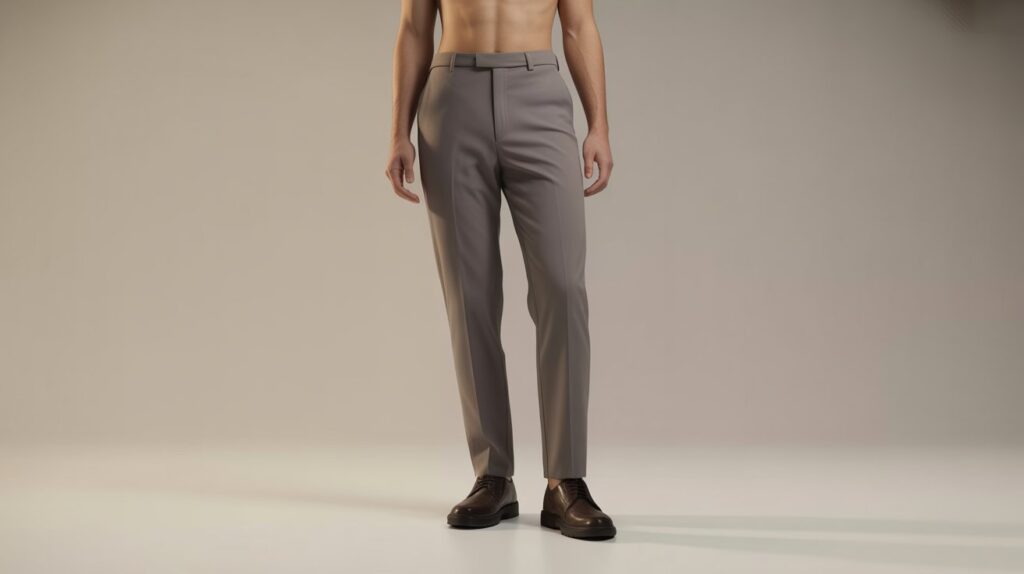
Step-by-Step Guide to Measuring Your Waist
Following the correct measuring process helps ensure accurate results.
Step 1: Find Your Natural Waist
Your natural waist is typically the slimmest section of your upper body. It is often located slightly above the belly button and below the rib cage.
To locate it:
- Stand naturally and relax your body
- Bend slightly to one side
- The point where your body bends naturally often indicates your true waistline.
This area is important because many pants are designed to sit around or near this position.
Step 2: Wrap the Measuring Tape Around Your Waist
Wrap a flexible measuring tape around your natural waist area. Make sure the tape stays level all the way around the body and does not twist.
The tape should:
- Rest comfortably against the skin
- Not dig into the body
- Not hang loosely
For the most accurate result, stand naturally without sucking in your stomach.
Step 3: Read the Measurement
Once the tape is positioned correctly, read the number where the tape overlaps. Note down the measurement in either inches or centimeters based on your choice.
If the measurement falls between sizes, choosing the slightly larger size is often more comfortable, especially for non-stretch pants.
Step 4: Compare with Pant Size Charts
Different brands may use slightly different sizing systems. After measuring your waist, compare your measurement with the brand’s size chart before buying pants.
This helps you:
- Select the correct size more confidently
- Avoid inconsistent sizing issues
- Find better-fitting pants online or in stores
Measuring for Different Pant Rises
Not all pants sit at the same position on the body. This is why rise matters when measuring for the perfect fit.
High-Rise Pants
These sit closer to the natural waist, so measurements should be taken around the upper waist area.
Mid-Rise Pants
These usually sit slightly below the natural waist and are common for casual everyday wear.
Low-Rise Pants
These rest lower on the hips, so measurements may need to be taken slightly below the natural waistline.
Understanding the rise helps you better understand how should pants sit on the waist for different styles and occasions.
Common Waist Measuring Mistakes
Many people make small mistakes while measuring, which can lead to poor pant fit.
Pulling the Tape Too Tight
Tight measurements may result in uncomfortable pants that restrict movement.
Measuring Over Thick Clothing
Bulky clothing can add extra inches and create inaccurate sizing.
Holding Your Breath
Standing unnaturally while measuring may produce incorrect results.
Ignoring Rise Differences
Different pant styles sit at different positions, so the same measurement may not work for every pair.
Avoiding these mistakes helps improve both comfort and accuracy.
Extra Tips for the Perfect Pant Fit
To get the best results:
- Measure yourself more than once
- Recheck measurements every few months
- Consider fabric stretch when choosing size
- Try sitting and walking while testing pants
- Focus on comfort, not just size labels
Pants should feel secure without squeezing the waist or sliding down during movement.
Final Thoughts
Learning how should pants sit on the waist begins with proper waist measurement. Accurate sizing helps you choose pants that fit comfortably, look better, and support natural movement throughout the day. Taking a few minutes to measure your waist correctly can make a big difference in finding the perfect pant fit for any style or occasion.
How Pants Should Sit for Different Body Types
Understanding how should pants sit on the waist is important because every body type has different fitting needs. Pants that fit one person perfectly may feel uncomfortable or look unbalanced on someone else. The right waist position and pant rise can improve comfort, support natural movement, and create a more flattering appearance.
Choosing pants based on your body shape helps prevent common problems like waistband gaps, tight pressure, sagging, or discomfort. Below is a detailed guide on how pants should sit for different body types.
Slim Body Type
People with a slim body shape often have a straighter waist and hip area. For this body type, pants should sit securely without looking overly loose or baggy.
Best Waist Fit for Slim Body Types
- Mid-rise pants usually provide the best balance
- Slim-fit or tapered styles help create a cleaner silhouette
- The waistband should stay secure without needing a tight belt
High-rise pants can also work well because they add more shape and structure to the waist area. However, extremely loose waistbands may create unnecessary gaps or bunching.
When learning how should pants sit on the waist, slim body types should focus on achieving a close but comfortable fit that maintains clean body proportions.
Athletic Body Type
Athletic body shapes often have a broader waist, muscular thighs, and a more defined lower body. Standard pants may feel tight around the thighs while fitting correctly at the waist.
Best Waist Fit for Athletic Builds
- Mid-rise or slightly higher-rise pants provide better support
- Stretch fabrics improve comfort and movement
- Athletic-fit pants offer extra room in the seat and thighs
The waistband should sit naturally on the waist without digging into the body during movement. Pants that are too tight may restrict mobility, especially while sitting or walking.
For athletic body types, the goal is to balance comfort, flexibility, and structure.
Curvy or Plus-Size Body Type
Curvy and plus-size body types often benefit from pants that provide extra support around the waist and hips. A proper waistband fit is important for reducing gaps and improving overall comfort.
Best Waist Fit for Curvy Body Types
- High-rise pants usually offer better support and coverage
- Curvy-fit designs help reduce waistband gaps
- Wide waistbands create a smoother appearance
Pants should sit comfortably without rolling down or creating excessive pressure around the stomach area. Soft stretch fabrics can also improve flexibility and comfort throughout the day.
Understanding how should pants sit on the waist helps curvier body types find pants that stay in place naturally while creating a balanced silhouette.
Tall Body Type
Tall individuals may struggle with pants that sit too low or appear unbalanced due to longer body proportions.
Best Waist Fit for Tall Body Types
- Mid-rise and high-rise pants often create better balance
- Longer rises help maintain proper proportions
- Pants should sit evenly without exposing too much when sitting
Tall body types can usually wear different rises successfully, but the waistband should still feel stable and comfortable during movement.
Short or Petite Body Type
For shorter body types, the way pants sit on the waist can greatly affect overall proportions. The wrong rise may make the legs appear shorter.
Best Waist Fit for Petite Body Types
- High-rise pants can help elongate the legs
- Slim or straight-leg cuts often create a cleaner look
- Avoid overly low-rise pants that shorten body proportions
The waistband should sit neatly without bunching or folding. A proper fit can help create a taller and more balanced appearance.
Body Shape Matters More Than Size Labels
Many people focus only on the size number inside the pants, but body shape is equally important. Two people with the same waist measurement may still need different pant cuts or rises for the best fit.
Factors that affect waist fit include:
- Hip shape
- Torso length
- Waist definition
- Leg proportions
- Fabric stretch
That’s why it’s important to experiment with different rises and styles to find what works best for your body type when understanding how pants should sit on the waist.
Choosing the Right Rise for Your Body
Different rises work better for different shapes and comfort preferences.
High-Rise Pants
- Offer more support and coverage
- Help define the waist
- Often work well for curvy and petite body types
Mid-Rise Pants
- Provide balanced comfort
- Suitable for most body shapes
- Popular for everyday wear
Low-Rise Pants
- Sit lower on the hips
- Create a casual appearance
- May work better for slimmer body shapes
The right rise should feel natural and allow comfortable movement throughout the day.
Final Thoughts
Learning how should pants sit on the waist for different body types helps you choose pants that fit comfortably and look more flattering. Every body shape has unique fitting needs, so focusing on comfort, movement, and proper waistband position is more important than simply following trends or size labels.
The best-fitting pants should stay secure, feel comfortable, and create balanced proportions while allowing you to move confidently in everyday life.
Best Waist Fit Tips for Men and Women
Getting the right waist fit is essential for comfort, style, and confidence. Understanding how should pants sit on the waist helps both men and women choose pants that feel natural, stay in place, and look well-balanced. A proper waist fit prevents discomfort and ensures your outfit looks clean and well put together throughout the day.
Below are practical and easy-to-follow waist fit tips for both men and women.
Choose the Right Rise for Your Body
One of the most important factors in waist fit is the rise of the pants.
- High-rise pants sit closer to the natural waist and provide more support and structure.
- Mid-rise pants offer a balanced fit and are suitable for most body types.
- Low-rise pants rest lower on the hips, creating a laid-back and casual style.
For both men and women, the goal is to choose a rise that feels stable and comfortable without constantly shifting. When learning how should pants sit on the waist, the rise plays a major role in overall comfort and appearance.
Make Sure the Waist Feels Secure but Not Tight
A proper waist fit should feel firm enough to hold the pants in place but soft enough to avoid pressure.
Good signs of correct fit:
- You can move, sit, and bend comfortably
- The waistband does not dig into the skin
- Pants stay up without constant adjustment
If the waistband feels too tight, it can restrict movement. If it feels too loose, the pants may slide down during daily activities.
Pay Attention to Body Shape Differences
Since men and women have different body shapes, their ideal waist fit can also differ.
For Men:
- Straight or athletic cuts work well for broader shoulders and thighs
- Mid-rise pants usually offer the best everyday comfort
- Waist should sit evenly without pulling at the front or back
For Women:
- High-rise pants often provide better waist definition
- Curvy-fit designs help reduce waistband gaps
- Stretch fabrics improve comfort around the waist and hips
Understanding body shape is key when deciding how should pants sit on the waist for a more natural and flattering fit.
Check for Waistband Gaps or Tight Spots
A well-fitted waistband should sit flat against the body without gaps or pressure points.
Watch for:
- Gaps at the back of the waist
- Tight pulling near buttons or zippers
- Uneven fabric bunching around the waist
If any of these issues appear, the size or cut may not be right for your body.
Use a Belt the Right Way
A belt should support your outfit, not fix a poor fit.
- Use a belt for style or light adjustment
- Avoid relying on a belt to hold up overly loose pants
- Make sure pants can stay in place even without a belt
Proper waist fit means the pants already feel secure before adding accessories.
Try Pants While Sitting and Moving
A good waist fit should work in real-life movement, not just while standing.
When trying pants:
- Sit down to check comfort around the waist
- Walk and bend to test stability
- Make sure the waistband does not shift or roll
This helps confirm how should pants sit on the waist in daily use.
Choose Fabrics That Support Comfort
Fabric plays a big role in waist fit.
- Stretch fabrics offer flexibility and comfort
- Stiffer fabrics provide structure but need accurate sizing
- Lightweight materials reduce pressure around the waist
Choosing the right fabric ensures better fit and longer comfort.
Avoid Common Waist Fit Mistakes
Many people struggle with waist fit due to simple mistakes:
- Buying based only on size labels
- Ignoring rise and body shape
- Choosing style over comfort
- Not checking fit while moving
Avoiding these mistakes helps you find pants that fit properly and feel comfortable all day.
Final Thoughts
Understanding how should pants sit on the waist helps both men and women choose pants that fit well, feel comfortable, and look stylish. The best waist fit is one that stays in place naturally, supports movement, and matches your body shape without causing pressure or looseness. Paying attention to rise, fabric, and body type ensures a better and more confident fit every time you wear pants.
Waist Fit Tips for Different Types of Pants
Understanding how should pants sit on the waist is not the same for every style of pants. Jeans, dress pants, cargos, and casual joggers all fit differently because of their fabric, structure, and purpose. Choosing the right waist fit for each type helps improve comfort, movement, and overall appearance.
Below are simple and practical waist fit tips for different types of pants.
Jeans Waist Fit Tips
Jeans are one of the most common types of pants, but they can feel very different depending on the cut and fabric.
For a proper waist fit:
- The waistband should feel firm and secure around the waist without pressing harshly into the skin.
- Jeans should stay in place even without a belt
- There should be no pulling near the zipper or pockets
Because denim is often less stretchy, accurate sizing is very important. A well-fitted pair of jeans should feel secure at the waist while still allowing natural movement when sitting or bending.
Dress Pants Waist Fit Tips
Dress pants require a more structured and polished fit, especially for formal or office wear.
For the best waist fit:
- The waistband should sit smoothly at the natural waist or slightly below
- The pants should fall cleanly without bunching at the top
- A belt may be used for styling, not to hold the pants up
Dress pants that fit properly at the waist create a neat, professional look. When learning how should pants sit on the waist, dress pants should always appear clean and tailored without strain or looseness.
Cargo Pants Waist Fit Tips
Cargo pants are designed for comfort and utility, often featuring extra pockets and a relaxed fit.
For proper waist fit:
- The waistband should sit securely without slipping
- There should be enough room for movement and flexibility
- The fit should not feel overly tight due to added pocket weight
Since cargos are often worn for outdoor or casual use, comfort and stability are more important than a sharp, tailored appearance.
Joggers and Sweatpants Waist Fit Tips
Joggers and sweatpants are made for comfort, so their waist fit is more flexible compared to other pants.
For a good fit:
- Elastic or drawstring waist should feel secure but soft
- The pants should stay in place during walking or light activity
- There should be no excessive tightness around the waist
These pants should feel relaxed while still following the basic idea of how should pants sit on the waist—secure, comfortable, and easy to move in.
Chinos Waist Fit Tips
Chinos offer a balance between casual and formal style, making waist fit very important.
For the best fit:
- The waistband should sit comfortably at mid-rise or natural waist
- The pants should have a clean, smooth front without wrinkles
- A slightly tailored fit improves overall appearance
Chinos should look neat without feeling restrictive, making them ideal for everyday wear or smart-casual outfits.
Stretch Pants Waist Fit Tips
Stretch pants are designed for flexibility, but proper waist fit is still important.
For a good fit:
- The waistband should feel supportive, not overly tight
- Stretch fabric should move with the body without sliding down
- The pants should maintain shape after movement
Even though stretch fabrics offer comfort, correct sizing ensures they do not become too loose over time.
Final Thoughts
Knowing how should pants sit on the waist for different types of pants helps you choose better-fitting clothing for every occasion. Each pant style has its own ideal waist position, but the main goal is always the same: comfort, stability, and a natural fit that moves with your body.
When you match the right waist fit with the right pant style, you get better comfort, improved appearance, and long-lasting confidence in your outfit.
Mistakes People Make When Buying Pants
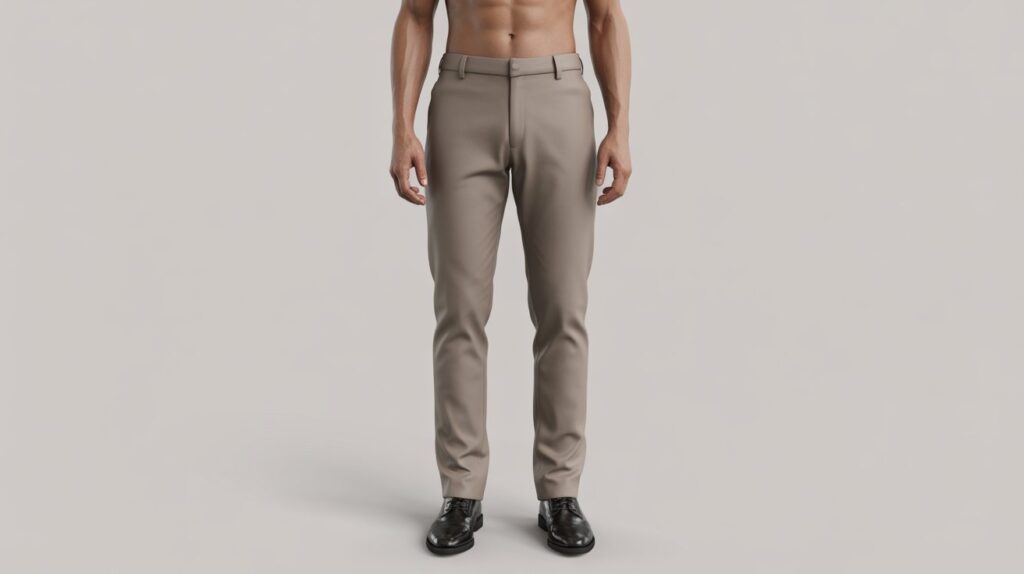
Buying pants may seem simple, but many people end up with poor fit because they overlook key details. Understanding how should pants sit on the waist is essential for avoiding common buying mistakes. The wrong choice can lead to discomfort, poor appearance, and constant adjustments throughout the day.
Below are the most common mistakes people make when buying pants and how to avoid them.
Choosing Style Over Comfort
One of the biggest mistakes is focusing only on style instead of comfort. Many pants may look great on display but feel uncomfortable once worn.
The problem:
- Tight waistbands that restrict movement
- Loose fits that slip down easily
- Poor comfort during sitting or walking
The solution:
Always test comfort first. Pants should feel natural at the waist without pressure or looseness. A good fit supports both style and daily movement.
Ignoring Waist Size and Rise
Many buyers only check waist size and ignore the rise of the pants. However, rise plays a major role in determining how should pants sit on the waist.
The problem:
- Low-rise pants may sit too low and feel unstable
- High-rise pants may feel too tight if not chosen correctly
- Wrong rise can affect body proportions
The solution:
Choose rise based on your body shape and comfort:
- High-rise for support and structure
- Mid-rise for balanced everyday wear
- Low-rise for relaxed, casual style
Buying the Wrong Waist Measurement
Another common mistake is guessing the waist size instead of measuring it properly. Waist sizes can vary between brands and styles.
The problem:
- Pants feel tight or overly loose
- Need for constant belt adjustment
- Poor overall fit and discomfort
The solution:
Always measure your waist before buying and compare it with size charts. This ensures a more accurate and comfortable fit.
Not Trying Pants While Sitting and Moving
Many people only check pants while standing, which is not enough to judge fit.
The problem:
- Pants feel fine standing but tight when sitting
- Waistband shifts during walking
- Discomfort during daily activities
The solution:
Always try pants in real movement:
- Sit down
- Walk around
- Bend slightly
This helps confirm if the pants truly fit the waist properly.
Over-Relying on Belts
Some people buy pants that are too loose and rely on belts to fix the fit.
The problem:
- Pants still slide even with a belt
- Uncomfortable bunching at the waist
- Poor overall structure
The solution:
A belt is meant to enhance your look, not to compensate for incorrect sizing or a poor fit. Properly fitted pants should stay in place naturally.
Ignoring Fabric Type
Fabric plays a big role in waist comfort and fit.
The problem:
- Non-stretch fabrics feel too tight
- Loose fabrics lose shape over time
- Poor comfort during long wear
The solution:
Choose fabric based on use:
- Stretch fabrics for comfort and movement
- Structured fabrics for formal looks
- Breathable materials for daily wear
Not Understanding Body Shape
People often buy pants without considering their body shape, which leads to poor waist fit.
The problem:
- Gaps at the back of the waist
- Tightness around hips or thighs
- Unbalanced appearance
The solution:
Choose pants that match your body type. This helps improve both comfort and style while maintaining proper waist positioning.
Final Thoughts
Avoiding these common mistakes is key to finding the right fit. When you understand how should pants sit on the waist, you can make smarter choices while shopping. Proper waist fit ensures comfort, stability, and a better overall look, helping you choose pants that feel as good as they look.
Expert Tips to Make Pants Fit Better
Getting the perfect fit is not always about buying new pants—sometimes small adjustments and smart choices can make a big difference. Understanding how should pants sit on the waist helps you improve the fit of your existing pants and choose better ones in the future. With a few expert tips, you can make your pants feel more comfortable, secure, and stylish.
Use Tailoring for a Perfect Waist Fit
One of the best ways to improve pant fit is through tailoring. Even small adjustments can completely change how pants feel and look.
Tailoring benefits:
- Adjusts loose or tight waistbands
- Improves overall shape and balance
- Fixes back waist gaps
- Creates a more custom fit
A professional tailor can reshape the waistband so the pants sit naturally and comfortably on your waist without pulling or sliding.
Choose the Right Rise for Your Body
Rise plays a major role in comfort and fit. If the rise is wrong, even the correct waist size may feel uncomfortable.
- High-rise: Better support and waist definition
- Mid-rise: Balanced and versatile for daily wear
- Low-rise: Relaxed fit for casual style
When learning how should pants sit on the waist, always remember that rise and waist size work together to create the perfect fit.
Break in New Pants Properly
New pants, especially denim or structured fabrics, often feel stiff at first. Breaking them in helps improve comfort over time.
How to break them in:
- Wear them for short periods at first
- Move, sit, and walk to loosen the fabric naturally
- Avoid washing too early if not necessary
This process allows the fabric to adapt to your body shape for a better waist fit.
Use Stretch Fabrics for Extra Comfort
Fabric choice has a big impact on how pants fit at the waist.
Best options:
- Cotton blends with elastane
- Stretch denim
- Flexible twill fabrics
Stretch materials help pants adjust to your body, reducing tightness while maintaining a secure fit around the waist.
Check Fit While Sitting and Moving
A common mistake is only checking pants while standing. Real comfort comes from testing movement.
Always test:
- Sitting down comfortably
- Walking and bending
- Climbing stairs or lifting legs
This ensures the waistband stays in place and does not feel too tight or loose during daily activity.
Adjust Waist Fit with Simple Accessories
Small accessories can help improve fit without major alterations.
- Belts for light support and styling
- Waist adjusters or clips for minor looseness
- Suspenders for dress pants if needed
These tools should support the fit, not replace proper sizing.
Avoid Overly Tight or Loose Waist Choices
Many people choose pants based only on appearance, ignoring fit issues.
Common problems:
- Tight waist causes discomfort and pressure
- Loose waist leads to constant slipping
A proper fit should feel balanced—secure enough to stay in place but relaxed enough for movement. This balance is key to understanding how should pants sit on the waist correctly.
Pay Attention to Washing and Shrinkage
Some fabrics shrink after washing, which can affect waist fit.
Tips:
- Check fabric care instructions before buying
- Avoid high-heat drying for sensitive materials
- Pre-washed fabrics are more stable in size
Proper care helps maintain the original waist fit over time.
Final Thoughts
Improving pant fit is not complicated when you know what to focus on. With tailoring, correct rise selection, proper fabric choice, and movement testing, you can significantly enhance comfort and appearance. Understanding how should pants sit on the waist helps you make smarter adjustments and enjoy pants that feel naturally comfortable, stable, and well-fitted every day.
Conclusion
Finding the right fit is not just about style—it’s about comfort, confidence, and everyday ease. When you understand how should pants sit on the waist, it becomes much easier to choose pants that look good and feel even better.
A proper waist fit means your pants stay in place naturally, feel comfortable during movement, and match your body shape without causing tightness or looseness. From selecting the right rise to avoiding common buying mistakes, every small detail plays an important role in achieving the perfect fit.
In the end, the best pants are the ones that support your lifestyle—whether you’re working, traveling, or relaxing. By applying the tips in this guide, you can make smarter choices and enjoy pants that fit well, feel right, and stay comfortable all day long.
FAQs
How should pants sit on the waist for the best fit?
Pants should sit comfortably around your natural waist or slightly below it, depending on the rise. They should feel secure without being too tight and stay in place without constant adjustment.
What is the most common mistake people make with waist fit?
One common mistake is choosing pants based only on size without checking the rise and body shape. This often leads to pants that feel too tight, too loose, or uncomfortable during movement.
How do I know if my pants are too tight at the waist?
If the waistband digs into your skin, leaves marks, or feels restrictive when sitting or bending, the pants are too tight and may not provide proper comfort.
Can a tailor fix waist fit problems?
Yes, a tailor can adjust the waistband, fix gaps, and improve overall fit. Tailoring is one of the best ways to achieve a more accurate and comfortable waist fit.
Which rise is best for everyday pants?
Mid-rise pants are usually best for daily wear because they offer a balanced fit, comfort, and flexibility. However, the best choice depends on your body shape and personal preference