
Introduction
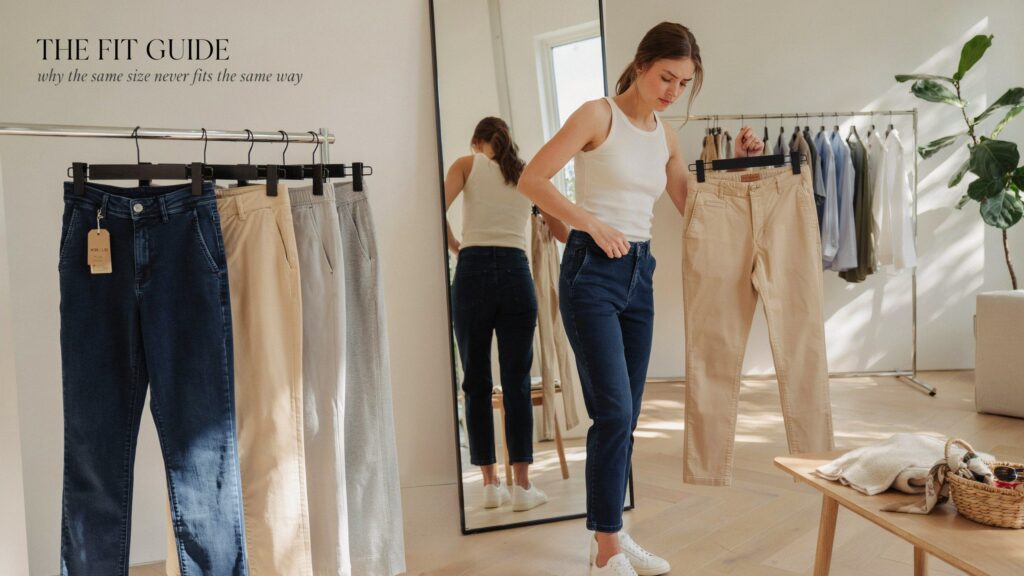
Finding the perfect pair of pants can be confusing, especially when the same size feels different from one brand to another. Why pants fit differently between brands is a common question among shoppers because sizing depends on factors like measurements, fabric, fit style, and design choices. In this guide, we’ll explore the main reasons behind these differences and share tips to help you choose the right fit with confidence.
Table of Contents
Why Do Pants Fit Differently Between Brands
Have you ever tried on the same pants size from two different brands and noticed they fit completely differently? This is a common experience for many shoppers. While the size label may be the same, factors such as sizing standards, fit design, fabric type, and manufacturing methods can significantly affect how pants fit. Understanding why pants fit differently between brands can help you make smarter purchasing decisions, avoid sizing mistakes, and find clothing that feels comfortable and looks great. In this guide, we’ll explore the key reasons behind these fit differences and share practical tips for choosing the right size every time.
Different Brands Use Different Size Charts
One of the biggest reasons why pants fit differently between brands is that there is no universal sizing standard in the clothing industry. Each brand develops its own size chart based on its target customers, design preferences, and fit philosophy. As a result, a size 34 waist in one brand may fit differently than a size 34 from another brand.
Brands often use different body measurements when creating their garments. While one company may design a size 34 pant for a 34-inch waist with a slimmer fit through the hips and thighs, another brand may allow extra room in those areas for greater comfort. Despite carrying the same size tag, the actual dimensions and overall fit can differ considerably from one brand to another.
Many brands also focus on specific customer groups. Some create pants for athletic builds, while others design them for slim, regular, or relaxed body types. This means the proportions of the pants can change even when the waist size is identical. Factors such as thigh width, seat room, leg opening, and rise all contribute to how the pants fit.
This variation is especially noticeable when shopping online. Customers often assume that their usual size will fit the same across all brands, only to discover that the pants feel tighter or looser than expected. This is why checking a brand’s size chart is much more reliable than relying solely on the size number printed on the label.
Understanding brand-specific sizing helps explain why pants fit differently between brands and highlights the importance of comparing actual measurements before making a purchase. Taking a few minutes to review waist, hip, inseam, and rise measurements can greatly improve the chances of finding the right fit.
Fit Types Affect How Pants Feel and Look
Another major reason why pants fit differently between brands is the variety of fit types available. Even when two brands offer the same waist size, the overall shape and cut of the pants can create a completely different wearing experience. Fit types determine how much room is available in the seat, thighs, knees, and lower legs, directly affecting both comfort and appearance.
Slim Fit Pants
Slim fit pants are designed to follow the natural shape of the body with less extra fabric. They typically fit closer through the hips, thighs, and calves, creating a modern and streamlined look. Some brands offer very narrow slim-fit designs, while others provide a more relaxed version. Because of these differences, a slim-fit pant from one brand may feel much tighter than a similar size from another.
Regular Fit Pants
Regular fit pants offer a balanced combination of comfort and structure. They provide moderate room throughout the seat and legs without appearing too loose or too tight. Many people choose regular-fit pants for everyday wear because they work well for a wide range of body types. However, the amount of room included in a regular fit can still vary from brand to brand.
Relaxed Fit Pants
Relaxed fit pants are designed with additional space in the hips, seat, and thighs. This extra room allows for greater comfort and freedom of movement, making them popular for casual wear, travel, and physically active lifestyles. Some brands create highly relaxed silhouettes, while others use a slightly looser cut that remains tailored in appearance.
Athletic Fit Pants
Athletic fit pants are specifically designed for individuals with larger thighs and glutes. They provide more room in the upper leg area while gradually tapering toward the ankle for a cleaner look. Because brands use different measurements for athletic fits, the level of comfort and leg taper can vary significantly.
Understanding fit types is essential when shopping for pants. A size number alone does not tell the whole story. The cut and design of the garment often play an equally important role in determining comfort and style. This is one of the key reasons why pants fit differently between brands, even when the waist measurement appears to be the same.
Fabric Composition Changes the Fit
The type of fabric used in pants has a major impact on how they feel, stretch, and fit on the body. Even if two pairs of pants have the same size and design, different materials can create completely different results. Fabric composition is another important reason why pants fit differently between brands.
Stretch Fabrics vs Non-Stretch Fabrics
Pants made with stretch materials, such as fabrics containing elastane or spandex, usually provide more flexibility and comfort. These pants can move with the body and may feel slightly more forgiving around the waist, hips, and thighs. Because of their flexibility, stretch pants often feel more comfortable even when they have a slimmer cut.
On the other hand, pants made from non-stretch fabrics, such as 100% cotton, have less give. They usually maintain a more structured shape but may feel tighter in areas where the body naturally moves. This difference in flexibility can make the same size feel completely different between two brands.
Cotton, Denim, and Synthetic Blends
Cotton pants are popular because they are breathable, durable, and comfortable, but pure cotton fabrics may shrink slightly and become less flexible over time. Denim pants can also vary widely depending on whether they contain stretch fibers or use a rigid weave.
Synthetic blends, such as polyester and nylon combinations, often improve durability, wrinkle resistance, and shape retention. However, they may create a different feel compared to natural fabrics. Some blends make pants feel smoother and more flexible, while others may feel firmer.
When comparing pants from different brands, it is important to look beyond the size label and check the fabric details. The material affects movement, comfort, and how the pants sit on your body. This is why pants fit differently between brands, even when the style and size appear similar.
Rise and Cut Make a Big Difference
The rise and cut of pants play an important role in how they fit, feel, and look on the body. Many shoppers focus only on the waist size, but details like the rise length and leg shape can completely change the wearing experience. These design differences are another major reason why pants fit differently between brands.
Low-Rise Pants
Low-rise pants are designed to sit below the natural waist, usually around the hips. They create a modern and casual appearance but may feel tighter around the lower waist area for some body types. Since different brands use different measurements for the rise, low-rise pants with the same waist size can still feel different.
Mid-Rise Pants
Mid-rise pants sit between the hips and the natural waist, offering a balance of comfort and style. They are one of the most common choices because they provide enough coverage while allowing easy movement. However, the exact position of a mid-rise waistband can vary depending on the brand’s design.
High-Rise Pants
High-rise pants sit closer to or above the natural waist, providing more coverage and support. They often create a longer leg appearance and a more structured silhouette. The amount of rise added by different brands can affect how comfortable and flattering the pants feel.
The Impact of Cut and Leg Shape
The cut of pants also influences the overall fit. Straight-leg, tapered, wide-leg, and bootcut styles all create different shapes around the legs. A tapered pair may feel tighter near the calves, while a wide-leg design provides more room throughout the leg.
Because brands create their own patterns and proportions, the same size can have different waist placement, thigh space, and leg shapes. Understanding rise and cut helps explain why pants fit differently between brands and makes it easier to choose a style that matches your body shape and comfort needs.
Vanity Sizing Explained
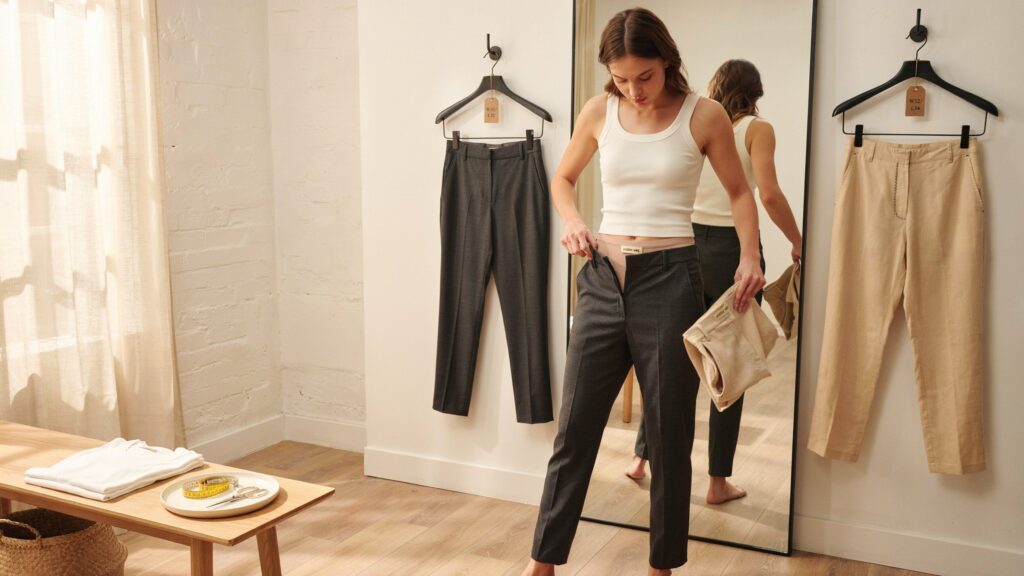
Vanity sizing is another factor that helps explain why pants fit differently between brands. It refers to the practice of labeling clothing with a smaller size number than the actual measurement of the garment. Some brands use this approach to create a more positive shopping experience for customers, but it can also make sizing confusing.
What Is Vanity Sizing?
In traditional sizing, a specific size number should represent consistent body measurements. However, with vanity sizing, two pairs of pants with the same labeled size may have different actual dimensions. For example, a size 34 from one brand may measure larger than a size 34 from another brand.
This means the number on the tag does not always provide an accurate picture of how the pants will fit. The actual waist measurement, cut, and fabric quality are often more important than the size label itself.
Why Do Brands Use Vanity Sizing?
Brands may use vanity sizing as a marketing strategy to make customers feel more comfortable with their clothing choices. A shopper may prefer buying a smaller labeled size, even if the actual garment measurements are similar to a larger size from another company.
However, this practice creates inconsistency across the fashion industry. Customers who shop between multiple brands may notice that they need different sizes depending on where they buy their pants.
How to Deal With Vanity Sizing
The best way to avoid sizing confusion is to focus on measurements instead of labels. Check the brand’s size guide, compare waist and inseam measurements, and read customer reviews before purchasing.
Understanding vanity sizing makes it easier to see why pants fit differently between brands and helps shoppers choose the right pair based on actual fit rather than just the number written on the tag.
Manufacturing and Quality Control Variations
Manufacturing processes and quality control standards can also affect how pants fit, making them another reason why pants fit differently between brands. Even when a brand follows the same size chart, small differences during production can change the final shape, measurements, and overall feel of the pants.
During manufacturing, factors such as fabric cutting, stitching techniques, and pattern placement can influence the finished product. A slight difference in how fabric pieces are cut or sewn may result in changes to the waist, thigh area, inseam, or leg shape. These small variations can make one pair feel tighter or looser than another.
Quality control also plays an important role in maintaining consistent sizing. Some brands have strict inspection processes to ensure every pair matches the intended measurements, while others may allow minor differences between batches. As a result, two pants with the same size label may not always fit exactly the same.
Mass production can increase these variations because thousands of garments are created using different materials, machines, and production environments. Fabric stretching, shrinking, or finishing treatments can also affect the final fit after manufacturing.
Understanding these production differences helps explain why pants fit differently between brands and even why two pairs from the same brand may sometimes feel slightly different. Checking measurements, fabric details, and customer feedback can help you find a more accurate fit when shopping.
Regional Sizing Standards Around the World
Regional sizing standards are another important reason why pants fit differently between brands. Clothing sizes are not measured the same way in every country, and different regions use their own sizing systems based on local body measurements, fashion trends, and manufacturing practices.
US Sizing Standards
In the United States, pants are commonly labeled using waist and inseam measurements, such as 32×32. The first number represents the waist size, while the second indicates the leg length. However, even within US brands, sizing can vary because each company creates its own fit patterns.
European Sizing Standards
European pants sizes often use numerical sizing that is different from US measurements. For example, a European size number may not directly match an American waist size. European brands also tend to use different proportions, which can affect how the pants fit around the hips, thighs, and legs.
Asian Sizing Standards
Asian sizing systems often follow smaller measurements compared to many Western brands. A size labeled as medium or a specific number may fit differently due to differences in average body proportions used during garment production. This is why international shoppers often need to check detailed size charts before buying.
Why Regional Differences Cause Fit Changes
When brands sell products globally, they may adjust their sizing based on the target market. A company designing pants for one region may use different measurements than the same company selling in another country. These differences in sizing standards, body proportions, and production methods explain why pants fit differently between brands.
To avoid confusion, shoppers should always compare actual measurements instead of relying only on size labels, especially when purchasing pants from international brands.
How to Find the Right Pants Size Across Brands
Finding the correct pants size across different brands can be challenging because every company follows its own sizing methods, cuts, and measurements. Since pants fit differently between brands, relying only on your usual size may not always give you the best fit. Using accurate measurements and understanding sizing details can make shopping much easier.
Use Accurate Body Measurements
The first step to finding the right pants size is knowing your actual measurements. Measure your waist, hips, thighs, and inseam to get a better idea of what size will work for you. These measurements provide a more reliable guide than simply choosing the same size you usually wear.
Check Each Brand’s Size Chart
Each clothing brand follows its own measurement system, which means sizing can vary from one company to another. Before purchasing, compare your measurements with the brand’s official size chart. Pay attention to details like waist size, inseam length, rise, and fit type because these factors influence how the pants will sit on your body.
Read Customer Reviews
Customer reviews can provide helpful information about how pants fit in real life. Customer reviews often reveal whether pants fit smaller, larger, tighter, or looser than expected. This information can help you decide if you should stick with your usual size or choose a different option for a better fit.
Compare Fabric and Stretch Details
Fabric composition affects how comfortable and flexible pants feel. Stretch materials can provide extra room and movement, while rigid fabrics may require a more accurate fit. Always check the material details before choosing a size.
Understand Your Preferred Fit
Knowing your preferred style also helps when shopping across brands. A slim-fit pant from one brand may feel tighter than a regular-fit style from another brand. Consider whether you prefer a fitted, relaxed, or classic look before making a purchase.
Finding the right pants size becomes easier when you focus on measurements, fabric, and fit details instead of only the size label. Since pants fit differently between brands, a careful comparison helps you choose pants that provide both comfort and the right appearance.
Common Mistakes to Avoid When Buying Pants Online
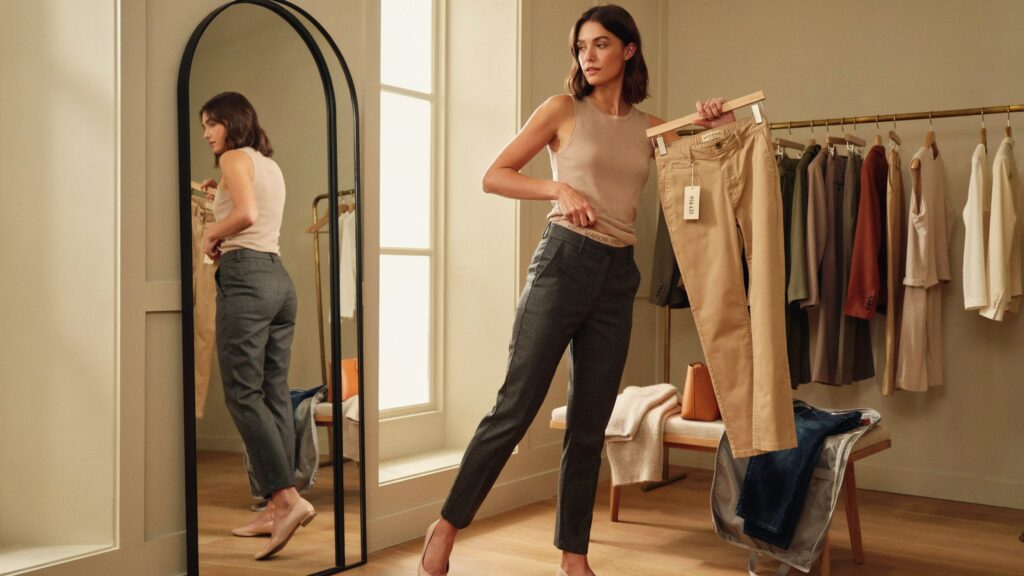
Buying pants online is convenient, but choosing the wrong pair can be frustrating if you ignore important details. Since pants fit differently between brands, relying only on your usual size can often lead to poor fitting, discomfort, or the need for returns. Avoiding common shopping mistakes can help you find pants that match your body shape and style preferences.
Relying Only on the Size Label
One of the biggest mistakes shoppers make is assuming the same size will fit every brand. Size numbers are not always consistent because brands use different measurements and fitting methods. Always check the brand’s size chart and compare measurements before purchasing.
Ignoring Waist and Inseam Measurements
Many buyers focus only on waist size and forget about inseam length. The wrong inseam can make pants look too short or too long, while an incorrect waist measurement can affect comfort. Measuring both areas helps you choose a more accurate fit.
Not Checking the Fabric Details
Fabric composition can change how pants feel and perform. Stretch fabrics may provide extra flexibility, while non-stretch materials may feel more structured and fitted. Ignoring fabric information can result in choosing pants that do not match your comfort needs.
Skipping Customer Reviews
Customer feedback can provide useful information about the actual fit of the pants. Reviews often explain whether a product runs smaller, larger, tighter, or looser than expected. This can help you decide if you need your regular size or a different option.
Ignoring the Fit Description
Choosing pants without understanding the fit type can lead to disappointment. Slim, regular, relaxed, and athletic fits all provide different levels of comfort and appearance. Always check the fit description to make sure it matches your preferred style.
Not Checking the Return Policy
Even with careful research, pants may not fit perfectly because of brand differences. Reviewing the return and exchange policy before buying gives you more confidence if the size or style does not work.
Avoiding these mistakes makes online shopping easier and improves your chances of finding the right pair. Understanding why pants fit differently between brands helps you make better decisions and choose pants that provide the right combination of comfort, style, and fit.
Conclusion
Understanding why pants fit differently between brands can help you make smarter choices when shopping for the perfect pair. Size labels alone do not always provide an accurate idea of fit because factors like brand sizing standards, fabric composition, fit styles, rise, cut, and manufacturing differences all influence how pants feel and look.
Instead of depending only on your usual size, focus on important details such as measurements, fabric type, fit descriptions, and customer reviews. Taking the time to compare these factors can help you avoid common sizing mistakes and find pants that offer the right combination of comfort, style, and confidence.
Whether you are buying pants online or in-store, remembering that every brand has its own approach to sizing will make the shopping experience easier. A better understanding of fit differences allows you to choose pants that match your body shape and provide a more comfortable fit every time.
FAQs
Why do pants fit differently between brands even when the size is the same?
Pants fit differently between brands because each company uses its own sizing standards, patterns, fabric choices, and fit styles. A size label does not always represent identical measurements across different brands.
How can I find the correct pants size when shopping online?
The best way to find the right size is to measure your waist, hips, and inseam, then compare those measurements with the brand’s size chart. Checking reviews and fabric details can also help you make a better choice.
Does fabric type affect how pants fit?
Yes, the type of fabric used in pants can significantly influence their comfort, flexibility, and overall fit. Stretch materials provide more flexibility, while rigid fabrics offer a firmer structure and may feel tighter.
Should I always buy my usual pants size from every brand?
No, your usual size may not fit the same across all brands. Because sizing systems and fit designs vary, it is better to check measurements instead of depending only on the size number.
Why is the fit description important when buying pants online?
The fit description explains how the pants are designed to sit on your body. Styles like slim fit, regular fit, and relaxed fit have different shapes, so understanding the fit type helps you choose a more comfortable and suitable pair.