
Introduction
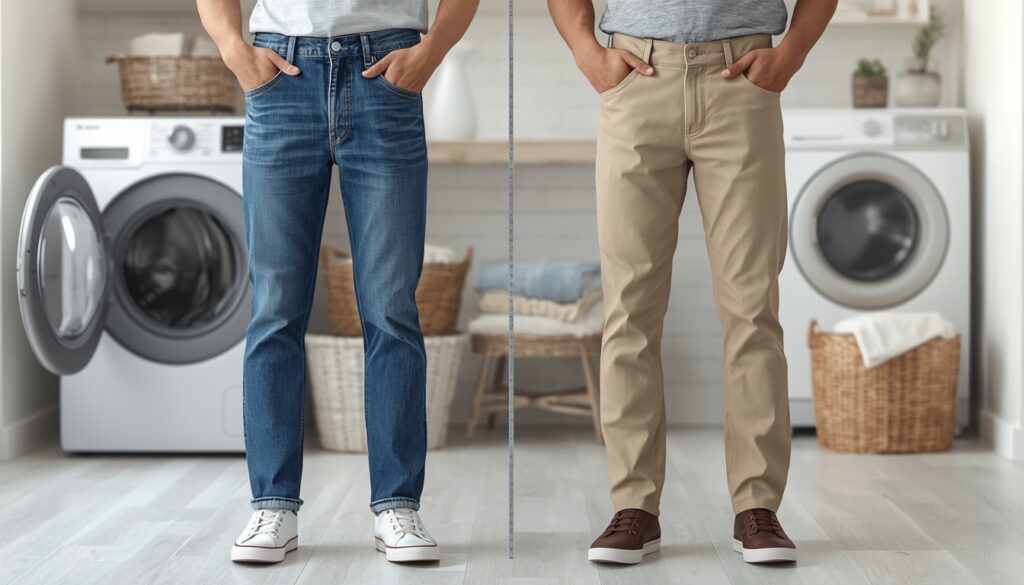
Why do pants shrink after washing? It’s a common question many people ask after noticing their favorite pair feels tighter or shorter after laundry day. The good news is that shrinkage is usually preventable once you understand what causes it. Factors like fabric type, water temperature, dryer heat, and washing methods all play a role in how your pants respond to cleaning. In this guide, you’ll learn why pants shrink after washing, which fabrics are most affected, how to prevent shrinkage, and what you can do if your pants have already become smaller.
Table of Contents
Why Do Pants Shrink After Washing?
If you’ve ever taken your favorite pants out of the washer or dryer only to find they fit tighter than before, you’re not alone. Why do pants shrink after washing? The answer lies in how fabric fibers respond to heat, water, and movement during the laundry process. While some shrinkage is expected, especially with natural fabrics, understanding the causes can help you keep your pants fitting properly for longer.
Not all pants shrink in the same way. The fabric type, washing temperature, drying method, and even how the material was made all play a role. Let’s take a closer look at what causes shrinkage and why it happens.
How Fabric Fibers React to Heat and Water
Fabric fibers naturally expand when they absorb water and contract as they dry. During manufacturing, many fabrics are stretched to create smooth, even material before being cut and sewn into pants. When these stretched fibers are exposed to heat and moisture during washing, they begin to relax and return closer to their original shape. This process makes the fabric tighter, causing the pants to shrink.
Hot water speeds up this reaction by softening the fibers, allowing them to contract more easily. High temperatures in a clothes dryer can make shrinkage even worse by removing moisture quickly and forcing the fibers to tighten further.
Natural fibers such as cotton, wool, and linen are especially sensitive to heat and water because they absorb more moisture than synthetic materials. Polyester, nylon, and other synthetic fabrics absorb less water, making them much less likely to shrink under normal washing conditions.
The Science Behind Fabric Shrinkage
The science behind fabric shrinkage is based on the structure of textile fibers. During the production process, yarns are spun, woven, or knitted under tension to create fabric. This tension keeps the fibers slightly stretched until the finished garment is washed.
When pants are exposed to warm water, detergent, and agitation in the washing machine, the fibers begin to relax. If high heat is added during drying, the fibers tighten even further, reducing the overall size of the garment. This is why many pants experience their greatest amount of shrinkage after the first wash.
There are several types of shrinkage that can occur:
- Relaxation shrinkage: Fibers return to their natural state after manufacturing tension is released.
- Felting shrinkage: Common in wool, where fibers interlock tightly because of heat, moisture, and agitation.
- Progressive shrinkage: Small amounts of shrinkage occur over multiple washes due to repeated exposure to heat and friction.
Manufacturers often pre-shrink fabrics before making garments, but even pre-shrunk pants may shrink slightly if they are washed or dried at high temperatures.
Why Some Pants Shrink More Than Others
One reason people ask, “Why do pants shrink after washing?” is because the results can vary from one pair to another. Several factors determine how much shrinkage occurs.
The biggest factor is the fabric composition. Pants made from 100% cotton generally shrink more than pants made with polyester or spandex blends. Wool and linen also have a higher risk of shrinking if they are not washed according to the care instructions.
The construction of the fabric also matters. Fabrics with a looser weave or knit structure are generally more prone to shrinking because their fibers can shift and tighten more easily during washing and drying.
Another important factor is whether the fabric was pre-shrunk during manufacturing. Many modern clothing brands treat fabrics before production to minimize shrinkage, but this process does not eliminate it completely.
Finally, how you care for your pants makes a significant difference. Washing in hot water, using a high-spin cycle, and drying on high heat all increase the likelihood of shrinkage. In contrast, washing with cold water, selecting a gentle cycle, and air drying or using a low-heat dryer setting can help preserve the original size and fit of your pants.
Understanding these factors explains why two pairs of pants made from different materials—or even from different brands—can react very differently after washing.
What Causes Pants to Shrink?
Many people wonder, why do pants shrink after washing even when they follow the care instructions. The truth is that shrinkage is usually caused by a combination of heat, moisture, friction, and the way the fabric was manufactured. Understanding these factors can help you avoid accidental shrinkage and extend the life of your favorite pants.
Hot Water
Hot water is one of the most common reasons pants shrink after washing. When fabric is exposed to high temperatures, the fibers begin to relax and contract. This effect is especially noticeable in natural materials like cotton, wool, linen, and rayon, which absorb more water than synthetic fabrics.
As the fibers tighten, the fabric becomes more compact, making the pants shorter, narrower, or tighter than before. Washing your pants in cold or cool water is one of the simplest ways to reduce the risk of shrinkage while also helping preserve the fabric’s color and shape.
High Dryer Heat
If you’ve ever asked yourself, why do pants shrink after washing, the dryer may be the real culprit. While washing starts the shrinkage process, high dryer temperatures often make it much worse.
The intense heat inside a dryer removes moisture from the fabric very quickly, causing the fibers to contract even further. Cotton pants are particularly vulnerable, but other natural fabrics can also lose their original size when dried on a high-heat setting.
To protect your pants, choose a low-heat or delicate drying cycle whenever possible. Better yet, air dry your pants to maintain their original fit and reduce wear on the fabric.
Agitation During Washing
The movement of clothes inside the washing machine also contributes to shrinkage. As pants rub against other garments and the drum rotates, the fabric experiences friction and repeated stretching. This mechanical action encourages fibers to settle into a tighter structure, especially when combined with warm water.
Although agitation alone may not cause significant shrinkage, it can increase the overall effect when paired with high temperatures. Selecting a gentle wash cycle reduces stress on the fabric and helps maintain the garment’s size and shape.
Fabric Manufacturing Process
The way fabric is produced plays an important role in determining how much it may shrink later. During manufacturing, fibers are often stretched under tension while the fabric is woven, knitted, dyed, and finished. This stretching helps create a smooth and consistent material for making clothing.
When the finished pants are washed for the first few times, those stretched fibers naturally relax and return closer to their original state. This process, known as relaxation shrinkage, is one of the main reasons brand-new pants sometimes become slightly smaller after their first wash.
Many clothing brands use pre-shrunk fabrics to minimize this effect, but no treatment can completely eliminate the possibility of shrinkage.
Improper Laundry Practices
Incorrect washing and drying habits are another major answer to the question, why do pants shrink after washing. Even pants made from shrink-resistant fabrics can lose their original fit if they are not cared for properly.
Common laundry mistakes include using hot water for every load, drying clothes on the highest heat setting, ignoring the care label, overloading the washing machine, and leaving garments in the dryer longer than necessary. These habits expose fabric fibers to unnecessary stress and increase the likelihood of shrinkage.
Following the care instructions on the garment label, washing with cold water, using a gentle cycle, and drying on low heat or air drying are simple practices that can help keep your pants looking and fitting their best for years.
Which Fabrics Shrink the Most?
If you’ve ever wondered why do pants shrink after washing, the type of fabric is one of the biggest factors. Every fabric reacts differently to heat, water, and movement during the laundry process. Natural fibers generally shrink more because they absorb moisture easily and their fibers contract when exposed to high temperatures. In contrast, most synthetic fabrics are engineered to hold their shape and resist shrinkage.
Below is a closer look at the fabrics most commonly used in pants and how likely they are to shrink.
Cotton Pants
Cotton is one of the most popular materials for jeans, chinos, khakis, and casual pants, but it is also one of the fabrics most likely to shrink. Cotton fibers absorb a large amount of water, and when exposed to hot water or high dryer heat, they tighten as they dry.
Although many cotton pants are labeled as pre-shrunk, they can still shrink slightly if they are washed or dried at high temperatures. Washing cotton pants in cold water and air drying them helps preserve their original fit.
Linen Pants
Linen is a lightweight, breathable fabric that is ideal for warm weather, but it is highly prone to shrinkage if not cared for properly. Because linen fibers absorb moisture quickly, they can contract when exposed to excessive heat.
To reduce shrinkage, wash linen pants in cool water using a gentle cycle and allow them to air dry instead of using a hot dryer.
Wool Pants
Wool is one of the most delicate natural fibers. Unlike cotton, wool can shrink dramatically if washed with hot water or dried at high temperatures. Heat, moisture, and agitation cause wool fibers to interlock tightly, a process known as felting, which can permanently reduce the garment’s size.
If your wool pants are machine washable, always use the wool or delicate cycle with cold water. For premium wool garments, professional dry cleaning is often the safest option.
Rayon Pants
Rayon is made from natural cellulose fibers that have been chemically processed. While it offers a soft feel and elegant drape, it is more delicate than many other fabrics and can shrink when exposed to heat and excessive moisture.
To maintain the size and appearance of rayon pants, wash them gently in cold water and avoid high-heat drying.
Cotton Blend Pants
Many modern pants combine cotton with polyester, elastane, or other synthetic fibers. These blends provide better durability, flexibility, and wrinkle resistance while reducing the amount of shrinkage compared to 100% cotton.
Although cotton blend pants are generally more stable, they can still shrink if repeatedly washed in hot water or dried on high heat. Following the care label remains the best way to protect the garment.
Polyester and Synthetic Fabrics
Polyester, nylon, and similar synthetic fabrics are among the most shrink-resistant materials used in pants. Their fibers absorb very little moisture and maintain their structure even after repeated washing.
While these fabrics rarely shrink under normal laundry conditions, extremely high dryer temperatures can damage the fibers or affect the elasticity of pants that contain spandex or elastane. Using a low-heat drying setting helps preserve both the fit and performance of synthetic pants.
Fabric Shrinkage Comparison
| Fabric | Shrinkage Risk | Best Care Method |
|---|---|---|
| Cotton | High | Cold wash, air dry |
| Linen | High | Wash in cool water and let it dry naturally. |
| Wool | Very High | Cold wash or dry clean |
| Rayon | Moderate to High | Cold wash, low heat |
| Cotton Blend | Moderate | Cool wash, low-heat dry |
| Polyester | Low | Cold or warm wash, low heat |
| Nylon | Very Low | Cool wash, low heat |
| Spandex Blend | Low | Avoid excessive heat |
The fabric composition largely determines why do pants shrink after washing. Pants made from natural fibers such as cotton, linen, wool, and rayon require more careful washing and drying than synthetic alternatives. By understanding how each fabric responds to heat and moisture, you can choose the right laundry method and keep your pants fitting comfortably for much longer.
Does the Washing Machine Cause Pants to Shrink?
Many people assume the washing machine is entirely responsible when their pants become smaller after laundry. In reality, the washing machine is only one part of the process. If you’re wondering why do pants shrink after washing, the answer involves several factors, including water temperature, wash cycle, and fabric type. While the machine itself does not automatically shrink clothing, the settings you choose can significantly affect how much shrinkage occurs.
Natural fabrics such as cotton, linen, wool, and rayon are more sensitive to washing conditions than synthetic materials. Choosing the right washing method can help maintain your pants’ original size and fit.
Top-Load vs. Front-Load Washers
The type of washing machine you use can influence the amount of stress placed on your pants.
Traditional top-load washers with a center agitator clean clothes by moving them back and forth more aggressively. This extra movement creates additional friction between garments, which can encourage fabric fibers to tighten, especially when combined with warm or hot water. Over time, repeated washing in an agitator-style machine may increase the chances of slight shrinkage.
Front-load washers use a tumbling motion instead of a central agitator. Because the clothes experience less friction and mechanical stress, these machines are generally gentler on fabrics. They are often recommended for delicate garments and pants made from natural fibers that are more likely to shrink.
Although front-load washers are less harsh, both types of machines can contribute to shrinkage if the wrong water temperature or wash settings are used.
Gentle Cycle vs. Normal Cycle
The wash cycle you select also plays an important role in preventing shrinkage.
A gentle cycle uses slower drum movements and lower spin speeds, reducing friction and minimizing stress on fabric fibers. This makes it an excellent choice for cotton chinos, linen pants, wool trousers, and other delicate garments.
A normal cycle, on the other hand, uses stronger agitation and faster spinning to remove dirt from heavily soiled clothing. While this cycle cleans effectively, it also increases the movement and tension placed on fabrics. When paired with warm or hot water, it can raise the risk of shrinkage, particularly for natural fibers.
If your pants are only lightly worn, using the gentle cycle is usually enough to clean them while helping preserve their original shape.
Water Temperature Matters
One of the biggest reasons why do pants shrink after washing is the water temperature used during the wash cycle.
Hot water causes many natural fibers to relax and contract. As the fibers tighten, the fabric becomes more compact, which can make your pants feel shorter or tighter after washing. Cotton, linen, wool, and rayon are especially vulnerable to this type of shrinkage.
Warm water is less damaging than hot water but can still lead to some shrinkage over time, particularly if the pants are repeatedly washed at higher temperatures.
Cold water is the safest choice for most pants. It helps protect fabric fibers, reduces the risk of shrinkage, preserves color, and extends the life of the garment. Unless the care label specifically recommends otherwise, washing pants in cold water is the best way to maintain their size and overall appearance.
Overall, the washing machine itself is not the main reason pants shrink. Instead, shrinkage is usually caused by a combination of water temperature, wash cycle, fabric type, and the care methods used after washing. By choosing a gentle cycle and cold water, you can greatly reduce the chances of your pants shrinking over time.
Does the Dryer Shrink Pants More Than Washing?
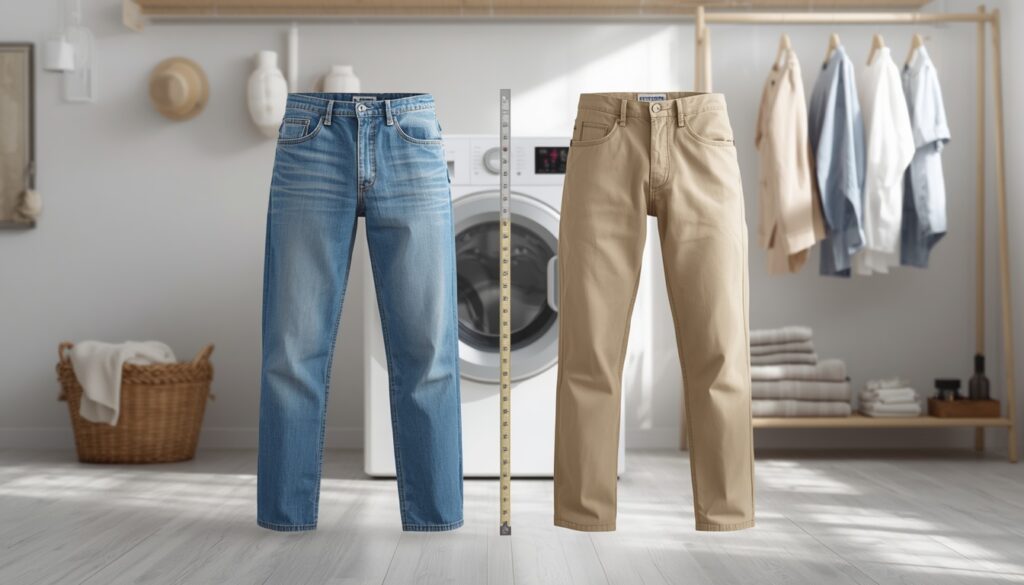
In many cases, yes. If you’re asking why do pants shrink after washing, the clothes dryer is often a bigger cause of shrinkage than the washing machine itself. Washing exposes fabric fibers to water and some movement, but the intense heat inside a dryer can cause those fibers to contract much more quickly. This is especially true for pants made from natural materials such as cotton, linen, wool, and rayon.
While washing may begin the shrinkage process, high dryer temperatures often make it more noticeable. Understanding how dryer heat affects different fabrics can help you protect the fit and lifespan of your pants.
Why High Heat Is the Biggest Problem
High heat is one of the leading causes of clothing shrinkage. As wet fabric is exposed to hot air, the fibers lose moisture rapidly and begin to tighten. This process causes the material to contract, making the pants smaller than their original size.
Natural fibers are especially vulnerable because they absorb more water before drying. Cotton pants, for example, can shrink significantly when dried on a high-heat setting, even if they were washed in cold water. Wool and rayon are also highly sensitive to excessive heat and may experience permanent shrinkage if not dried carefully.
Synthetic fabrics such as polyester and nylon are generally more resistant to shrinking, but repeated exposure to high temperatures can still damage the fibers, reduce elasticity, and shorten the life of the garment.
Air Drying vs. Machine Drying
Air drying is one of the safest ways to reduce the risk of shrinkage. Because little to no heat is applied, the fibers dry gradually, helping them retain their original shape instead of tightening
Machine drying is more convenient and faster, but it carries a greater risk of shrinkage, especially when high heat is used. Although pre-shrunk pants are designed to minimize shrinkage, repeated drying on high heat can still cause them to lose some of their original size.
If air drying is not practical, remove your pants from the dryer while they are still slightly damp and allow them to finish drying naturally. This simple step helps reduce prolonged exposure to heat and lowers the chance of additional shrinkage.
Best Dryer Settings to Prevent Shrinkage
Using the correct dryer settings can make a significant difference in protecting your pants from shrinking.
For most fabrics, choose the low-heat, delicate, or air-fluff setting instead of high heat. These settings dry clothes more gently and reduce the stress placed on fabric fibers. They are especially recommended for cotton, linen, rayon, wool blends, and pants containing elastane or spandex.
It’s also a good idea to avoid overdrying your clothes. Once your pants are dry, remove them promptly from the dryer. Leaving garments inside a hot dryer for longer than necessary exposes them to unnecessary heat, which can increase shrinkage and create more wrinkles.
Ultimately, if you’re wondering why do pants shrink after washing, the dryer is often the biggest reason. Choosing lower heat settings, avoiding over drying, and air drying whenever possible are some of the most effective ways to keep your pants fitting comfortably and looking their best for years.
Effective Ways to Keep Pants from Shrinking During Laundry
Once you understand why do pants shrink after washing, the next step is learning how to prevent it. Fortunately, avoiding shrinkage doesn’t require expensive products or complicated laundry routines. A few simple changes to the way you wash and dry your pants can help preserve their original size, shape, and overall appearance.
Whether your pants are made from cotton, linen, wool, rayon, or a fabric blend, following proper care practices will reduce the risk of shrinkage and extend the life of your clothing.
Read the Care Label
The care label is the best place to start before washing any pair of pants. It contains instructions provided by the manufacturer based on the fabric type and construction of the garment.
The label may recommend the ideal water temperature, washing cycle, drying method, or whether the pants should be hand washed or dry cleaned. Ignoring these instructions increases the chances of shrinking, fading, or damaging the fabric.
Taking a few seconds to read the care label can help you avoid costly mistakes and keep your pants fitting properly.
Wash with Cold Water
Cold water is one of the safest choices for washing most types of pants. Unlike hot water, it is much less likely to cause fabric fibers to tighten and shrink.
Washing with cold water is especially beneficial for cotton, linen, rayon, and other natural fibers that are more sensitive to heat. It also helps preserve the fabric’s color, reduces wear, and improves the overall lifespan of your pants.
Unless the care label specifically recommends warm or hot water, cold water should be your default option.
Choose the Gentle Cycle
The washing cycle you select has a direct impact on how much stress your pants experience during cleaning.
A gentle cycle uses slower drum movements and lower spin speeds, reducing friction between garments. This helps protect fabric fibers from unnecessary stretching and tightening, which can contribute to shrinkage over time.
For delicate fabrics, dress pants, chinos, and lightweight trousers, the gentle cycle provides effective cleaning while minimizing the risk of damage.
Use Mild Detergent
Using a mild detergent helps clean your pants without exposing the fabric to harsh chemicals. Strong detergents can gradually weaken fibers, making some fabrics more vulnerable to wear after repeated washing.
Choose a detergent designed for everyday clothing or delicate fabrics, and use only the recommended amount. Adding extra detergent does not improve cleaning performance and may leave residue on the fabric, requiring additional rinsing and increasing unnecessary wear.
Avoid Overloading the Washer
Packing too many clothes into the washing machine prevents garments from moving freely during the wash cycle. As a result, pants rub against heavier items more frequently, increasing friction and putting extra stress on the fabric.
An overloaded washer also reduces cleaning efficiency because water and detergent cannot circulate properly. Washing smaller loads allows your pants to move more freely, helping protect their shape while ensuring they are cleaned thoroughly.
Air Dry Whenever Possible
Air drying is one of the most effective ways to reduce the risk of shrinkage. Since the fabric dries naturally without being exposed to high temperatures, the fibers are less likely to contract.
Hang your pants on a clothesline or drying rack, or lay delicate garments flat to dry if recommended on the care label. Air drying not only helps maintain the original fit but also reduces wrinkles, saves energy, and extends the life of the fabric.
Whenever possible, make air drying part of your regular laundry routine.
Use Low Heat If You Must Use a Dryer
Sometimes air drying isn’t practical, especially during cold or rainy weather. In those situations, use the lowest heat setting available on your dryer.
Low heat removes moisture more gently than high temperatures, reducing the chance that fabric fibers will tighten and shrink. Removing your pants while they are still slightly damp and allowing them to finish drying naturally provides even better protection.
If you’re concerned about why do pants shrink after washing, avoiding high dryer temperatures is one of the most effective ways to preserve the size, comfort, and appearance of your pants for years to come.
Can You Fix Pants That Have Already Shrunk?
If you’re searching for why do pants shrink after washing, you may also be wondering whether it’s possible to restore pants that have already become too small. The good news is that minor shrinkage can sometimes be reversed, especially if the pants are made from natural fibers like cotton or wool. However, the success of the process depends on the fabric type, the amount of shrinkage, and whether the garment was exposed to excessive heat.
While no method can guarantee that your pants will return to their original size, a few simple techniques may help improve their fit.
Stretching Cotton Pants
Cotton pants are among the easiest garments to reshape after slight shrinkage. Cotton fibers become more flexible when damp, allowing you to gently stretch the fabric before it dries.
Start by soaking the pants in lukewarm water for about 15 to 30 minutes. Once they are thoroughly wet, remove the excess water by pressing the fabric gently with a clean towel. Avoid twisting or wringing the pants, as this can damage the fibers.
Lay the pants on a flat surface and carefully stretch the waistband, legs, and other areas that feel tight. Continue adjusting the fabric until it reaches the desired size, then allow the pants to air dry while maintaining their shape.
This method works best for pants that have only shrunk slightly and may not fully restore garments that have experienced significant shrinkage.
Using Baby Shampoo or Hair Conditioner
A popular way to relax fabric fibers is to use baby shampoo or a mild hair conditioner. These products can soften certain natural fibers, making them easier to stretch without causing damage.
Fill a basin with lukewarm water and mix in a small amount of baby shampoo or hair conditioner. Soak the pants for 20 to 30 minutes so the solution can penetrate the fibers. After soaking, gently squeeze out the excess water without rinsing immediately.
Place the damp pants on a towel and slowly stretch the areas that have become tight. Once you’ve reached the desired shape, let the pants air dry naturally. This technique is most effective for cotton, wool, and some rayon garments.
What Fabrics Can Be Restored?
Not every fabric responds the same way after shrinking. Natural fibers usually have the best chance of being reshaped because they become more flexible when damp.
Cotton pants often respond well to gentle stretching, while wool garments may regain some size if handled carefully. Rayon can sometimes be restored, but its delicate fibers require extra care to avoid damage.
Synthetic fabrics such as polyester and nylon are much more difficult to reshape. These materials are designed to hold their original structure, so once they shrink due to excessive heat, they usually do not stretch back easily. Pants containing elastane or spandex may also lose their original elasticity if exposed to high temperatures.
When Shrinkage Is Permanent
Unfortunately, not all shrinkage can be reversed. If pants have been exposed to very hot water, high dryer heat, or repeated drying cycles, the fibers may become permanently compacted.
Wool garments that have undergone felting are especially difficult to restore because the fibers lock together permanently. Likewise, severe shrinkage in cotton or rayon may leave little room for stretching, even after soaking.
The best solution is prevention. Understanding why do pants shrink after washing and following the correct washing and drying methods can help you avoid permanent shrinkage in the first place. Washing with cold water, using a gentle cycle, and limiting dryer heat are the most effective ways to keep your pants fitting comfortably for years to come.
Common Laundry Mistakes That Cause Pants to Shrink
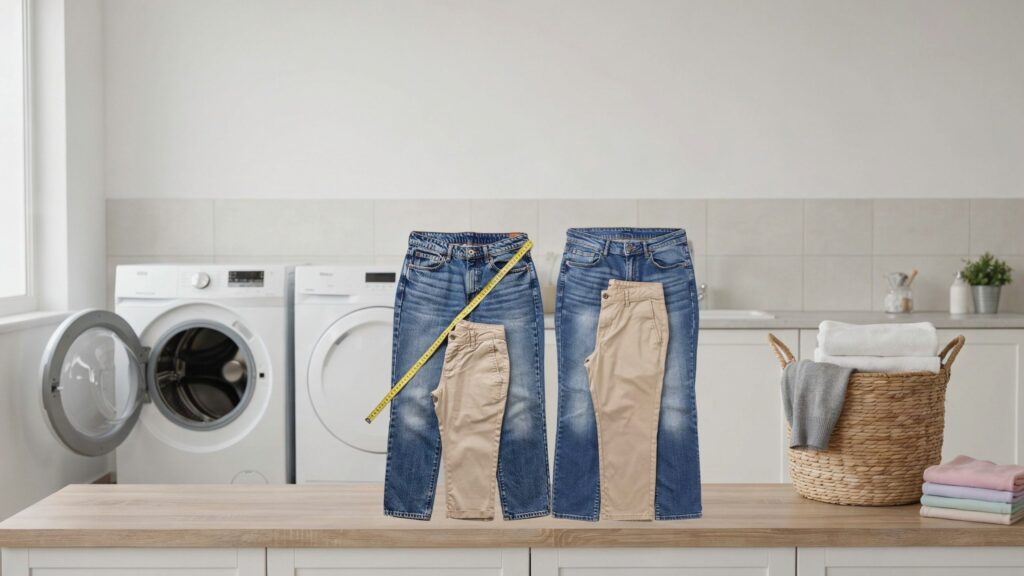
If you’ve ever wondered why do pants shrink after washing, everyday laundry habits may be the reason. In many cases, pants shrink because of everyday laundry habits rather than flaws in the garment itself Fortunately, these mistakes are easy to avoid once you know what to look for.
By making a few adjustments to your laundry routine, you can help your pants maintain their original size, shape, and overall appearance.
Washing in Hot Water
Using hot water is one of the most common reasons pants shrink. High temperatures cause natural fibers such as cotton, linen, wool, and rayon to relax and contract. As the fibers tighten, the fabric becomes smaller, resulting in pants that feel shorter or more fitted than before.
For most pants, cold water is the safer option because it cleans effectively while reducing the risk of shrinkage. Unless the garment’s care label specifically recommends warm or hot water, washing with cold water is the best choice.
Drying on High Heat
Many people focus on the washing machine when asking why do pants shrink after washing, but the dryer is often responsible for the greatest amount of shrinkage.
High dryer temperatures remove moisture from the fabric very quickly, causing the fibers to contract. Repeated exposure to excessive heat can gradually reduce the size of your pants and may also weaken the fabric over time.
To protect your clothing, choose a low-heat or delicate dryer setting whenever possible. Air drying is an even better option for fabrics that are prone to shrinking.
Ignoring Care Instructions
Every pair of pants includes a care label with cleaning recommendations based on the fabric and construction of the garment. Ignoring these instructions can increase the risk of shrinkage, fading, stretching, or fabric damage.
For example, some pants should only be washed in cold water, while others may require hand washing or professional dry cleaning. Following the manufacturer’s care instructions is one of the simplest ways to maintain the original fit and quality of your pants.
Washing Too Frequently
Washing pants after every wear isn’t always necessary and can shorten the life of the fabric. Each wash cycle exposes the garment to water, detergent, friction, and spinning, which gradually puts stress on the fibers.
Although occasional washing won’t usually cause noticeable shrinkage, frequent laundering—especially with warm water or high heat—can increase the chances of the fabric becoming tighter over time.
Unless your pants are heavily soiled or have absorbed odors, consider washing them only when needed to help preserve their shape and durability.
Mixing Heavy and Lightweight Fabrics
Loading heavy items such as towels, hoodies, or jeans together with lightweight pants creates unnecessary friction during the wash cycle. The heavier garments repeatedly rub against lighter fabrics, increasing mechanical stress and wear.
This extra friction can make delicate materials more vulnerable to tightening, especially when combined with warm water and high spin speeds. Sorting laundry by both fabric weight and color helps protect your pants while also improving washing performance.
Avoiding these common laundry mistakes is one of the easiest ways to reduce shrinkage. By using cold water, selecting gentle wash settings, following care labels, and drying with low heat or air drying, you can significantly lower the chances of your pants shrinking after every wash.
How Different Types of Pants Respond to Washing
If you’ve ever asked why do pants shrink after washing, it’s important to know that not all pants react the same way. The amount of shrinkage depends on the fabric, how the pants are constructed, and the washing and drying methods you use. Some styles are more resistant to shrinking because they contain synthetic fibers, while others require extra care to maintain their original fit.
Below is a closer look at how different types of pants respond to washing and the best ways to care for them.
Jeans
Jeans are commonly made from cotton denim, making them more likely to shrink than pants made from synthetic materials. New jeans often experience the most noticeable shrinkage after the first few washes, especially if they are made from 100% cotton.
To preserve the fit of your jeans, wash them in cold water, turn them inside out, and skip high-temperature drying. Air drying is the best option for preserving both the fit and the color of denim.
Dress Pants
Dress pants are available in a variety of fabrics, including wool, polyester, rayon, and blended materials. Wool dress pants require extra care because they can shrink significantly when exposed to hot water or excessive heat.
Polyester-blend dress pants are generally more resistant to shrinkage, but they should still be washed according to the care label. For premium dress pants, dry cleaning is often the safest method to maintain their shape and appearance.
Chinos
Chinos are typically made from cotton or cotton-blend fabric, which means they can shrink if washed or dried at high temperatures. Although many modern chinos are pre-shrunk, improper laundering can still affect their fit over time.
To reduce shrinkage, wash chinos in cold water using a gentle cycle and either air dry them or use a low-heat dryer setting. This helps preserve both the fabric and the tailored appearance of the pants.
Joggers
Joggers are commonly made from cotton blends, polyester, fleece, or performance fabrics. Cotton-rich joggers may shrink slightly when exposed to hot water and high dryer heat, while polyester-based joggers usually retain their original size more effectively.
Following the manufacturer’s care instructions and avoiding excessive heat will help maintain the comfort, stretch, and shape of your joggers.
Cargo Pants
Cargo pants are designed for durability and are often made from cotton canvas, ripstop fabric, or cotton-polyester blends. Cotton cargo pants may experience some shrinkage after repeated washing, especially when dried on high heat.
Cargo pants made with ripstop fabric or synthetic blends are typically better at maintaining their size and are less prone to shrinkage.. Washing them in cold water and using a gentle drying method helps preserve their fit and extends their lifespan.
Leggings
Leggings are usually made from stretchy fabrics such as polyester, nylon, and spandex. These materials are naturally resistant to shrinkage because they absorb very little moisture compared to natural fibers.
However, high dryer temperatures can damage the elastic fibers that provide stretch, causing the leggings to lose their shape or flexibility over time. Washing leggings in cold water and allowing them to air dry is the best way to maintain their elasticity and overall performance.
Understanding how each type of pants reacts to washing makes it easier to answer why do pants shrink after washing. Choosing the correct washing temperature, drying method, and care routine based on the fabric will help protect your pants from unnecessary shrinkage and keep them fitting comfortably for years.
FAQs
Can pants shrink after just one wash?
Yes, some pants can shrink after the first wash, especially if they are made from natural fabrics like cotton, linen, or wool. Shrinkage is more likely if the pants are washed in hot water or dried on a high-heat setting. Choosing cold water and low heat can help minimize this effect.
Are pre-shrunk pants completely shrink-proof?
No. Pre-shrunk pants are treated during manufacturing to reduce future shrinkage, but they are not immune to it. Repeated exposure to hot water and high dryer temperatures can still cause minor changes in size over time.
Which type of pants is least likely to shrink?
Pants made primarily from polyester, nylon, or other synthetic fibers are generally the most resistant to shrinkage. These materials absorb less moisture than natural fibers and are better at maintaining their original shape after washing.
Is air drying better than using a dryer for pants?
Yes. Air drying is one of the safest ways to protect pants from shrinking because it avoids the high temperatures that cause fabric fibers to contract. It also helps maintain the garment’s shape, color, and overall durability.
How can I tell if my pants are likely to shrink?
The easiest way is to check the fabric composition and care label. Pants made from 100% cotton, linen, wool, or rayon have a higher risk of shrinking, while those made from synthetic blends are generally more shrink-resistant. Following the care instructions will help keep your pants fitting properly.
Conclusion
Understanding why do pants shrink after washing makes it much easier to prevent unwanted changes in size and fit. In most cases, shrinkage is caused by a combination of heat, moisture, fabric type, and improper laundry practices rather than a problem with the pants themselves.
Simple habits like washing with cold water, choosing a gentle cycle, avoiding high dryer heat, and following the care label can go a long way in protecting your clothing. Natural fabrics such as cotton, linen, wool, and rayon require extra attention, while synthetic blends generally offer better resistance to shrinkage.
By using the right washing and drying techniques, you can keep your pants looking their best, maintain a comfortable fit, and extend their lifespan. By following proper laundry techniques, you can protect your pants from permanent shrinkage and keep them fitting well for a long time.