

Introduction
What pants are best for cold weather? Choosing the right pair can make a big difference in how warm, comfortable, and protected you feel during the winter months. With so many options available, from fleece-lined pants and thermal pants to insulated pants and waterproof winter pants, it can be difficult to know which style best suits your needs. In this guide, you’ll learn what features, fabrics, and designs to look for, how to choose the right winter pants for different activities, and practical tips to help you stay warm and comfortable all season long.
Table of Contents
What Makes Pants Good for Cold Weather?
If you’re wondering what pants are best for cold weather, the answer depends on several important features rather than just the style. The best pants for cold weather are designed to keep your body warm, block wind, manage moisture, and stay comfortable throughout the day. Whether you’re looking for warm winter pants for everyday use, winter hiking pants for outdoor adventures, or cold weather work pants for demanding jobs, understanding these key features will help you make the right choice.
Insulation and Heat Retention
The most important feature of cold-weather pants is their ability to retain body heat. Good insulation traps warm air close to your skin, preventing heat from escaping in low temperatures.
Many insulated pants use synthetic insulation or soft fleece linings to provide warmth without adding too much weight. Fleece-lined pants, thermal pants, and flannel-lined pants are excellent choices because they create an extra layer of warmth while remaining comfortable for all-day wear.
Natural materials also perform well in cold weather. Merino wool pants and wool pants for winter are popular because wool naturally regulates temperature, wicks moisture, and continues to insulate even when slightly damp. If you spend long hours outdoors, these materials can help maintain consistent warmth.
For extremely cold conditions, wearing thermal base layer pants underneath your outer pants can significantly improve insulation without making your outfit bulky.
Wind Resistance
Cold temperatures become even more uncomfortable when combined with strong winds. Wind can quickly remove body heat, making you feel much colder than the actual air temperature.
That’s why many of the best winter pants feature tightly woven fabrics or special wind-blocking membranes. Windproof pants and softshell pants are specifically designed to reduce wind penetration while allowing enough airflow to prevent overheating.
These pants are especially useful for outdoor activities like hiking, skiing, hunting, and winter commuting. If you frequently experience windy conditions, choosing wind-resistant fabrics can make a noticeable difference in comfort.
Water Resistance vs. Waterproof Materials
Snow, slush, and rain can quickly soak regular pants, causing your body temperature to drop. Choosing the right level of moisture protection is essential when selecting pants for freezing weather.
Water-resistant pants are treated with a durable water-repellent (DWR) coating that helps light rain and snow roll off the fabric. They are ideal for everyday use as well as light outdoor adventures.
For harsher winter conditions, waterproof winter pants provide complete protection against wet snow and heavy precipitation. These pants are commonly used as snow pants, ski pants, and winter camping pants, where staying dry is just as important as staying warm.
If you spend extended periods outdoors, waterproof protection can greatly improve both comfort and safety.
Breathability for All-Day Comfort
Warmth is important, but so is breathability. During activities like hiking, shoveling snow, or working outside, your body naturally produces heat and sweat. Without proper ventilation, moisture becomes trapped inside your clothing, leaving you feeling damp and cold once your activity slows down.
High-quality breathable winter pants allow sweat vapor to escape while still keeping cold air out. This balance helps regulate body temperature and keeps you dry throughout the day.
Many winter outdoor pants, warm hiking pants, and insulated hiking pants combine breathable materials with weather protection, making them ideal for active winter use.
Flexibility and Mobility
Cold-weather pants should keep you warm without restricting movement. Whether you’re walking, climbing, working, or driving, comfort and flexibility are essential.
Modern winter pants for men and winter pants for women often include stretch fabrics, articulated knees, and ergonomic designs that improve mobility. These features are especially valuable in cold weather work pants, winter cargo pants, and winter travel pants, where frequent movement is part of everyday use.
If your winter activities involve hiking or outdoor sports, flexible softshell pants and durable winter pants provide excellent freedom of movement while maintaining warmth.
Durable Construction
Winter conditions can be tough on clothing. Ice, rough terrain, and heavy use require pants made from strong, long-lasting materials.
Many heavyweight pants, insulated work pants, and weather-resistant pants feature reinforced stitching, abrasion-resistant fabrics, and durable zippers that withstand repeated wear. Investing in well-constructed pants ensures better performance and longer service life, especially if you regularly work or spend time outdoors.
Proper Fit for Layering
A good fit plays an important role in staying warm. Pants that are too tight restrict airflow and make layering difficult, while overly loose pants may allow cold air to enter.
The best insulated pants provide enough room to comfortably wear thermal base layer pants underneath without limiting movement. Whether you’re choosing warm casual pants, comfortable winter pants, or pants for cold weather travel, a slightly relaxed fit offers the best balance between warmth and comfort.
Choosing the Right Pants for Your Activity
Not every pair of winter pants is designed for the same purpose. Matching your pants to your activities helps maximize both comfort and performance.
- Thermal-lined jeans and fleece-lined jeans are excellent for everyday casual wear.
- Winter outdoor pants and best pants for outdoor winter activities are ideal for hiking, camping, and exploring.
- Warm work pants and cold weather work pants are built for demanding job sites.
- Best pants for snow, ski pants, and waterproof winter pants provide maximum protection in snowy environments.
- Winter fashion pants combine warmth with modern style for daily wear.
- Pants for cold climates offer additional insulation for regions with consistently freezing temperatures.
By selecting pants based on your environment and activity level, you’ll stay warmer, drier, and more comfortable throughout the winter season.
What Pants Are Best for Cold Weather?
If you’re asking what pants are best for cold weather, the answer depends on the weather conditions, your daily activities, and the level of warmth you need. The best pants for cold weather combine insulation, weather protection, breathability, and comfort to help you stay warm without restricting movement.
Some people need warm winter pants for commuting or casual wear, while others require specialized options for hiking, skiing, or working outdoors. Below are the best types of winter pants and the situations where each one performs best.
Fleece-Lined Pants
Fleece-lined pants are one of the most popular choices for cold weather because they offer excellent warmth without adding excessive weight. The soft fleece lining traps body heat while remaining breathable enough for everyday use.
These pants are ideal for running errands, walking, traveling, and casual outdoor activities. They provide a comfortable balance between insulation and flexibility, making them one of the best winter pants for daily wear.
Many brands also offer fleece-lined jeans, giving you the classic denim look with extra warmth for colder days.
Wool Pants
When it comes to natural insulation, wool pants for winter are among the best options available. Wool fibers naturally retain heat, wick moisture away from the skin, and continue insulating even in damp conditions.
High-quality merino wool pants are softer and lighter than traditional wool while offering outstanding temperature regulation. They’re an excellent choice for office wear, business casual outfits, travel, and everyday winter use.
Because wool is naturally breathable, it helps prevent overheating when moving between cold outdoor temperatures and heated indoor environments.
Insulated Softshell Pants
For outdoor enthusiasts, softshell pants are an excellent investment. These pants feature stretchable fabrics combined with insulation and weather protection, making them perfect for active winter lifestyles.
Many insulated pants also include windproof and water-resistant outer layers that protect against cold winds and light snow while allowing moisture to escape.
They’re ideal for hiking, snowshoeing, camping, and other outdoor adventures where flexibility and warmth are equally important.
Thermal-Lined Jeans
For those who prefer wearing denim in every season, thermal-lined jeans provide extra warmth for cold winter days. Unlike regular jeans, they feature a warm inner lining that improves insulation while maintaining the classic appearance of traditional denim.
These jeans are well suited for everyday wear, commuting, and casual outings. They’re a comfortable upgrade over lightweight denim when temperatures begin to drop.
Snow Pants
When you’re spending time in deep snow or freezing conditions, snow pants provide the highest level of protection. These pants are heavily insulated and built with waterproof materials that keep snow and moisture from reaching your clothing underneath.
Most snow pants also include reinforced knees, adjustable cuffs, and sealed seams to improve durability and weather resistance.
If you’re searching for the best pants for snow, snow pants are designed specifically for harsh winter environments.
Ski Pants
Ski pants are engineered for high-performance winter sports. Besides providing warmth, they effectively block moisture and cold winds while allowing excess heat and sweat to escape, ensuring lasting comfort throughout the day.
Most ski pants include ventilation zippers, articulated knees, and adjustable waistbands for improved mobility on the slopes. Their lightweight construction allows unrestricted movement while maintaining warmth in freezing temperatures.
Hiking Pants for Winter
Cold-weather hiking requires pants that balance warmth, breathability, and flexibility. Winter hiking pants are specifically designed to handle changing weather conditions and long hours outdoors.
Many insulated hiking pants feature stretch fabrics, water-resistant coatings, and reinforced construction that withstand rough terrain while keeping your legs warm.
Combined with proper cold weather hiking gear, these pants provide reliable protection during winter hikes and mountain adventures.
Work Pants for Cold Weather
Outdoor workers need clothing that remains warm while standing up to demanding conditions. Cold weather work pants are built with durable fabrics, reinforced stitching, and extra insulation to provide long-lasting comfort during extended work hours.
Many insulated work pants also feature multiple utility pockets, abrasion-resistant materials, and flexible designs that support physical movement throughout the day.
These pants are ideal for construction, farming, maintenance, landscaping, and other outdoor professions.
Cargo Pants with Thermal Lining
Winter cargo pants combine warmth with functionality. In addition to insulated construction, they offer multiple storage pockets that make carrying tools, gloves, or small accessories more convenient.
Many models include weather-resistant pants technology and water-repellent finishes, making them suitable for outdoor work, hiking, camping, and travel.
Their practical design makes them a popular choice for anyone who values both warmth and utility.
Waterproof Winter Pants
Snow, freezing rain, and slushy conditions require reliable moisture protection. Waterproof winter pants are made with specialized membranes that prevent water from entering while allowing perspiration to escape.
Unlike water-resistant pants, which protect against light moisture, waterproof designs provide complete protection during prolonged exposure to snow and wet weather.
They’re an excellent choice for skiing, snowboarding, winter camping, and other outdoor winter activities.
Choosing the Right Cold Weather Pants
The best choice depends on your intended activity and the weather conditions you’ll face.
- Choose comfortable winter pants or warm casual pants for everyday errands and commuting.
- Select winter pants for men or winter pants for women based on the fit and features that best match your needs.
- For freezing temperatures, pair your pants with thermal base layer pants for added insulation.
- If you’re traveling, winter travel pants provide warmth without excessive bulk.
- Outdoor enthusiasts should prioritize breathable winter pants, windproof pants, and durable winter pants for better comfort during long periods outside.
- For extreme conditions, heavyweight pants, pants for cold climates, and the best insulated pants deliver maximum warmth and protection.
By selecting the right style for your environment and activity level, you can stay warm, dry, and comfortable throughout the winter season while getting the most from your cold weather clothing, winter apparel, and other cold weather gear.
Best Fabrics for Cold Weather Pants
When deciding what pants are best for cold weather, the fabric is just as important as the design. The right material determines how well your pants retain heat, resist wind and moisture, and keep you comfortable throughout the day. Whether you’re shopping for warm winter pants, winter outdoor pants, or comfortable winter pants, understanding the strengths of different fabrics will help you make a smarter choice.
Below are the best fabrics used in cold-weather pants and the benefits each one offers.
Merino Wool
Merino wool is widely regarded as one of the best natural fabrics for winter clothing. Compared to traditional wool, merino wool features finer fibers that feel softer, weigh less, and are gentler on sensitive skin. They provide excellent insulation by trapping warm air while allowing excess heat and moisture to escape.
One of the biggest advantages of merino wool pants is their ability to stay warm even when exposed to light moisture. This makes them a reliable option for changing winter weather and long days outdoors.
Because merino wool naturally regulates body temperature, it’s an excellent fabric for winter pants for men, winter pants for women, and winter travel pants that move between indoor and outdoor environments.
Fleece
Fleece is one of the most popular materials used in fleece-lined pants because it delivers exceptional warmth without adding unnecessary weight. Its soft texture traps body heat while remaining breathable enough for everyday comfort.
Many thermal pants, fleece-lined jeans, and warm casual pants feature fleece interiors to improve insulation during cold weather.
Fleece also dries quickly, making it a practical fabric for daily use, outdoor recreation, and light winter activities.
Flannel-Lined Cotton
Cotton alone isn’t the best choice for freezing temperatures because it absorbs moisture easily. However, when combined with a warm flannel lining, it becomes much more suitable for winter.
Flannel-lined pants provide added insulation while maintaining the comfort and softness of cotton. They’re an excellent option for casual wear, relaxing outdoors, or spending time in cool, dry weather.
Many people choose flannel-lined designs as a comfortable alternative to heavier insulated pants for everyday use.
Heavyweight Denim
Traditional lightweight denim offers very little insulation, but heavyweight pants made from thick denim provide better protection against cold temperatures.
Many thermal-lined jeans combine heavyweight denim with soft inner linings, creating a warmer version of classic jeans without sacrificing style.
These pants work well for everyday wear, especially when paired with thermal base layer pants during extremely cold weather.
Polyester Insulation
Most modern insulated pants rely on synthetic polyester insulation because it provides excellent warmth while remaining lightweight.
Unlike natural down, polyester insulation continues to perform well even if it becomes damp. This makes it an ideal material for best insulated pants, insulated hiking pants, insulated work pants, and winter camping pants.
Synthetic insulation also dries quickly and requires less maintenance, making it a practical choice for active winter lifestyles.
Softshell Fabric
Softshell pants are designed for people who spend time outdoors in changing winter conditions. These fabrics combine flexibility, breathability, and weather protection into one lightweight material.
Many softshell fabrics are naturally windproof pants, weather-resistant pants, and water-resistant pants, helping protect against cold winds and light snow while allowing body heat and moisture to escape.
Because of their stretch and comfort, they’re commonly used for winter hiking pants, warm hiking pants, and other outdoor activities that require unrestricted movement.
Nylon with Water-Resistant Coating
Nylon is known for its strength, durability, and resistance to abrasion. When treated with a durable water-repellent (DWR) coating, it becomes an excellent outer fabric for winter pants.
Many waterproof winter pants, snow pants, ski pants, and winter cargo pants use coated nylon to block moisture while maintaining durability in harsh conditions.
This fabric is especially useful for snowy environments where staying dry is essential for maintaining body warmth.
Choosing the Right Fabric for Your Needs
The best fabric depends on how you’ll use your pants during winter.
- Choose merino wool pants if you want natural warmth, breathability, and moisture control.
- Pick fleece-lined pants for comfortable everyday wear and reliable insulation.
- Select softshell pants if you need flexibility for hiking and outdoor adventures.
- Look for polyester-filled insulated pants when maximum warmth is your priority.
- Choose coated nylon waterproof winter pants for snow, wet weather, and extreme winter conditions.
- Consider heavyweight pants or flannel-lined pants for casual winter use in dry climates.
Selecting the right fabric ensures your best pants for cold weather provide lasting warmth, comfort, and durability. Whether you’re looking for cold weather work pants, best pants for snow, pants for cold climates, or pants for cold weather travel, choosing high-quality materials will improve both performance and comfort throughout the winter season.
How to Choose the Best Cold Weather Pants
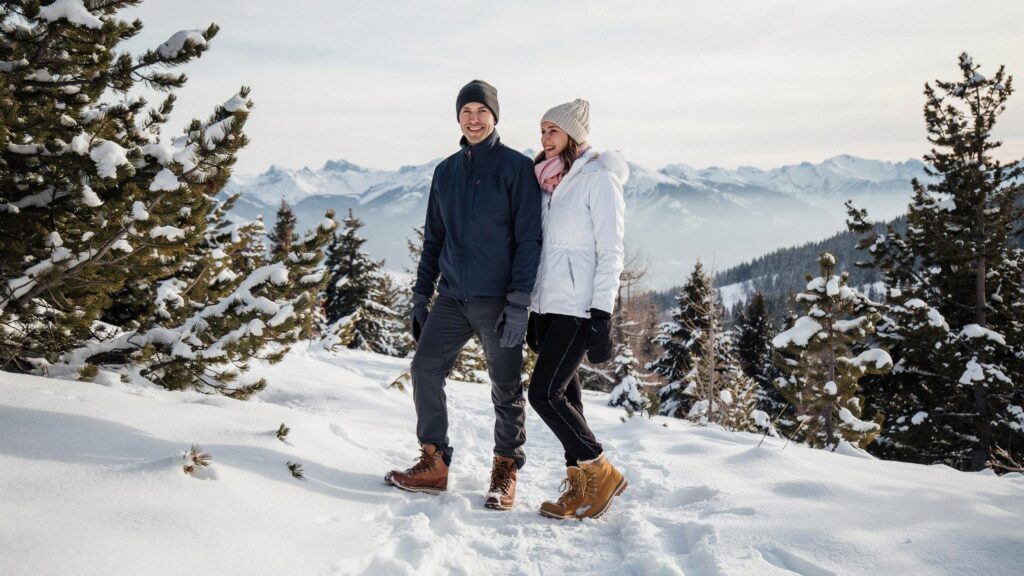
If you’re wondering what pants are best for cold weather, the answer depends on more than just warmth. The right pair should match your local climate, daily activities, and comfort preferences. While some people need warm winter pants for everyday use, others may require specialized options for hiking, work, or snow sports.Here are the most important factors to consider when choosing the best pants for cold weather.
Consider the Temperature
Start by thinking about the temperatures you’ll be facing. Mild winter days don’t require the same level of insulation as freezing or below-freezing conditions.
For cool weather, fleece-lined pants, thermal-lined jeans, or flannel-lined pants often provide enough warmth for everyday wear. However, if you regularly experience harsh winters or need pants for freezing weather, look for best insulated pants with thicker insulation and wind-blocking materials.
Matching the insulation level to the weather helps prevent both overheating and feeling too cold.
Match the Pants to Your Activity
Your daily activities play a major role in determining which pants will perform best.
For casual wear, warm casual pants, winter fashion pants, or comfortable winter pants provide enough insulation for commuting and everyday errands.
If you enjoy outdoor adventures, winter hiking pants, insulated hiking pants, and softshell pants offer better flexibility, breathability, and weather protection. For skiing or snowboarding, ski pants and snow pants provide maximum warmth and waterproof performance.
People who work outdoors should consider cold weather work pants, warm work pants, or insulated work pants, which are designed to withstand demanding conditions while allowing unrestricted movement.
Choose the Right Fit
A proper fit improves both comfort and warmth. Pants that are too tight can restrict movement and make layering difficult, while overly loose pants may allow cold air to circulate inside.
The ideal fit leaves enough room to comfortably wear thermal base layer pants underneath without feeling bulky. Many winter pants for men and winter pants for women are available in relaxed or regular fits that balance warmth and mobility.
Choosing the correct size also helps your insulation work more effectively by trapping warm air close to your body.
Check for Waterproof Features
Winter weather often includes snow, slush, and freezing rain. If your pants become wet, they lose much of their ability to keep you warm.
For everyday use in light snow, water-resistant pants usually provide sufficient protection. However, if you’ll spend extended time outdoors, waterproof winter pants offer a better barrier against moisture.
Waterproof designs are especially valuable for winter camping pants, winter outdoor pants, best pants for snow, and other activities where staying dry is essential.
Look for Breathable Materials
Warmth should never come at the expense of comfort. During physical activities, your body generates heat and moisture that need to escape.
High-quality breathable winter pants allow sweat vapor to leave while blocking cold air from entering. This keeps you dry during hiking, outdoor work, or long walks in cold weather.
Materials used in softshell pants and many weather-resistant pants provide an excellent balance of insulation and ventilation, reducing the risk of overheating.
Think About Layering Options
Layering is one of the most effective ways to stay warm during winter. Instead of relying only on thick outer pants, choose styles that work well with additional clothing underneath.
A pair of thermal base layer pants or fleece-lined leggings worn beneath your outer pants can significantly improve warmth without sacrificing comfort.
This approach is especially useful when wearing merino wool pants, heavyweight pants, or winter cargo pants in extremely cold climates.
Prioritize Durability
If you spend a lot of time outdoors, durability is just as important as insulation. Winter conditions can expose clothing to snow, ice, rough terrain, and frequent movement.
Look for durable winter pants with reinforced stitching, abrasion-resistant fabrics, and strong zippers. These features are particularly valuable for cold weather work pants, winter hiking pants, and pants for cold climates, where clothing experiences more wear and tear.
Well-made pants often last longer and continue performing well through multiple winter seasons.
Choose Fabrics That Match Your Needs
Different fabrics offer different advantages depending on how you’ll use your pants.
- Merino wool pants provide natural insulation and excellent moisture management.
- Fleece-lined pants deliver soft, lightweight warmth for everyday comfort.
- Thermal pants are ideal for cold daily conditions and layering.
- Windproof pants reduce heat loss in strong winds.
- Waterproof winter pants keep you dry during heavy snow and wet weather.
- Heavyweight pants offer additional insulation for colder climates.
Selecting the right fabric ensures your pants perform well in the conditions you’ll encounter most often.
Consider Comfort and Versatility
The best winter pants are those you’ll actually enjoy wearing. Look for features such as stretch fabrics, adjustable waistbands, articulated knees, and secure pockets that improve comfort throughout the day.
Whether you need winter travel pants, warm hiking pants, or winter outdoor clothing for extended adventures, choosing versatile pants allows you to use the same pair in multiple situations.
By considering temperature, activity, fit, weather protection, durability, and fabric quality, you’ll find the best pants for cold weather that meet your needs. The right pair will provide dependable warmth, dryness, and comfort whether you’re heading to work, hiking through snowy landscapes, or packing pants for cold weather travel essential cold weather gear.
Best Cold Weather Pants for Different Activities
If you’re wondering what pants are best for cold weather, the answer often depends on what you’ll be doing. A pair of pants that works well for daily commuting may not provide enough protection for hiking, skiing, or working outdoors. Choosing activity-specific pants ensures better comfort, warmth, and durability while helping you get the most out of your cold weather clothing.
Below are the best types of cold-weather pants for different winter activities.
Everyday Casual Wear
For everyday use, comfort and versatility are usually the top priorities. Warm casual pants, fleece-lined pants, and thermal-lined jeans provide reliable warmth without feeling bulky, making them ideal for commuting, shopping, or running errands.
Many people also prefer fleece-lined jeans because they combine the timeless appearance of denim with extra insulation. If you spend most of your day moving between outdoor temperatures and heated buildings, these options provide the right balance of warmth and breathability.
Both winter pants for men and winter pants for women are available in styles that combine comfort, flexibility, and everyday practicality.
Hiking and Camping
Cold-weather hiking and camping call for pants that provide reliable protection while allowing freedom of movement in changing weather conditions. Winter hiking pants and insulated hiking pants are designed with breathable materials that help regulate body temperature while protecting against cold air and light moisture.
Many hikers choose softshell pants because they offer excellent stretch, wind resistance, and comfort on uneven terrain. Pairing them with thermal base layer pants provides additional insulation during extremely cold hikes.
If you’re preparing your cold weather hiking gear, look for weather-resistant pants that dry quickly and allow unrestricted movement.
Snow Sports
Activities such as skiing, snowboarding, and sledding require specialized protection from snow, wind, and moisture.
Ski pants, snow pants, and waterproof winter pants are built with waterproof outer shells, insulated linings, and breathable fabrics that keep you warm while preventing overheating during physical activity.
If you’ll spend long hours on snowy slopes, choosing the best pants for snow with reinforced knees and sealed seams will improve both comfort and durability.
Outdoor Work
People who work outside need clothing that remains warm while standing up to demanding conditions. Cold weather work pants are designed with tough materials that resist wear while providing dependable insulation.
Many insulated work pants feature reinforced knees, multiple utility pockets, and abrasion-resistant fabrics that support construction, farming, maintenance, and other physically demanding jobs.
For workers exposed to freezing temperatures throughout the day, warm work pants and durable winter pants provide dependable comfort and long-lasting performance.
Traveling in Winter
Travel often requires pants that are warm, lightweight, and comfortable enough for extended periods of sitting or walking.
Winter travel pants should offer flexibility, wrinkle resistance, and enough insulation for changing weather conditions. Many travelers prefer comfortable winter pants made from breathable fabrics that perform well during flights, road trips, sightseeing, and outdoor activities.
If you’re packing pants for cold weather travel, choose styles that layer easily and can be worn in different environments without feeling bulky.
Hunting and Fishing
Hunting and fishing often involve long periods of sitting still in cold temperatures, making insulation one of the most important features.
Many outdoor enthusiasts choose best insulated pants, windproof pants, or heavyweight pants that retain body heat while protecting against cold winds. In wet environments, water-resistant pants or waterproof winter pants help keep moisture away from your clothing.
Selecting pants that combine warmth, quiet fabrics, and weather protection helps improve comfort during extended outdoor trips.
Winter Workouts and Walking
For walking, jogging, or other light outdoor exercise, you’ll want pants that provide warmth without trapping excess heat.
Thermal pants, lightweight breathable winter pants, and flexible softshell pants help maintain a comfortable body temperature while allowing moisture to escape.
These pants are also suitable for daily walks, winter fitness routines, and other low- to moderate-intensity outdoor activities.
Extreme Cold Conditions
When temperatures drop well below freezing, ordinary winter pants may not provide enough protection.
For pants for cold climates, choose heavily insulated pants or best insulated pants combined with thermal base layer pants for maximum warmth. Merino wool pants also perform exceptionally well because they naturally retain heat while managing moisture.
In severe winter weather, layering your pants properly is often more effective than relying on a single thick garment.
Selecting the Best Cold Weather Pants for Your Needs
The best pants for cold weather are the ones that match your daily activities and local climate. Whether you need winter outdoor pants for hiking, winter camping pants for overnight adventures, wool pants for winter for the office, or winter cargo pants for practical everyday use, selecting the right style will improve both comfort and performance.
By matching your pants to your specific activities, you’ll stay warmer, move more comfortably, and get better value from your winter apparel and other essential cold weather gear throughout the season.
Cold Weather Pants for Men vs. Women
If you’re wondering what pants are best for cold weather, it’s important to know that the ideal choice isn’t the same for everyone. While the materials and insulation technologies are often similar, winter pants for men and winter pants for women are designed with different fits, sizing, and performance features. The goal is the same for both—keeping you warm, dry, and comfortable—but the construction is tailored to provide a better fit for different body shapes and activities.
Winter Pants for Men
Winter pants for men are generally designed with a straighter cut, more room through the legs, and a slightly longer rise. This design allows for easier movement and makes it more comfortable to wear thermal base layer pants underneath when temperatures drop.
For everyday wear, many men prefer fleece-lined pants, thermal-lined jeans, or warm casual pants, as they provide dependable warmth without feeling bulky. For outdoor work, cold weather work pants, insulated work pants, and heavyweight pants offer extra durability and insulation for demanding conditions.
Men who enjoy outdoor adventures often choose winter hiking pants, insulated hiking pants, or softshell pants because they combine flexibility, breathability, and weather protection. If skiing or snowboarding is part of your winter routine, ski pants and waterproof winter pants provide reliable protection against snow, wind, and moisture
Winter Pants for Women
Winter pants for women are typically designed with a more contoured fit that follows the natural shape of the hips and legs while maintaining comfort and mobility. Many styles use stretch fabrics that improve flexibility without limiting movement.
Popular options include fleece-lined leggings, fleece-lined pants, and thermal pants, which provide warmth while remaining lightweight enough for daily wear. Women looking for office-friendly clothing often choose merino wool pants or wool pants for winter, as these fabrics offer natural insulation with a polished appearance.
For outdoor activities such as hiking, camping, or winter travel, winter outdoor pants, weather-resistant pants, and breathable winter pants help maintain comfort during changing weather conditions. In snowy environments, snow pants and the best pants for snow provide excellent insulation and waterproof protection.
Key Differences in Fit and Features
Although many winter pants use the same insulating materials, several design differences separate men’s and women’s styles.
- Fit: Men’s pants usually have a straighter cut, while women’s pants are often shaped to provide a closer, more ergonomic fit.
- Sizing: Measurements differ to accommodate different body proportions, ensuring better comfort and mobility.
- Stretch: Women’s styles frequently include more stretch for flexibility, while men’s designs often emphasize durability.
- Storage: Many winter cargo pants and warm work pants designed for men include larger utility pockets, whereas women’s designs may prioritize a streamlined appearance.
- Style: Winter fashion pants are available for both men and women, offering a combination of warmth and modern design for everyday wear.
Which Is the Better Choice?
The answer isn’t about whether men’s or women’s pants are warmer—it’s about choosing the style that fits your body and activities best. The best pants for cold weather should provide proper insulation, allow comfortable movement, and match the conditions you’ll face.
Whether you need pants for freezing weather, winter camping pants, pants for cold climates, or winter travel pants, prioritize warmth, fit, durability, and weather protection over appearance alone. By selecting the right pair for your needs, you’ll stay comfortable while making the most of your winter apparel, cold weather clothing, and other essential cold weather gear throughout the season.
Should You Layer Under Your Pants in Winter?
If you’re wondering what pants are best for cold weather, layering is one of the most effective ways to stay warm during winter. Even the best pants for cold weather may not provide enough insulation in freezing temperatures on their own. Wearing a base layer underneath helps trap body heat, improve comfort, and protect you from cold winds without requiring overly bulky outerwear.
Whether you’re wearing warm winter pants for daily use or specialized gear for outdoor activities, the right layering system can make a noticeable difference.
When Thermal Base Layers Are Necessary
Layering becomes especially important when temperatures fall below freezing or when you’ll be spending extended periods outdoors.
A pair of thermal base layer pants worn beneath insulated pants, fleece-lined pants, or thermal pants creates an additional layer of insulation that helps retain body heat. This combination is ideal for hiking, skiing, winter camping, outdoor work, and long periods of exposure to cold weather.
People who wear winter hiking pants, cold weather work pants, or winter outdoor pants often rely on thermal base layers to stay comfortable throughout the day. They’re also useful when traveling to colder regions and packing pants for cold weather travel, where weather conditions may change unexpectedly.
Best Materials for Base Layers
Choosing the right fabric is just as important as adding an extra layer. Base layers should provide warmth while allowing moisture to move away from your skin.
Merino wool pants and merino wool base layers are among the best choices because they naturally regulate temperature, wick moisture, and remain warm even in damp conditions. They’re lightweight, breathable, and suitable for both active and everyday winter wear.
Synthetic thermal pants made from polyester or similar performance fabrics are another excellent option. They dry quickly, provide reliable insulation, and work well beneath winter pants for men and winter pants for women.
For casual use, fleece-lined leggings offer soft, comfortable insulation under jeans, cargo pants, or other winter bottoms. They pair especially well with fleece-lined jeans, flannel-lined pants, and warm casual pants.
Avoid wearing standard cotton as your base layer in very cold conditions because it holds moisture instead of wicking it away, which can leave you feeling cold once you stop moving.
Avoid Wearing Too Many Layers
Although layering improves warmth, wearing too many layers can reduce comfort and limit movement. Excessive layers may also trap sweat, making you feel damp once your activity level decreases.
Instead of adding several thin layers, focus on building an efficient layering system. A moisture-wicking base layer combined with breathable winter pants, softshell pants, or best insulated pants usually provides enough warmth for most winter conditions.
For activities involving snow or wet weather, combine thermal base layer pants with waterproof winter pants, snow pants, or ski pants. If you’re working outdoors, pairing a quality base layer with insulated work pants or warm work pants offers excellent protection without unnecessary bulk.
Choose Layers Based on Your Activity
The amount of layering you need depends on both the weather and your activity level.
- For everyday errands, thermal-lined jeans or heavyweight pants may provide enough warmth on their own during mild winter weather.
- During hiking or camping, combine thermal base layer pants with insulated hiking pants or warm hiking pants for better protection against cold temperatures.
- For skiing or snowy conditions, wear a moisture-wicking base layer beneath snow pants or ski pants to stay warm and dry throughout the day.
- If you’re working outside, layer under cold weather work pants to improve insulation without sacrificing mobility.
Layer Smart for Maximum Comfort
The goal of layering isn’t to wear the most clothing—it’s to create an efficient system that keeps you warm, dry, and comfortable. The best winter pants perform even better when paired with the right base layer, especially in harsh winter conditions.
Whether you’re wearing wool pants for winter, weather-resistant pants, winter cargo pants, or pants for cold climates, proper layering helps you stay comfortable during daily activities and outdoor adventures. Combined with quality winter apparel, winter outdoor clothing, and other essential cold weather gear, layering is one of the simplest ways to improve your comfort throughout the winter season.
Features to Look for in Winter Pants
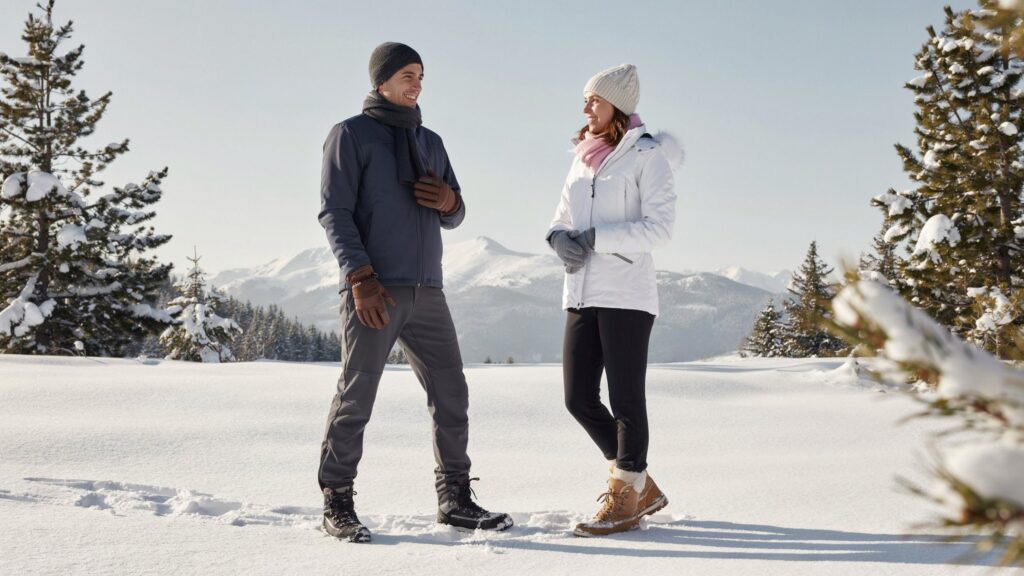
If you’re trying to decide what pants are best for cold weather, paying attention to the features is just as important as choosing the right fabric. The best pants for cold weather should do more than keep you warm—they should also provide comfort, durability, weather protection, and freedom of movement. Whether you’re buying warm winter pants for everyday use or specialized gear for outdoor adventures, the following features can help you make the right choice.
Fleece or Thermal Lining
A warm inner lining is one of the most valuable features in winter pants. Fleece-lined pants trap body heat while remaining soft and comfortable, making them an excellent choice for everyday wear. Similarly, thermal pants and thermal-lined jeans provide extra insulation without adding unnecessary bulk.
If you spend a lot of time outdoors, lined pants can help maintain warmth during long periods in cold weather. Many fleece-lined jeans also offer the classic denim look with improved insulation for winter.
Elastic Waistbands
A flexible waistband improves both comfort and fit, especially when wearing additional layers underneath.
Many winter pants for men and winter pants for women include partially elastic or adjustable waistbands that allow greater freedom of movement. This feature is particularly useful when wearing thermal base layer pants, as it helps prevent the waistband from feeling too tight.
Elastic waistbands also make winter pants more comfortable for traveling, walking, and daily activities.
Adjustable Cuffs
Adjustable ankle cuffs help keep cold air, snow, and moisture from entering your pants. This feature is especially valuable when wearing snow pants, ski pants, or waterproof winter pants in deep snow.
Many cuffs include zippers, snap buttons, or hook-and-loop closures that allow you to tighten the bottom of the pants around your boots. This simple feature improves warmth while preventing snow from getting inside your clothing.
Reinforced Knees
If you frequently hike, camp, or work outdoors, reinforced knees can significantly increase the lifespan of your pants.
Many cold weather work pants, winter hiking pants, insulated hiking pants, and winter cargo pants use extra fabric in high-wear areas to resist abrasion and tearing. Reinforced knees also provide additional support when kneeling on rough or frozen surfaces.
Choosing durable winter pants with reinforced construction helps ensure they remain reliable through multiple winter seasons.
Zippered Pockets
Secure storage is another useful feature to consider. Zippered pockets help protect your phone, wallet, keys, and other valuables while walking, hiking, or traveling.
Many winter outdoor pants, winter travel pants, and warm hiking pants include multiple zippered pockets that keep your essentials secure without restricting movement.
This feature is especially useful during outdoor activities where items can easily fall from open pockets.
Water-Repellent Finish
A durable water-repellent (DWR) coating helps prevent light rain, melting snow, and moisture from soaking into the fabric. While water-resistant pants handle light precipitation well, they are not completely waterproof.
If you’ll be spending time in heavy snow or wet conditions, waterproof winter pants offer greater protection. However, for everyday winter use, a water-repellent finish often provides enough resistance to keep you dry and comfortable.
Many windproof pants, softshell pants, and weather-resistant pants combine this finish with breathable fabrics for improved all-weather performance.
Breathability
Warmth is important, but your winter pants should also allow excess heat and moisture to escape. Without proper ventilation, sweat can build up inside your clothing, making you feel damp and uncomfortable.
High-quality breathable winter pants help regulate body temperature during activities like hiking, outdoor work, or winter walking. This feature is especially valuable when wearing best insulated pants or other heavily insulated designs.
Wind Protection
Cold wind can quickly reduce your body temperature, even when you’re wearing insulated clothing. Pants with wind-resistant outer fabrics help block chilly air while maintaining comfort.
Windproof pants are an excellent option for people who spend time hiking, working outdoors, or participating in winter sports. Combined with insulation, wind protection significantly improves overall warmth.
Flexibility and Comfortable Fit
The best winter pants should keep you warm without limiting your movement. Stretch fabrics, articulated knees, and ergonomic designs make it easier to walk, climb, squat, or sit comfortably.
Whether you’re wearing wool pants for winter, warm casual pants, heavyweight pants, or comfortable winter pants, flexibility helps improve comfort throughout the day.
Choose Features That Match Your Needs
Not every winter activity requires the same features. For everyday wear, fleece-lined pants, winter fashion pants, or flannel-lined pants may be all you need. For outdoor adventures, prioritize weather-resistant pants, softshell pants, and insulated pants with breathable, waterproof, and windproof protection.
If you’re preparing for winter camping pants, pants for freezing weather, pants for cold climates, or best pants for outdoor winter activities, investing in high-quality features will improve warmth, durability, and long-term comfort. The right combination of features ensures your cold weather clothing, winter apparel, and cold weather gear perform well in a variety of winter conditions, whether you’re commuting, hiking, working outdoors, or packing pants for cold weather travel.
Common Mistakes to Avoid When Buying Cold Weather Pants
If you’re wondering what pants are best for cold weather, avoiding common buying mistakes is just as important as choosing the right style. Many people focus only on appearance or price and overlook features that affect warmth, comfort, and performance. Whether you’re shopping for warm winter pants for everyday use or specialized outdoor gear, making informed decisions will help you stay comfortable throughout the winter season.
Choosing Style Over Warmth
One of the biggest mistakes is buying winter pants based only on appearance. While winter fashion pants can look stylish, they may not provide enough insulation for cold temperatures.
Instead, look for features such as fleece-lined pants, thermal pants, or insulated pants that offer reliable warmth. If you live in a region with harsh winters, prioritize performance over fashion to ensure your pants keep you comfortable in cold weather.
Ignoring Fabric Quality
The fabric plays a major role in determining how warm and durable your pants will be. Choosing thin or low-quality materials often results in poor insulation and a shorter lifespan.
High-quality fabrics like merino wool pants, wool pants for winter, softshell pants, and heavyweight pants provide better heat retention and durability. Depending on your needs, weather-resistant pants and water-resistant pants can also improve comfort in changing winter conditions.
Before purchasing, check the fabric composition and construction to make sure the pants are suitable for the temperatures you’ll experience.
Buying the Wrong Size
A poor fit can reduce both comfort and warmth. Pants that are too tight may restrict movement and leave little room for layering, while overly loose pants can allow cold air to circulate inside.
Choose winter pants for men or winter pants for women that fit comfortably while leaving enough space for thermal base layer pants when needed. A proper fit also helps insulated materials trap warm air more effectively.
Trying the pants on with your typical winter footwear and base layers can help you select the right size.
Forgetting About Waterproofing
Many buyers underestimate the importance of moisture protection during winter. Dry snow, slush, and freezing rain can quickly soak ordinary pants, making you feel colder.
For everyday use, water-resistant pants are often sufficient. However, if you spend time skiing, hiking, or working in snowy conditions, waterproof winter pants, snow pants, or ski pants provide much better protection against moisture.
Keeping your clothing dry is one of the most effective ways to stay warm during winter.
Overlooking Breathability
Warm pants should also allow moisture and excess heat to escape. Without proper ventilation, sweat can build up inside your clothing, leaving you damp and uncomfortable.
Choose breathable winter pants that balance insulation with airflow. This feature is especially important for winter hiking pants, insulated hiking pants, warm hiking pants, and cold weather work pants, where physical activity increases body heat.
Breathable fabrics help maintain a comfortable temperature during both active and everyday use.
Not Matching Pants to Your Activity
Another common mistake is buying one type of winter pants for every situation. Different activities require different features.
For casual wear, warm casual pants, thermal-lined jeans, or flannel-lined pants may be all you need. Outdoor workers often benefit from insulated work pants or warm work pants, while hikers and campers should consider winter outdoor pants or winter camping pants designed for changing weather conditions.
Choosing activity-specific pants improves comfort, mobility, and overall performance.
Ignoring Wind Protection
Cold wind can make moderate temperatures feel much colder. Some buyers focus only on insulation and forget that wind resistance is equally important.
Windproof pants help reduce heat loss by blocking cold air from reaching your body. Combined with quality insulation, they provide excellent protection for hiking, winter travel, and outdoor work.
If you frequently experience windy conditions, wind resistance should be one of your top priorities.
Buying Cheap Instead of Durable
Low-priced winter pants may seem like a good deal, but they often wear out quickly or lose their insulating performance after repeated use.
Investing in durable winter pants with reinforced stitching, quality zippers, and abrasion-resistant materials usually provides better long-term value. This is especially important for winter cargo pants, best insulated pants, and best pants for outdoor winter activities, which are designed for frequent use in demanding environments.
Forgetting About Layering
Some people buy oversized insulated pants because they assume thicker always means warmer. In reality, a good layering system often provides better temperature control.
Choose pants that allow room for thermal base layer pants or fleece-lined leggings when temperatures become extremely cold. Layering gives you more flexibility and allows you to adjust your clothing as weather conditions change.
Focusing Only on Price
Price shouldn’t be the only factor when choosing winter pants. A slightly higher-quality pair often delivers better insulation, durability, comfort, and weather protection, making it a smarter investment over time.
Whether you’re looking for best pants for snow, pants for cold climates, winter travel pants, or everyday comfortable winter pants, consider the overall quality, features, and intended use before making your purchase.
By avoiding these common mistakes, you’ll have a much better chance of finding the best pants for cold weather that suit your needs. The right choice will provide dependable warmth, comfort, and protection while complementing your winter apparel, cold weather clothing, and other essential cold weather gear throughout the season.
How to Care for Cold Weather Pants
Knowing what pants are best for cold weather is only part of the equation. Proper care is just as important if you want your winter pants to stay warm, comfortable, and durable for years. Whether you own fleece-lined pants, waterproof winter pants, or merino wool pants, following the right cleaning and storage methods helps preserve their insulation and overall performance.
Below are the best practices for caring for your cold-weather pants.
Washing Insulated Pants
Always read the care label before washing your winter pants. Different materials require different cleaning methods, and using the wrong settings can damage the insulation or protective coatings.
Most insulated pants, thermal pants, and softshell pants should be washed in cold or lukewarm water using a gentle cycle. A mild detergent is usually the safest option because harsh chemicals can weaken fabrics and reduce their ability to retain warmth.
Avoid using fabric softeners on breathable winter pants and waterproof garments, as they can clog the fabric’s pores and reduce moisture management.
If you’re washing winter hiking pants, cold weather work pants, or winter cargo pants, remove loose dirt and empty all pockets before placing them in the washing machine.
Drying Without Damaging Insulation
Drying winter pants correctly is just as important as washing them. High heat can damage insulation, shrink fabrics, and reduce the effectiveness of waterproof coatings.
Whenever possible, air-dry warm winter pants, fleece-lined pants, and flannel-lined pants in a well-ventilated area. If the care label allows machine drying, use the lowest heat setting to minimize the risk of damage.
For merino wool pants and wool pants for winter, laying them flat to dry helps maintain their original shape and prevents unnecessary stretching.
Proper drying helps preserve the insulation in best insulated pants, allowing them to continue performing well throughout future winters.
Storing Winter Pants Properly
At the end of the winter season, store your pants only after they’ve been thoroughly cleaned and completely dried. Dirt, body oils, and moisture left in the fabric can lead to unpleasant odors, stains, or mildew during storage.
Fold winter pants for men, winter pants for women, and comfortable winter pants neatly and keep them in a cool, dry place away from direct sunlight. Avoid storing them in damp basements or humid areas, as excess moisture can damage fabrics over time.
If you’re storing heavyweight pants, snow pants, or ski pants, avoid placing heavy items on top of them for long periods, as excessive compression may reduce the loft of the insulation.
Restoring Water-Repellent Coatings
Many weather-resistant pants, water-resistant pants, and waterproof winter pants are treated with a durable water-repellent (DWR) finish that helps moisture bead up and roll off the fabric.
After repeated washing and regular use, this protective coating gradually wears away. If you notice that water is soaking into the fabric instead of forming droplets, it may be time to restore the finish using a spray-on or wash-in water-repellent treatment designed for technical outdoor clothing.
Keeping the water-repellent finish in good condition helps your winter outdoor pants, winter camping pants, and best pants for snow continue providing reliable protection in wet and snowy weather.
Remove Stains Promptly
Winter pants often come into contact with mud, road salt, snow, and grease. Cleaning stains as soon as possible prevents them from setting into the fabric and becoming more difficult to remove.
Use a gentle stain remover that’s safe for technical fabrics, especially when cleaning insulated hiking pants, warm work pants, or durable winter pants. Avoid scrubbing aggressively, as this can damage the outer fabric or protective finish.
Regular spot cleaning also reduces the need for frequent full washes, helping your pants last longer.
Avoid Excessive Washing
Although it’s important to keep winter pants clean, washing them too often can shorten their lifespan. Frequent laundering may gradually reduce insulation performance and wear down water-repellent finishes.
Unless the pants are heavily soiled, consider spot cleaning or wiping away surface dirt after each use. This approach works well for warm casual pants, thermal-lined jeans, fleece-lined jeans, and other winter pants that aren’t exposed to harsh outdoor conditions every day.
Inspect for Damage Regularly
Take a few minutes to inspect your winter pants throughout the season. Check for loose stitching, damaged zippers, worn seams, or small tears that could become larger over time.
Repairing minor issues early helps extend the life of cold weather clothing and prevents costly replacements. This is especially important for pants for cold climates, best pants for outdoor winter activities, and other technical garments that experience heavy use.
Care for Base Layers Separately
If you wear thermal base layer pants or fleece-lined leggings, wash them separately from heavier outer garments whenever possible. Lightweight base layers often require gentler wash cycles and faster drying methods to maintain their elasticity and moisture-wicking performance.
Proper care ensures your layering system continues to provide maximum comfort during cold weather.
Proper Care Helps Winter Pants Last Longer
Taking good care of your winter pants protects their insulation, weather resistance, and overall comfort. Whether you wear windproof pants, winter travel pants, warm hiking pants, or everyday winter apparel, following the correct washing, drying, and storage practices helps maintain their performance season after season.
With regular maintenance, your best pants for cold weather will continue providing dependable warmth and protection, making them a valuable part of your cold weather gear for many winters to come.
FAQs
What pants are best for cold weather?
The best pants for cold weather depend on your activities and the temperatures you’ll face. For everyday wear, fleece-lined pants, thermal-lined jeans, and wool pants provide excellent warmth. If you’re hiking, skiing, or working outdoors, insulated, windproof, or waterproof winter pants offer better protection against harsh weather.
Can Fleece-Lined Pants Keep You Warm in Winter?
Yes, fleece-lined pants are warm enough for many winter conditions, especially for daily activities like commuting, walking, or running errands. In extremely cold temperatures, wearing thermal base layer pants underneath can provide additional insulation and improve overall comfort.
Which fabric keeps you the warmest in winter pants?
Merino wool, fleece, and synthetic insulation are among the warmest materials for winter pants. Merino wool naturally regulates body temperature, fleece traps body heat while remaining lightweight, and insulated fabrics provide excellent warmth for freezing weather and outdoor activities.
Should winter pants be waterproof or water-resistant?
It depends on how you’ll use them. Water-resistant pants are suitable for light snow and occasional moisture, while waterproof winter pants are the better choice for skiing, snowboarding, winter hiking, or spending long periods in wet and snowy conditions.
How can I make my winter pants last longer?
To extend the life of your winter pants, follow the care instructions on the label, wash them with a mild detergent, avoid high dryer heat, and store them in a clean, dry place. Reapplying a water-repellent treatment when needed also helps maintain their performance in winter weather.
Conclusion
Understanding what pants are best for cold weather helps you stay warm, comfortable, and prepared for every winter activity. The right pair depends on factors such as the temperature, your planned activities, the fabric, insulation, and weather protection. Whether you prefer fleece-lined pants for everyday comfort, insulated pants for outdoor adventures, or waterproof winter pants for snowy conditions, choosing the right features can make a significant difference.
Don’t overlook the importance of proper layering, selecting the correct fit, and caring for your winter pants to extend their lifespan and maintain their performance. By investing in high-quality warm winter pants that match your needs, you’ll enjoy better comfort, durability, and protection throughout the season. With the right choice, you can confidently face cold weather while staying warm, dry, and ready for whatever winter brings.