

Introduction
How to soften stiff cotton pants is a common question for anyone who wants their favorite pair to feel more comfortable without damaging the fabric. Whether your cotton pants are brand new, have become stiff after washing, or feel rough because of detergent buildup or hard water, the good news is that there are several simple and effective ways to restore their softness.
In this guide, you’ll learn why cotton pants become stiff, the best methods to soften them naturally, common mistakes to avoid, and practical care tips to keep them soft after every wash. By following these easy techniques, you can improve comfort, protect the fabric, and extend the life of your cotton pants.
Quick Answer: How to Soften Stiff Cotton Pants
If you’re wondering how to soften stiff cotton pants, the quickest and safest method is to wash them with a small amount of detergent, add ½ cup of white vinegar to the rinse cycle, and dry them on low heat with dryer balls if available. White vinegar helps dissolve detergent residue and mineral buildup that can make cotton feel rough, while low-heat drying gently relaxes the fibers without causing damage.
If your pants are brand new, they may feel stiff because of fabric finishes applied during manufacturing. A wash or two usually removes these finishes and makes the fabric noticeably softer. If the stiffness is caused by hard water or too much detergent, reducing the amount of detergent and running an extra rinse cycle can also improve the fabric’s feel.
For naturally softer cotton pants over time, avoid excessive heat, don’t overload the washing machine, and wear the pants regularly. Cotton fibers become more flexible with proper care and repeated use, making the fabric increasingly comfortable without sacrificing durability.
Why Do Cotton Pants Become Stiff?
Before learning how to soften stiff cotton pants, it helps to understand why they become stiff in the first place. Cotton is a natural fiber that is breathable and comfortable, but several factors can make it feel rough or rigid over time. Identifying the cause will help you choose the most effective solution.
New Fabric Finishes
New cotton pants often feel stiff because manufacturers apply finishing agents such as starches, resins, or protective coatings during production. These treatments help the pants keep their shape, resist wrinkles, and look crisp on store shelves. After one or two washes, most of these finishes are removed, allowing the cotton fibers to become softer and more flexible.
Detergent Residue
Using more detergent than necessary is one of the most common reasons cotton pants become stiff. When excess detergent doesn’t rinse out completely, it leaves behind a residue that coats the fibers. This buildup makes the fabric feel rough instead of soft. Using the recommended amount of detergent and selecting an extra rinse cycle can help prevent this problem.
Hard Water Minerals
If you live in an area with hard water, minerals like calcium and magnesium can accumulate in the fabric during washing. Over time, these mineral deposits make cotton pants feel coarse and less comfortable. Washing with white vinegar occasionally can help dissolve mineral buildup and restore softness.
Line Drying in Direct Sunlight
Air drying is generally good for cotton, but leaving pants in direct sunlight for too long can make the fabric feel stiff. As the moisture evaporates, the fibers may dry in a rigid position, resulting in a rough texture. Gently shaking the pants before hanging them and finishing them in a dryer on low heat for a few minutes can help soften the fabric.
High Heat During Washing and Drying
High temperatures can cause cotton fibers to contract, leaving the fabric feeling firmer and less supple. Washing in very hot water or using a high-heat dryer repeatedly may reduce the softness of your pants over time. Warm or cold water and low-heat drying are usually better choices for maintaining a soft feel.
Fabric Quality and Weave
Not all cotton fabrics are made the same. Heavyweight cotton, canvas, twill, and tightly woven materials naturally feel firmer than lightweight cotton. Higher-quality cotton fibers typically soften with repeated washing and regular wear, while lower-quality fabrics may remain stiff for longer.
Understanding these causes makes it much easier to decide how to soften stiff cotton pants using the right care methods. In most cases, simple adjustments to your washing and drying routine can significantly improve the softness and comfort of your cotton pants over time.
10 Best Ways to Soften Stiff Cotton Pants
If you’re looking for how to soften stiff cotton pants, the good news is that you don’t need expensive products or complicated techniques. In most cases, a few simple changes to your washing and drying routine can make a noticeable difference. Below are ten effective methods that help restore softness while protecting the quality and lifespan of your cotton pants.
1. Wash Before First Wear
New cotton pants often feel stiff because manufacturers apply finishing treatments to improve their appearance and durability during shipping and display. Washing them before wearing removes much of this coating, allowing the fibers to relax naturally. Use a gentle cycle with cold or warm water and follow the care label for the best results.
2. Use White Vinegar Instead of Fabric Softener
White vinegar is one of the safest and most effective natural fabric softeners. Add about ½ cup of distilled white vinegar to the rinse cycle. It helps dissolve detergent residue and hard water minerals that make cotton feel rough. After the pants have completely dried, any vinegar scent fades away, leaving the cotton feeling softer and more comfortable.
3. Reduce the Amount of Laundry Detergent
Using more detergent does not make clothes cleaner. Instead, excess detergent can remain trapped in the fabric, creating a stiff texture. Measure the detergent according to the manufacturer’s instructions and adjust the amount if you have a high-efficiency washing machine or a small load.
4. Add Baking Soda During Washing
Baking soda helps remove buildup while naturally softening cotton fibers. Add ½ cup of baking soda directly to the washing drum before starting the cycle. It also helps neutralize odors and improves the overall freshness of your cotton pants without using harsh chemicals.
5. Tumble Dry on Low Heat
Drying cotton pants on low heat allows the fibers to relax gently without becoming brittle. High heat can tighten the fibers and make the fabric feel stiff over time. If possible, remove the pants while they are still slightly damp to prevent overdrying.
6. Air Dry, Then Fluff in the Dryer
Air drying is gentle on cotton, but it can sometimes leave the fabric feeling firm. After the pants are almost completely dry, place them in the dryer for 10–15 minutes on a low-heat or air-fluff setting. This helps loosen the fibers and creates a softer finish.
7. Massage and Flex the Fabric by Hand
If your cotton pants still feel stiff after washing, gently knead, twist, and flex the fabric with your hands. This simple technique helps break up stiffness and encourages the fibers to become more flexible. It’s especially useful for thicker cotton fabrics like twill or canvas.
8. Wash with Similar Soft Cotton Clothing
Washing cotton pants together with soft items like cotton T-shirts or towels creates gentle friction during the wash cycle. This natural movement helps loosen the fibers without damaging the fabric. Avoid washing them with heavy garments that have zippers, hooks, or rough materials.
9. Wear Your Cotton Pants Regularly
One of the easiest ways to soften cotton is simply by wearing it. Everyday movement naturally relaxes the fibers, making the fabric more comfortable over time. High-quality cotton pants usually become softer with each wash and wear while maintaining their strength.
10. Repeat the Process if Needed
Some cotton fabrics, especially heavyweight twill or canvas, may not soften after a single wash. If the pants are still stiff, repeat the vinegar rinse or baking soda treatment during the next laundry cycle. Gradual care is much safer than using harsh chemicals or extreme heat, which can weaken the fabric.
Final Tip
When learning how to soften stiff cotton pants, patience is important. Cotton naturally becomes softer with proper washing, gentle drying, and regular use. By following these simple methods, you can improve comfort without reducing the durability or appearance of your favorite cotton pants.
Methods to Avoid
When learning how to soften stiff cotton pants, it’s just as important to know which methods can do more harm than good. While some shortcuts may seem effective, they can damage the fabric, reduce its lifespan, or even make the pants feel stiffer over time. Avoid the following mistakes to keep your cotton pants in excellent condition.
Using Too Much Fabric Softener
It may seem like adding extra fabric softener will make your pants softer, but that’s not always true. Excessive fabric softener can leave a waxy coating on cotton fibers. Over time, this buildup traps dirt and detergent residue, making the fabric feel heavy and less breathable. Use fabric softener sparingly or choose natural alternatives like white vinegar.
Using Bleach on Colored Cotton
Bleach is designed to remove stains and whiten fabrics, not soften them. On colored cotton pants, it can fade the color and gradually weaken the fibers. Repeated use may cause the fabric to become rough, thin, and more prone to tearing. Unless the care label specifically recommends it, avoid using bleach on your cotton pants.
Drying on High Heat
High dryer temperatures can remove too much moisture from cotton, causing the fibers to tighten and feel rigid. This not only reduces softness but may also increase the risk of shrinkage. For better results, dry cotton pants on a low-heat setting or remove them while they’re slightly damp and let them finish air drying.
Boiling the Pants
Some people suggest boiling cotton clothing to soften it, but this method is risky. Extremely hot water can cause shrinkage, fade colors, and weaken the fabric over time. The potential damage usually outweighs any temporary improvement in softness.
Using Harsh Chemical Treatments
Strong chemical products that promise instant fabric softening can break down cotton fibers with repeated use. While the pants may feel softer at first, these chemicals can reduce durability and shorten the garment’s lifespan. It’s safer to stick with gentle laundry practices and natural softening methods.
Final Tip
If you’re trying to figure out how to soften stiff cotton pants, avoid quick fixes that could damage the fabric. Gentle washing, proper drying, and simple natural solutions are far more effective for keeping your cotton pants soft, comfortable, and long-lasting.

How to Keep Cotton Pants Soft After Every Wash
Once you’ve learned how to soften stiff cotton pants, the next step is keeping them soft after every wash. Proper laundry habits can prevent stiffness from returning and help your cotton pants stay comfortable, durable, and in great condition for years. Here are some simple practices to follow.
Wash in Cold or Warm Water
Cotton doesn’t usually need hot water for regular cleaning. Washing your pants in cold or warm water helps protect the fibers from unnecessary stress while still removing dirt and everyday stains. Lower temperatures also reduce the risk of shrinkage and help maintain the fabric’s natural softness.
Use the Right Amount of Detergent
More detergent doesn’t mean cleaner clothes. Using too much can leave residue behind, making cotton pants feel stiff after drying. Always follow the detergent manufacturer’s instructions and adjust the amount based on your load size and the washing machine type. If you notice residue, run an extra rinse cycle to remove any leftover soap.
Avoid Overloading the Washing Machine
Overfilling the washing machine limits the flow of water and detergent, making it harder for clothes to wash and rinse properly. As a result, cotton pants may not rinse thoroughly, leaving behind detergent and mineral deposits. Washing medium-sized loads gives your pants enough room to move freely, resulting in cleaner and softer fabric.
Dry Your Pants Properly
The way you dry your cotton pants plays an important role in maintaining their softness. When using a dryer, choose a low-temperature setting to help keep the cotton fibers relaxed. If you prefer air drying, gently shake the pants before hanging them to loosen the fabric. You can also place them in the dryer for a few minutes on an air-fluff or low-heat cycle after air drying to improve softness.
Store Cotton Pants Correctly
Proper storage helps preserve the softness of your cotton pants between wears. Make sure the pants are completely dry before folding or hanging them to prevent moisture buildup and unpleasant odors. Store them in a cool, dry place away from excessive humidity, which can affect the fabric over time.
Wash Pants Inside Out
Turning cotton pants inside out before washing helps reduce friction on the outer surface of the fabric. This simple habit protects the material from unnecessary wear while helping maintain its smooth texture and appearance after repeated washes.
Avoid Overwashing
Unless your pants are heavily soiled, you don’t need to wash them after every wear. Frequent washing can gradually wear down cotton fibers and reduce their softness. Spot-clean minor stains when possible and wash only when necessary to extend the life of the fabric.
Use Dryer Balls
If you use a clothes dryer, adding wool or reusable dryer balls can help separate the fabric during the drying cycle. This improves airflow, reduces stiffness, and naturally softens cotton without relying on chemical fabric softeners.
Final Tip
The best way to maintain soft cotton clothing is to develop consistent laundry habits. By using the correct washing temperature, avoiding detergent buildup, drying with care, and storing your pants properly, you’ll spend less time searching for how to soften stiff cotton pants because your favorite pair will stay soft, comfortable, and ready to wear after every wash.
Does Fabric Softener Really Help?
If you’re researching how to soften stiff cotton pants, you may wonder whether fabric softener is the best solution. The answer is yes—but only when used correctly. Fabric softener can make cotton pants feel smoother and reduce static, but it isn’t always the most effective or healthiest option for long-term fabric care.
Pros of Fabric Softener
When used in moderation, fabric softener offers several benefits for cotton pants:
- Makes the fabric feel softer and smoother.
- Helps reduce static electricity after drying.
- Minimizes wrinkles, making pants easier to iron.
- Gives your clothes a clean, refreshing fragrance after every wash.
- Reduces friction between fibers, which can make garments feel more comfortable to wear.
For cotton pants that occasionally feel rough, fabric softener can provide a quick improvement in texture.
Cons of Fabric Softener
Despite its benefits, fabric softener also has some drawbacks that are worth considering.
- Over time, it can leave a coating on cotton fibers.
- Residue buildup may reduce the fabric’s breathability.
- It can make highly absorbent cotton less effective at absorbing moisture.
- Using too much may trap dirt and detergent residue in the fabric.
- Frequent use may require deeper cleaning to remove accumulated buildup.
Because of these disadvantages, relying on fabric softener after every wash isn’t always the best approach.
Better Natural Alternatives
If your goal is how to soften stiff cotton pants naturally, there are several effective alternatives that don’t leave residue behind.
- White vinegar: Add about ½ cup during the rinse cycle to dissolve detergent and mineral buildup while naturally softening the fabric.
- Baking soda: Use ½ cup during the wash cycle to help remove residue and relax cotton fibers.
- Dryer balls: Wool or reusable dryer balls improve airflow in the dryer, helping soften fabric without chemicals.
- Proper laundry habits: Using the correct amount of detergent, avoiding high heat, and not overloading the washing machine can keep cotton pants soft wash after wash.
Final Verdict
Fabric softener can help soften cotton pants, but it isn’t a permanent solution. When used occasionally and according to the product instructions, it can improve comfort and reduce static. However, for long-lasting softness, natural methods and proper garment care are usually more effective. If you’re looking for the best answer to how to soften stiff cotton pants, combining gentle washing techniques with natural softening methods will provide the best results while keeping your cotton pants comfortable and durable.
Can You Soften New Cotton Pants Without Washing?
Yes, you can make new cotton pants feel softer without washing them, although the results may not be as noticeable as a full wash. If you’ve just purchased a new pair and want to know how to soften stiff cotton pants without running them through the washing machine, there are a few gentle methods you can try. These techniques help relax the fibers while protecting the fabric’s color, shape, and finish.
Use a Garment Steamer
A garment steamer is one of the safest ways to loosen stiff cotton fibers. Hang the pants on a sturdy hanger and slowly move the steamer over the fabric, keeping it a few inches away from the material. The warm steam helps relax the fibers, making the pants feel more flexible without exposing them to a full wash cycle.
Gently Stretch and Flex the Fabric
You can also soften cotton by working the fabric with your hands. Lightly bend, fold, and massage different areas of the pants, especially around the thighs, knees, and waistband where the material may feel the stiffest. This gentle movement helps reduce rigidity without damaging the fibers.
Use the Air-Fluff Setting on Your Dryer
If your dryer has an air-fluff or no-heat setting, place the pants inside for 10–15 minutes. Since no heat is used, the fabric tumbles freely, helping loosen the fibers and reduce stiffness. Adding a couple of clean dryer balls can improve the results by increasing movement inside the drum.
Wear Them Around the House
One of the simplest ways to soften new cotton pants is to wear them for short periods. Your body heat and natural movement gradually relax the cotton fibers, allowing the fabric to mold to your shape. With regular wear, the cotton fibers gradually loosen, making the pants feel softer and more comfortable over time.
Lightly Mist the Fabric
If the pants feel especially stiff, lightly mist them with clean water using a spray bottle. Avoid soaking the fabric. Once lightly damp, gently stretch and smooth the material with your hands, then allow it to air dry naturally. This can help the fibers relax without putting the pants through a complete wash.
Final Tip
These methods can improve the feel of new cotton pants, but they won’t remove factory finishes or detergent residue. If the fabric remains stiff after trying these techniques, washing the pants according to the care label is usually the most effective solution. For anyone searching for how to soften stiff cotton pants, combining gentle fabric care with proper washing habits will deliver the softest and longest-lasting results.
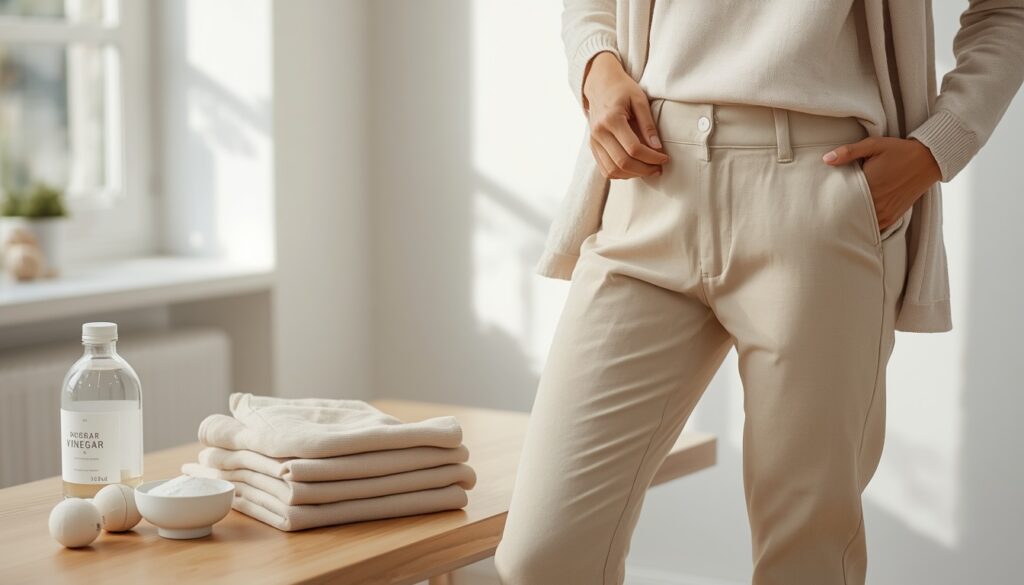
Common Mistakes That Make Cotton Pants Stiffer
If you’ve already learned how to soften stiff cotton pants but your pants still feel rough after washing, your laundry routine could be the reason. Many people unknowingly make mistakes that leave cotton fabric feeling stiff instead of soft. Avoiding these common habits will help keep your cotton pants comfortable and extend their lifespan.
Using Too Much Detergent
One of the biggest mistakes is adding more detergent than necessary. Excess soap doesn’t always rinse out completely and can leave a layer of residue on the fabric. Over time, this buildup makes cotton pants feel rough, reduces breathability, and attracts more dirt. Always measure detergent according to the product instructions and your load size.
Skipping the Extra Rinse Cycle
If detergent or hard water minerals remain in the fabric after washing, your cotton pants may dry with a stiff texture. Running an extra rinse cycle helps wash away leftover residue, leaving the fibers cleaner and softer. This step is especially helpful if you use concentrated detergent or live in an area with hard water.
Drying on High Heat
Excessive dryer heat is another common cause of stiff cotton fabric. High temperatures can remove too much moisture from the fibers, making them tighter and less flexible. To maintain softness, use a low-heat setting or remove the pants while they are still slightly damp and allow them to finish air drying.
Overdrying the Fabric
Leaving cotton pants in the dryer longer than necessary can make them feel dry and rigid. Once all the moisture has evaporated, the fibers become less flexible. Removing the pants promptly at the end of the drying cycle helps preserve their natural softness and reduces unnecessary wear.
Overloading the Washing Machine
When the washing machine is packed too full, clothes cannot move freely. This prevents detergent from dissolving properly and makes it harder for water to rinse away soap and dirt. As a result, cotton pants may come out feeling stiff and not completely clean. Wash medium-sized loads for better cleaning and softer fabric.
Ignoring Hard Water Problems
Hard water contains minerals that gradually build up on cotton fibers. If this buildup isn’t removed, the fabric can become rough and lose its softness over time. If you have hard water, consider using white vinegar occasionally during the rinse cycle or installing a water softener to reduce mineral deposits.
Washing with Rough or Heavy Items
Washing cotton pants together with heavy garments, such as denim, workwear, or items with metal zippers, increases friction during the wash cycle. This can make the fabric wear out faster and feel rougher. Wash cotton pants with similar lightweight fabrics whenever possible.
Not Following the Care Label
Every pair of cotton pants is made differently. Ignoring the care instructions can lead to unnecessary shrinkage, stiffness, or damage. Always check the garment’s care label for the recommended washing temperature, drying method, and ironing instructions.
Final Tip
The best answer to how to soften stiff cotton pants isn’t just adding a softening product—it’s avoiding the habits that make the fabric stiff in the first place. By using the right amount of detergent, rinsing thoroughly, drying with care, and following proper laundry practices, you can keep your cotton pants soft, comfortable, and looking their best for years.
FAQs
How many washes does it take for stiff cotton pants to become soft?
Most cotton pants begin to feel softer after two to five washes, depending on the fabric quality and weave. Heavyweight cotton, such as canvas or twill, may take longer to break in. Following proper washing and drying techniques can speed up the softening process.
Is white vinegar safe to use on all cotton pants?
Yes, distilled white vinegar is generally safe for most cotton pants when used in moderation during the rinse cycle. It helps remove detergent residue and hard water minerals without damaging the fabric. However, it’s always a good idea to check the garment’s care label before trying any laundry treatment.
Why do my cotton pants feel stiff after air drying?
Cotton pants can become stiff after air drying because the fibers dry in a fixed position, especially in dry or windy conditions. Gently shaking the pants before hanging them and using a short low-heat or air-fluff dryer cycle afterward can help restore softness.
Can frequent washing damage the softness of cotton pants?
Yes, washing cotton pants more often than necessary can gradually wear down the fibers and reduce their natural softness. Washing only when needed, using a gentle cycle, and avoiding harsh detergents will help keep the fabric comfortable and long-lasting.
What’s the best long-term way to keep cotton pants soft?
The best long-term approach is to use the correct amount of detergent, wash with cold or warm water, avoid high dryer heat, and occasionally remove detergent or mineral buildup with natural solutions like white vinegar. Consistent fabric care will help your cotton pants stay soft after every wash.
Conclusion
Knowing how to soften stiff cotton pants doesn’t require expensive products or complicated laundry routines. In most cases, simple changes—such as using the right amount of detergent, washing with cold or warm water, avoiding high heat, and occasionally using natural softening methods like white vinegar—can make a noticeable difference in how your cotton pants feel.
Just as important, avoiding common mistakes like overdrying, detergent buildup, and improper washing habits will help maintain the fabric’s softness over time. Whether your pants are brand new or have become stiff after repeated washes, consistent care can restore their comfort without compromising their durability.
By applying the care techniques shared in this guide, you can maintain soft, comfortable cotton pants that continue to look great for years. A little extra attention during your laundry routine goes a long way toward preserving both the quality and comfort of every pair.