
Introduction
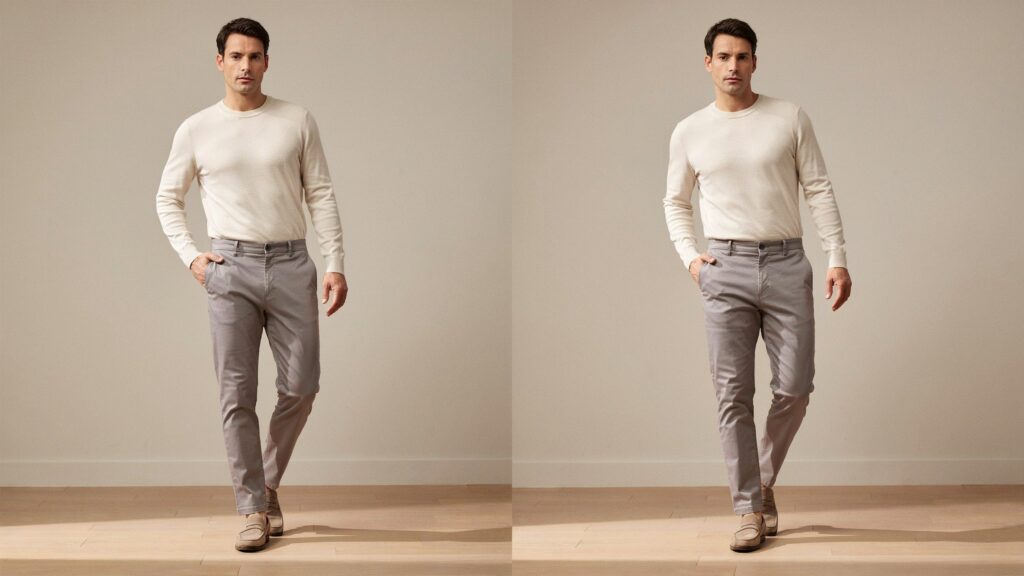
Why pants stretch out after wearing is a common issue that can make a once-perfect pair feel loose, baggy, or uncomfortable. Daily activities such as sitting, walking, and bending can gradually relax the fabric, while washing and heat may also change its shape. In this guide, you’ll learn why pants stretch, how stretching differs from shrinking, which areas and fabrics are most affected, and how to keep your pants looking and fitting better for longer.
Table of Contents
Why Pants Stretch Out After Wearing Quick answer
Why pants stretch out after wearing is mainly due to repeated movement, body pressure, heat, moisture, and the type of fabric used. Sitting, walking, bending, and squatting place repeated tension on the material, causing it to temporarily relax or, over time, lose some of its original shape.
So, why do pants stretch out? Stretch fabrics containing elastane or spandex are especially likely to loosen during wear because the fibers are designed to give with movement. Cotton and denim can also stretch as they warm up and experience repeated pressure.
The most common areas affected are the waist, thighs, seat, and knees. This explains why pants stretch at the waist, why pants stretch in the thighs, and why pants get baggy at the knees after several hours of wear.
Fit also matters. Tight pants stretching out experience more tension with every movement, while low-quality fabrics may have weaker pants fabric recovery, meaning they do not return fully to their original shape.
If you’re wondering do pants stretch after wearing, the answer is yes—but the amount varies. High-quality pants with good shape retention may recover after resting or washing according to the care label, while heavily stretched or worn fabric may remain loose.
To how to stop pants from stretching, choose the correct size, avoid wearing the same pair every day, rotate your pants, and follow the manufacturer’s care instructions. These simple habits can help prevent pants from stretching out and keep them looking fitted for longer.
Which Parts of Pants Stretch Out the Most?
When trying to understand why pants stretch out after wearing, it helps to look at the areas that receive the most movement and pressure. Pants rarely stretch evenly. Instead, repeated sitting, walking, bending, and body movement usually cause certain areas to loosen faster than others.
The waist, seat, thighs, and knees are the most common areas where pants become stretched or baggy. Fabric type, garment construction, fit, and how often the pants are worn also affect how quickly this happens.
1. Waist
The waistband is one of the first areas that can become loose because it is constantly exposed to pressure and movement. Sitting, bending, eating, and wearing a belt can repeatedly pull against the waistband.
This is why why pants stretch at the waist is a common concern. Elastic materials and stretch blends can temporarily expand during wear. If the waistband has poor recovery, it may not return completely to its original size.
A waistband that repeatedly expands can eventually lead to why waistband stretches out problems, especially when the pants are too tight around the waist.
2. Seat
The seat area experiences significant pressure whenever you sit. Pants stretching after sitting is particularly common because the fabric is pulled across the hips and buttocks each time you lower yourself into a chair.
This explains why pants stretch in the seat and why some pants look slightly saggy after a full day of wear. If the pants fit too tightly through the seat, the repeated tension can make the fabric loosen even faster.
3. Thighs
The thighs experience constant movement while walking, climbing stairs, sitting, and bending. This repeated motion creates friction and tension that can gradually affect the fabric.
If you notice that why pants stretch in the thighs is becoming a problem, the fit may be one factor. Pants that are very tight around the thighs experience more pulling with each movement.
This is also one reason tight pants stretching out can become noticeable sooner than expected.
4. Knees
Knees are another common area where pants become loose or baggy. Every time you sit, squat, kneel, or bend your legs, the fabric around the knees stretches.
This explains why pants stretch at the knees and why pants get baggy at the knees after repeated wear. Denim and other structured fabrics may develop visible knee bags, while stretch fabrics can temporarily loosen and then recover when the pants rest.
For people who wear jeans frequently, why jeans stretch at the knees is especially relevant because repeated bending puts substantial stress on the denim.
5. Hips
The hip area is affected by walking, sitting, bending, and general body movement. Pants that fit closely around the hips can experience continuous tension throughout the day.
Over time, repeated stress may contribute to why pants become baggy around the hips. The effect can be more noticeable in pants made with stretch fibers that have poor recovery.
6. Crotch and Upper Leg Area
The crotch area experiences a combination of stretching, friction, and movement. Walking and sitting repeatedly pull the fabric in different directions.
Pants stretch from walking and pants stretch from bending can be particularly noticeable around this area. A poor fit, excessive tension, or lightweight fabric may make the stretching more obvious.
Why Do Some Areas Stretch More Than Others?
The main reason is uneven stress. Different parts of pants perform different jobs as you move. The waistband holds the garment in place, the seat expands when you sit, the thighs move with your legs, and the knees repeatedly bend.
Fabric composition also matters. Why cotton pants stretch is partly related to the natural behavior of cotton fibers under repeated tension. Denim can also loosen during wear, which helps explain why jeans stretch out after wearing.
Stretch blends containing elastane or spandex can provide more comfort, but do stretch pants lose their shape over time? They can if the fibers become fatigued or the fabric has poor recovery.
Does the Stretching Become Permanent?
Not always. Some temporary looseness is normal. After resting or following the correct washing instructions, pants may regain much of their original shape.
However, repeated fabric stretching after wear, poor fabric recovery, excessive heat, and long-term use can eventually cause pants fabric loses shape problems that are harder to reverse.
In short, pants shape retention depends on fabric quality, construction, fit, and care. Choosing well-made pants with good pants fabric recovery can help reduce permanent stretching and keep the garment looking fitted for longer.
Which Fabrics Stretch Out the Most?
When explaining why pants stretch out after wearing, fabric composition is one of the most important factors to consider. Different fibers respond differently to body heat, movement, moisture, friction, and repeated tension. Some pants loosen temporarily and recover after resting, while others gradually lose their original shape.
In general, fabrics containing elastane or spandex tend to stretch more during wear, while tightly woven fabrics with good recovery usually maintain their shape better.
1. Cotton
Cotton pants can stretch with repeated movement, especially when the fabric is lightweight or loosely woven. This helps explain why cotton pants stretch and why cotton pants get baggy in high-stress areas such as the knees, seat, and thighs.
Cotton can relax when exposed to body heat and moisture. However, high-quality cotton pants with a firm weave can provide better pants shape retention than loosely constructed cotton fabrics.
2. Stretch Cotton
Stretch cotton combines cotton with a small percentage of elastane or spandex. This creates a comfortable fabric that moves easily with the body.
The downside is that repeated tension can cause the pants to loosen temporarily. If the stretch fibers have poor recovery, why stretch pants get loose becomes more noticeable after repeated wear.
The amount of stretch depends on the fiber percentage, fabric construction, and quality of the elastic fibers.
3. Denim
Denim can stretch during wear, particularly when it contains elastane. Even traditional denim can relax slightly as it is exposed to repeated movement and body pressure.
This is why why jeans stretch out after wearing is a common concern. Areas such as the waist, seat, thighs, and knees receive the most stress.
Why denim pants stretch depends on the type of denim. Rigid denim generally behaves differently from stretch denim, while heavier, tightly woven denim often provides better structure.
4. Elastane and Spandex Blends
Pants containing elastane or spandex are designed to stretch. These fibers provide flexibility and comfort, but their ability to return to their original shape depends on their quality and how they are treated.
Repeated stretching, excessive heat, and improper care can weaken elastic fibers. This can affect stretch fabric recovery and eventually cause the pants to remain looser after wearing.
This doesn’t mean stretch pants are poor quality. A well-made stretch fabric can offer excellent comfort and recovery when properly designed and cared for.
5. Polyester Blends
Polyester generally has good shape retention and tends to resist permanent stretching better than many natural fibers. It is often blended with cotton or elastane to create pants that are comfortable while still maintaining their structure.
However, polyester pants can still become loose if they contain significant stretch fibers or experience repeated tension. The way a fabric is woven and constructed can be just as important as the fibers it contains.
6. Linen
Linen pants can feel relaxed and slightly looser after wearing because the fabric naturally softens and creases with movement. This doesn’t always mean the fibers have permanently stretched.
Linen may develop a relaxed appearance around the knees, seat, and thighs, particularly after pants stretching after sitting or extended movement.
7. Wool and Wool Blends
Wool trousers generally have good resilience because wool fibers can recover from bending and compression. However, poor storage, prolonged pressure, moisture, or improper care can still affect their shape.
This is one reason dress pants stretch out differently depending on their fabric blend and construction.
8. Rayon and Viscose
Rayon and viscose fabrics can feel soft and fluid, but they may be more sensitive to moisture and handling than structured synthetic blends. Pants made from these materials can temporarily change shape when exposed to repeated movement or moisture.
Proper care is particularly important if you want to maintain pants fabric recovery.
Which Fabrics Are Least Likely to Stretch Out?
If your priority is pants that don’t stretch out, look for fabrics with strong structure and good recovery.
Generally, tightly woven fabrics and well-constructed blends tend to maintain their shape better than very soft, loosely woven fabrics.
When choosing pants, don’t focus only on the fiber name. Consider:
- Fabric weight
- Weave density
- Fiber percentages
- Elastane or spandex content
- Garment construction
- Quality of the fabric
- Care requirements
- How tightly the pants fit
This is important because pants fit and stretching are closely connected. Pants that are consistently under high tension may stretch faster regardless of the material.
Does More Stretch Mean Pants Will Stretch Out More?
Not necessarily. Stretch and permanent stretching are two different things.
A quality stretch fabric can expand comfortably and then return to its original dimensions. This is known as good stretch fabric recovery. A lower-quality fabric may stretch easily but recover poorly, causing the garment to become progressively looser.
So, if you’re wondering do stretch pants lose their shape, the answer depends largely on fiber quality, fabric construction, fit, care, and how frequently the pants are worn.
How to Choose Pants That Don’t Stretch
If you want better shape retention, how to choose pants that don’t stretch starts with checking the fabric label. Look for a firm, well-constructed fabric with a reasonable amount of stretch rather than choosing the most elastic option available.
You should also avoid buying pants that are excessively tight. Tight pants stretching out can happen because the fabric is placed under constant tension during normal movement.
For everyday wear, fabrics with good recovery and moderate structure are often a better choice than extremely soft or highly elastic materials.
Bottom Line
The fabrics most likely to loosen during wear are generally those with natural relaxation or significant stretch content, especially when they have poor recovery. Cotton, stretch cotton, denim, and elastane blends can all become looser in high-stress areas.
However, why pants lose their shape is not determined by fabric alone. Fit, fabric construction, fiber quality, body movement, washing, drying, and frequency of wear all influence how much pants stretch over time.
Do Pants Stretch Out After Wearing?
Yes, pants do stretch out after wearing, but the amount of stretching depends on the fabric, fit, construction, and how the pants are used. Most pants experience some temporary loosening during normal wear because the fabric is repeatedly pulled and compressed as you sit, walk, bend, and move.
This is one of the main reasons why pants stretch out after wearing. Body heat and moisture can also relax certain fibers, making pants feel slightly looser by the end of the day.
Why Do Pants Stretch Out During Wear?
One of the main reasons why do pants stretch out is repeated mechanical stress. Every movement places tension on different parts of the garment.
For example:
- Sitting puts pressure on the seat and waistband.
- Walking creates repeated movement around the thighs and knees.
- Bending pulls fabric around the knees and seat.
- Squatting places significant tension on the thighs and crotch.
This repeated activity can cause fabric stretching after wear, particularly in areas that experience the most movement.
What Causes Pants to Become Looser After You Wear Them?
If you’re wondering why pants get loose after wearing, fabric recovery is an important factor. Some materials stretch and then return close to their original dimensions when the tension is removed. Others recover less effectively and may remain slightly loose.
Stretch fabrics containing elastane or spandex are designed to provide flexibility. However, repeated tension, high heat, and improper care can affect stretch fabric recovery.
This can eventually contribute to why pants lose their shape, especially when the garment is worn frequently.
Which Areas Stretch the Most?
Pants usually don’t stretch evenly. The most noticeable changes often occur around:
- Waist
- Seat
- Thighs
- Knees
- Hips
- Crotch
For example, why pants stretch at the waist is often related to repeated sitting and bending. Likewise, why pants stretch at the knees is usually connected to frequent bending and movement.
This is also why why pants become baggy can vary from one pair to another. A pair may remain firm at the waist while becoming loose around the knees or seat.
Do Different Fabrics Stretch Differently?
Yes. Fabric composition has a major effect on how pants respond to wear.
Cotton can relax and loosen with repeated movement, which helps explain why cotton pants stretch. Denim can also loosen during wear, particularly when it contains stretch fibers. This is why why jeans stretch out after wearing is a common question.
Chinos can also become looser after repeated wear, especially when made from stretch cotton. This explains why chinos stretch out in areas such as the seat, thighs, and knees.
Pants containing elastane or spandex generally offer more flexibility, but the quality of the elastic fibers determines how well the material returns to its original shape.
How Much Do Pants Stretch?
There is no single amount that applies to every pair of pants. How much do pants stretch depends on:
- Fabric composition
- Amount of stretch fiber
- Fabric weight
- Garment construction
- Size and fit
- Frequency of wear
- Body movement
- Washing and drying methods
A small amount of temporary loosening is normal. However, if pants remain noticeably larger after repeated wear, the fabric may have poor recovery or may be experiencing excessive tension.
How Long Does It Take Pants to Stretch?
How long does it take pants to stretch depends on how often they are worn and how much stress the fabric receives. Some pants may feel slightly looser after several hours, while noticeable permanent stretching can take many repeated wears.
Pants worn daily and subjected to frequent sitting, walking, and bending generally experience more stress than pants worn occasionally.
Is Stretching Permanent?
Not always. Some pants regain much of their original shape after resting or after being washed according to the care label. This is known as good pants fabric recovery.
However, repeated wear can eventually cause the fabric to lose its ability to recover fully. When this happens, pants fabric loses shape, and the garment may remain loose even after washing.
This is particularly important with stretch garments because people often ask, do stretch pants lose their shape? They can, especially when the elastic fibers become worn or damaged.
How Can You Prevent Excessive Stretching?
Choosing the right fit is one of the most effective ways to reduce unwanted stretching in pants. Pants that are excessively tight experience greater tension during normal movement.
You can also prevent pants from stretching out by rotating between several pairs instead of wearing the same pants every day. Follow the care label, avoid unnecessary high heat, and store pants properly when they are not being worn.
If your goal is pants that don’t stretch out, look for fabrics with strong shape retention and good recovery rather than simply choosing the fabric with the least stretch.
Bottom Line
Yes, pants can stretch out after wearing, and some temporary loosening is completely normal. Movement, body heat, moisture, fabric composition, fit, and repeated tension all influence the result.
Understanding why pants stretch out after wearing makes it easier to choose better-fitting pants, care for them correctly, and reduce unwanted bagging over time.
Do Chinos and Dress Pants Stretch Out?
Yes, chinos and dress pants can stretch out after wearing, although the amount depends on their fabric, fit, construction, and how often they are worn. When asking why pants stretch out after wearing, chinos and dress pants follow many of the same principles as jeans, but their fabrics can behave differently.
Chinos are commonly made from cotton twill, while dress pants may use wool, polyester, rayon, cotton, or blended fabrics. Some also contain elastane or spandex for added comfort and flexibility.
Why Do Chinos Stretch Out?
One reason why chinos stretch out is repeated movement. Walking, sitting, bending, and squatting place tension on the fabric, particularly around the waist, seat, thighs, and knees.
Cotton chinos can relax slightly during normal wear. This can make them feel looser after several hours, especially if the fabric is soft or contains stretch fibers.
If you’re wondering why pants get loose after wearing, the fit of the chinos is also important. A pair that fits very tightly through the thighs or seat experiences more tension with every movement, which can accelerate fabric stretching.
Do Cotton Chinos Become Baggy?
They can. Why cotton pants get baggy is often related to repeated tension and the natural relaxation of cotton fibers.
The effect is usually most noticeable in high-movement areas. For example, pants stretch from sitting around the seat and waistband, while pants stretch from walking can be more noticeable around the thighs and knees.
A high-quality cotton twill with a firm weave may provide better pants shape retention than a lightweight or loosely constructed fabric.
Why Do Dress Pants Stretch Out?
Why dress pants stretch out depends heavily on their material. Wool dress pants generally have good natural resilience, while polyester and wool blends can provide strong shape retention.
Stretch dress pants containing elastane or spandex can feel more comfortable but may loosen during extended wear. If the elastic fibers have poor recovery, the pants may remain slightly loose after repeated use.
This is why pants fabric recovery is important when choosing dress pants. Good recovery allows the material to return closer to its original shape after being stretched.
Do Dress Pants Get Baggy at the Knees?
They can, particularly when worn frequently. Sitting and bending repeatedly pull the fabric around the knees.
This explains why pants stretch at the knees and why some trousers develop a slightly loose appearance after extended wear. Lightweight fabrics or pants with a very close fit may show these changes more quickly.
However, temporary knee bagging doesn’t necessarily mean the pants are permanently damaged. Some fabrics recover after the garment rests.
Does the Waist Stretch Out on Chinos and Dress Pants?
Yes. The waistband experiences repeated pressure whenever you sit, bend, or move.
This is one reason why pants stretch at the waist. Belts can also add pressure to the waistband, especially when worn tightly.
If the waistband repeatedly expands and has poor recovery, why waistband stretches out can become a long-term fit problem.
Do Stretch Chinos and Dress Pants Lose Their Shape?
They can, but stretch content itself isn’t necessarily the problem. Quality stretch fabrics are designed to expand and recover repeatedly.
The important factor is stretch fabric recovery. If the elastic fibers are high quality and the fabric is properly constructed, the pants may maintain their shape well.
However, repeated stress, excessive heat, improper washing, and frequent wear can eventually affect recovery. This is why people sometimes ask, do stretch pants lose their shape? The answer is yes, particularly when the fabric has been subjected to excessive tension or heat.
How to Prevent Chinos and Dress Pants From Stretching Too Much?
If you want to prevent pants from stretching out, start by choosing the correct size. Pants should have enough room for normal movement without being excessively tight.
You can also:
- Rotate between several pairs.
- Avoid wearing the same pants every day.
- Follow the garment’s care label.
- Avoid unnecessary high heat.
- Store pants properly.
- Choose fabrics with good shape retention.
- Avoid buying pants that are excessively tight.
These steps can help how to keep pants from getting baggy and extend the useful life of your chinos and dress pants.
Can Stretched Chinos and Dress Pants Return to Their Original Shape?
Sometimes. Temporary stretching may disappear after the pants rest or are cleaned according to their care instructions.
However, permanent stretching is harder to reverse. If the fabric has lost its recovery or the waistband has become permanently loose, washing may not completely restore the original fit.
Before trying to how to shrink stretched pants, check the care label and fiber composition. Aggressive heat can damage certain fabrics, weaken elastic fibers, or cause uneven shrinkage.
Chinos vs. Dress Pants: Which Stretch More?
There is no universal answer because fabric composition varies widely.
Cotton chinos may relax noticeably during everyday wear, while wool or polyester dress pants may hold their shape better. Stretch versions of either type can feel looser after extended use depending on their elastic content and fabric quality.
Ultimately, pants fit and stretching are closely connected. A well-fitting pair made from a durable, recovery-focused fabric is generally less likely to develop unwanted bagginess.
Bottom Line
Chinos and dress pants can both stretch out after wearing, particularly around the waist, seat, thighs, and knees. Cotton chinos may relax with movement, while dress pants respond differently depending on whether they are made from wool, polyester, synthetic blends, or stretch fibers.
Understanding why pants stretch out after wearing can help you select better fabrics, choose the right fit, and follow proper care practices so your chinos and dress pants maintain their shape longer.
Does the Fit of Your Pants Cause Them to Stretch?
Yes, the fit of your pants can significantly affect how quickly they stretch out. When pants are too tight, the fabric remains under constant tension as you sit, walk, bend, and move. This repeated stress can contribute to why pants stretch out after wearing and may cause certain areas to become loose or baggy over time.
However, pants that are too loose can also develop shape problems. The key is finding a fit that provides enough room for movement without placing excessive strain on the fabric.
How Tight Pants Stretch Out
Tight pants stretching out is common because the fabric has to work harder with every movement. When the waist, thighs, seat, or hips are too snug, the material is repeatedly pulled beyond its relaxed position.
This can explain why pants get loose after wearing, particularly around areas that experience constant movement.
For example, if the thighs are too tight, why pants stretch in the thighs becomes easier to understand. Every step and bend creates tension across the fabric, which may eventually reduce its ability to return to its original shape.
Can a Tight Waist Cause Pants to Stretch?
Yes. A waistband that fits too tightly experiences repeated pressure throughout the day.
Sitting, bending, and normal movement can pull against the waistband, which helps explain why pants stretch at the waist. Over time, repeated tension may contribute to why waistband stretches out, particularly when the waistband contains elastic or stretch fibers.
A properly fitted waistband should feel secure without digging into your body or creating excessive pressure.
Can Tight Thighs Cause Stretching?
Yes. The thighs are one of the most active areas of pants, so a very close fit can increase fabric tension.
Walking and bending repeatedly pull the material across the upper legs. This can lead to pants stretch from walking and pants stretch from bending, especially when the fabric has limited recovery.
If your pants feel restrictive when you sit or move, they may be experiencing more stress than they were designed to handle.
Can a Snug Seat Make Pants Stretch Out?
The seat area is another common problem zone. When pants are too snug across the hips and seat, sitting places significant tension on the fabric.
This is why pants stretch from sitting and why why pants stretch in the seat is a common fit concern.
Repeated pressure can eventually cause the fabric to remain slightly loose after you stand up, especially if the material has weak pants fabric recovery.
Do Loose Pants Stretch Out Too?
Loose pants usually experience less direct tension from the body, but they can still develop an unwanted baggy appearance.
When fabric isn’t supported properly by the body’s shape, repeated movement can create folds and localized stretching. This may contribute to why pants become baggy, particularly around the knees and seat.
Loose-fitting pants may look stretched or baggy even when the fabric fibers haven’t undergone permanent stretching. In some cases, the issue is simply excess fabric caused by an incorrect fit.
How Does the Right Fit Help?
A balanced fit distributes tension more evenly across the garment. Pants should allow you to sit, walk, bend, and squat without excessive pulling or tightness.
A good fit generally means:
- The waistband sits securely without excessive pressure.
- The seat has enough room to move comfortably.
- The thighs aren’t tightly stretched.
- The knees can bend without strong pulling.
- The fabric doesn’t constantly feel under tension.
- The pants maintain their intended shape while moving.
This balance can improve pants shape retention and reduce unnecessary fabric stress.
Does Fit Affect Different Fabrics Differently?
Yes. Fabric type influences how strongly fit affects stretching.
For example, why cotton pants stretch can partly be explained by repeated tension and fiber relaxation. Stretch denim may respond differently because it contains elastic fibers, while structured chinos may maintain their shape better depending on their weave and composition.
This is also relevant to why chinos stretch out. A tight pair of stretch chinos may loosen more noticeably through the waist, seat, and thighs after repeated wear.
Similarly, why jeans stretch out after wearing can depend on both denim construction and how closely the jeans fit.
Can the Wrong Size Make Pants Permanently Loose?
It can contribute to permanent stretching, but the result depends on fabric quality, construction, and frequency of wear.
If a garment is consistently stretched beyond its comfortable range, the fibers may eventually experience reduced stretch fabric recovery. At that point, why pants lose their shape becomes more than a temporary fit issue.
Proper sizing doesn’t guarantee that pants will never stretch, but it reduces unnecessary strain and can help the garment maintain its original proportions.
How to Choose a Fit That Won’t Stretch Easily
If you’re wondering how to choose pants that don’t stretch, focus on comfort and movement rather than choosing the tightest size that looks fitted.
Try sitting, walking, and bending when checking the fit. If the fabric pulls strongly across the thighs or seat, consider a larger size or a different cut.
The goal isn’t to find pants that never move or stretch. Instead, look for a combination of comfortable fit, durable construction, and good fabric recovery.
Bottom Line
The fit of your pants can definitely influence how much they stretch. Pants that are excessively tight experience more tension during everyday movement, which can lead to stretching around the waist, seat, thighs, and knees.
If you want to prevent pants from stretching out, choose a size that allows natural movement without putting constant stress on the fabric. A well-balanced fit can help your pants maintain their shape and remain comfortable for longer.
How to Prevent Pants From Stretching Out After Wearing
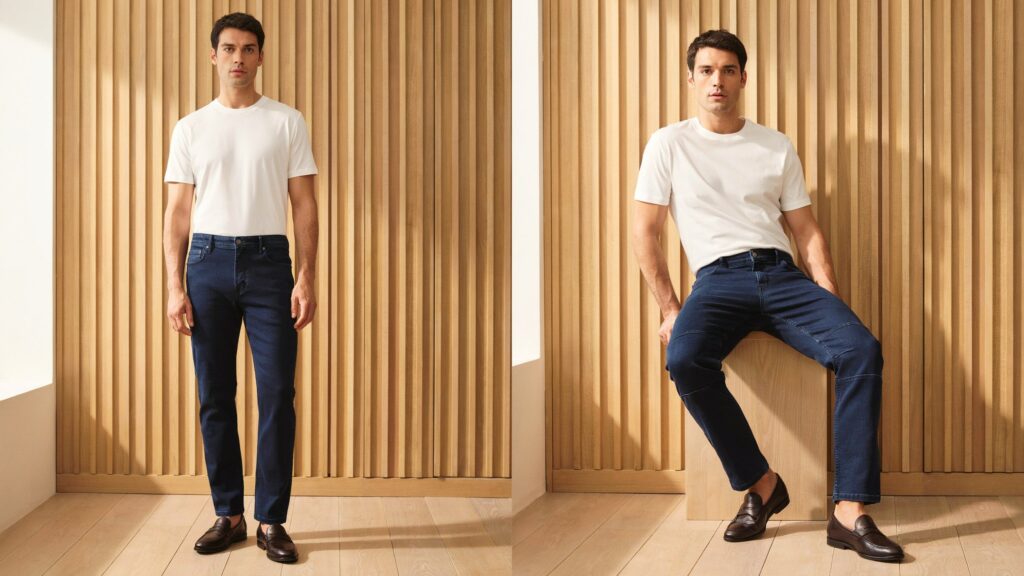
If you want to know how to prevent pants from stretching out, the key is to reduce unnecessary tension, choose the right fit, and care for the fabric properly. Although some loosening is normal, the right habits can help pants maintain their shape and reduce unwanted bagginess.
Understanding why pants stretch out makes prevention easier. Repeated sitting, walking, bending, body heat, moisture, tight fits, and frequent washing can all affect how well fabric returns to its original shape.
1. Choose the Right Size and Fit
Proper fit is one of the simplest ways to reduce stretching. Pants that are too tight place constant tension on the fabric, especially around the waist, thighs, seat, and knees.
Tight pants stretching out can happen faster because the material is repeatedly pulled during normal movement. Choose pants that allow you to sit, walk, and bend comfortably without excessive pulling.
2. Give Your Pants a Break Between Wears
Giving pants time to rest between wears can help the fabric recover. Constant daily use exposes the same areas to repeated pressure and movement.
Rotating several pairs can reduce fabric stretching after wear and give the fibers more time to regain their original shape.
This is particularly helpful if you notice why pants get loose after wearing becoming a regular problem.
3. Limit Excessive Sitting and Bending When Possible
You don’t need to avoid normal movement, but repeated pressure can contribute to stretching. Long periods of sitting can affect the seat and waistband, while frequent bending can loosen the knees and thighs.
This explains why pants stretch from sitting and why pants stretch from bending over repeated use.
If your lifestyle involves frequent movement, choose pants designed with enough room and appropriate stretch for that activity.
4. Follow the Care Label
Proper washing is essential for maintaining pants fabric recovery. Always check the manufacturer’s care instructions before washing or drying your pants.
Different fabrics respond differently to water and heat. Following the recommended temperature and drying method can help prevent unnecessary changes in size and shape.
This is especially important if you notice your pants become loose after washing and wearing.
5. Use Cold or Cool Water When Appropriate
For many washable pants, cooler water is gentler on the fibers than hot water. Excessive heat can affect certain fabrics and elastic fibers, potentially reducing their ability to recover.
However, always prioritize the garment’s care label rather than assuming cold water is suitable for every material.
6. Avoid High Dryer Heat
High temperatures can be particularly harsh on stretch fibers. Repeated exposure to excessive heat may weaken elastane or spandex and reduce stretch fabric recovery.
When permitted by the care label, air drying or using a lower dryer temperature can help maintain the garment’s original shape.
7. Don’t Overload the Washing Machine
Overloading can prevent pants from moving freely during the wash cycle. It may also increase friction and mechanical stress on the fabric.
Washing pants with enough space for proper movement can help reduce unnecessary wear and support better pants shape retention.
8. Store Pants Properly
How you store pants can also affect their appearance. Fold casual pants neatly or hang suitable trousers from the waistband or a proper hanger.
Avoid keeping pants compressed under heavy clothing for long periods. Storing your pants correctly helps them retain their shape and prevents unwanted wrinkles.
9. Choose Fabrics With Good Recovery
If you’re shopping for pants that don’t stretch out, pay attention to fabric composition and construction.
A fabric that stretches slightly but quickly returns to its original shape can be a better choice than one that stretches easily and stays loose.
Look for good pants fabric recovery, appropriate fabric weight, and quality construction. A small amount of elastane isn’t necessarily a problem; the quality and overall fabric structure matter.
10. Don’t Choose Pants Based Only on Stretch
Highly stretchy pants may feel comfortable when you first try them on, but comfort alone doesn’t tell you how well the fabric will recover.
If you’re wondering how to choose pants that don’t stretch, check the fabric composition, construction, fit, and care requirements together.
For example, why chinos stretch out can depend on whether they are made from firm cotton twill or a softer stretch blend.
11. Rotate Pants Based on Activity
Use different pants for different activities when possible. Casual pants may handle everyday movement well, while dress pants are better suited to less demanding activities.
Frequent walking, bending, squatting, and sitting can increase stress on the same areas. Rotating garments can reduce repeated strain and help preserve their shape.
12. Avoid Pulling or Forcing the Waistband
If the waistband feels excessively tight, repeatedly forcing it into position can contribute to stretching around the waist.
This can help explain why pants stretch at the waist and why the waistband may eventually become loose.
A properly fitted waistband should stay secure without creating excessive pressure.
13. Pay Attention to Early Signs of Stretching
Don’t wait until pants become noticeably baggy before changing your care routine.
Watch for:
- A loose waistband after several hours
- Baggy knees
- Extra fabric around the seat
- Thighs becoming noticeably looser
- Pants losing their original shape
- Stretch fabric taking longer to recover
These signs may indicate that pants lose their shape gradually rather than all at once.
Can You Completely Stop Pants From Stretching?
No. Normal wear naturally places tension on clothing, so some temporary stretching is expected. The goal is to reduce excessive stretching and slow permanent shape changes.
If you understand do pants stretch after wearing, the answer is yes. The important question is how much they stretch and whether they recover afterward.
Good fit, proper care, fabric quality, and rotating your pants can all help extend their shape retention.
Bottom Line
The best way to prevent excessive stretching is to combine the right fit, proper washing, suitable drying, regular rotation, and quality fabrics with good recovery.
If you want to how to stop pants from stretching, don’t focus on one trick. Instead, reduce unnecessary stress on the fabric and follow care instructions designed for the specific material. These habits can help your pants stay comfortable, fitted, and in good shape for longer.
How to Restore Pants That Have Become Stretched
If your pants have become loose or baggy after repeated wear, you may be able to restore some of their original fit. The best method depends on the fabric, how much it has stretched, and whether the change is temporary or permanent.
Understanding why pants stretch out after wearing is helpful because different fabrics respond differently to heat, moisture, movement, and washing.
1. Wash the Pants According to the Care Label
The first step in learning how to fix stretched out pants is to check the care label. Washing can sometimes help fabric return closer to its original dimensions, particularly when the pants have only relaxed slightly during wear.
Follow the care label’s instructions for the appropriate water temperature and wash setting. Avoid guessing, because excessive heat can damage certain fabrics or cause uneven shrinkage.
This is especially important if you’re wondering how to shrink stretched pants without damaging them.
2. Use Warm Water Only When the Fabric Allows It
Some cotton and denim pants may tighten slightly after washing with warmer water. However, this should only be done when the care instructions allow it.
Heat can cause natural fibers to contract, but excessive heat may also damage elastic fibers or alter the shape of the garment.
If the pants contain elastane or spandex, aggressive heat can reduce stretch fabric recovery and potentially make the problem worse over time.
3. Try Air Drying for Better Shape Control
After washing, reshape the pants while they are still damp and allow them to air dry if the care label permits it.
This can help restore the garment’s proportions without exposing the fabric to unnecessary high heat. Carefully smooth areas such as the waistband, thighs, seat, and knees before drying.
4. Steam the Fabric
For lightly stretched pants, steaming can help relax the fabric and make reshaping easier.
Hang the pants and apply steam according to the fabric’s care requirements. Gently smooth the affected area afterward.
Steam is particularly useful for minor shape changes, but it won’t permanently repair fabric that has lost its elasticity or structural strength.
5. Reshape the Pants While Damp
If the pants are slightly loose after washing, gently adjust them back toward their original shape while they are damp.
Pay particular attention to areas that have become baggy, such as:
- Waistband
- Seat
- Thighs
- Knees
- Hips
This approach can sometimes improve pants shape retention without relying on excessive heat.
6. Handle Stretched Waistbands Carefully
If why pants stretch at the waist is the main problem, focus on the waistband rather than trying to shrink the entire garment.
For washable cotton pants, following the recommended washing and drying method may help the waistband contract slightly. However, permanently stretched elastic or damaged fabric may require alteration rather than additional washing.
Avoid repeatedly applying high heat in an attempt to fix a loose waistband because it can damage the rest of the garment.
7. Fix Baggy Knees and Thighs
If you are dealing with why pants stretch at the knees, gentle washing and reshaping may help temporary bagging.
This is common with jeans and other pants that experience repeated bending. Why jeans stretch at the knees is largely related to the repeated movement and pressure placed on the fabric.
For mild stretching, allowing the pants to rest and then washing them according to their care instructions may restore some structure.
8. Can Stretched Pants Shrink Back?
Sometimes. Can stretched pants shrink back depends mainly on the fabric and the extent of the stretching.
Cotton and some denim may recover more noticeably after proper washing. Synthetic fabrics often behave differently, while stretch fabrics may not return completely if their elastic fibers have become worn.
If the fabric has permanently lost its shape, washing may only provide a temporary improvement.
9. Don’t Use Extreme Heat
Using very hot water or a high dryer temperature may seem like an easy way to make loose pants smaller, but it can create new problems.
Excessive heat can cause:
- Uneven shrinkage
- Fabric damage
- Weakening of elastic fibers
- Color fading
- Changes in garment proportions
Instead of trying to force the pants smaller, use the care label as your guide.
10. Consider Professional Alterations
If washing and reshaping don’t restore the fit, tailoring may be the most reliable solution.
A tailor can adjust areas such as:
- Waistband
- Seat
- Thighs
- Side seams
- Hem
This can be especially useful for expensive dress pants, trousers, or pants made from delicate fabrics.
Professional alterations are often safer than repeatedly washing or heating a garment in an attempt to shrink it.
How to Restore Stretched Pants to Their Original Fit
If you’re wondering how to make stretched pants fit again, start by identifying where the stretching occurred. Slightly loose pants may respond to washing, reshaping, or steaming.
If the pants remain noticeably oversized, alterations may provide a more permanent solution.
Also consider why the pants stretched in the first place. If they were too tight, tight pants stretching out may have placed excessive tension on the fabric. If the same pair is worn every day, frequent use may also accelerate fabric fatigue.
Can You Prevent the Problem From Happening Again?
Yes. Once you’ve restored the fit, take steps to reduce future stretching.
To prevent pants from stretching out:
- Choose a comfortable, well-balanced fit.
- Rotate between multiple pairs.
- Follow the care label.
- Avoid unnecessary high heat.
- Don’t overload the washing machine.
- Give pants time to recover between wears.
- Choose fabrics with good pants fabric recovery.
These habits can help reduce why pants get loose after wearing and keep the garment looking better for longer.
Bottom Line
Learning how to fix stretched out pants starts with identifying the fabric and the type of stretching. Mild looseness can sometimes be improved through proper washing, reshaping, steaming, or controlled drying.
For permanently stretched fabric, especially around the waistband or heavily worn areas, professional tailoring may be a better solution than trying to shrink the pants repeatedly. With proper care and a suitable fit, you can also improve pants shape retention and reduce future stretching.
How to Tell If Your Pants Are Permanently Stretched
Not every pair of loose pants is permanently stretched. Some fabrics temporarily relax during wear and return closer to their original shape after resting or washing. However, certain signs can indicate that the fabric has permanently lost some of its original dimensions.
Understanding why pants stretch out after wearing can help you determine whether the looseness is temporary or a lasting change.
1. The Pants Stay Loose After Washing
One of the clearest signs of permanent stretching is when the pants remain noticeably loose after being washed according to their care instructions.
If your pants feel fitted when clean but become loose during wear, the fabric may simply be relaxing. But if they remain loose after washing and drying properly, the fibers may have lost some of their pants fabric recovery.
2. The Waistband No Longer Returns to Its Original Fit
If you’re wondering why waistband stretches out, check how the waistband behaves after the pants have rested.
A waistband that remains noticeably wider or feels loose even when the pants are clean may have experienced permanent stretching. This is more likely when the garment contains elastic fibers that have become worn.
A small amount of temporary expansion is normal, but persistent looseness is a stronger sign of reduced recovery.
3. Baggy Knees Remain After Resting
Knee bagging is common in jeans and everyday pants because the knees repeatedly bend during walking, sitting, and squatting.
If you’re asking why pants stretch at the knees, repeated mechanical stress is usually the main reason. When the knees remain visibly baggy even after washing or resting, the fabric may no longer be returning completely to its original shape.
This is particularly noticeable with why jeans stretch at the knees, especially after frequent wear.
4. The Seat Stays Loose
The seat receives considerable pressure whenever you sit. This makes it one of the areas most likely to develop temporary or permanent stretching.
If pants stretch from sitting and the seat remains loose afterward, compare the fit before and after washing. Persistent looseness around the seat can indicate that the fabric has lost some of its shape retention.
5. The Thighs Look Wider Than Before
Repeated walking and bending can place constant tension on the thigh area. This helps explain why pants stretch in the thighs.
If the thighs remain noticeably wider after cleaning and resting, the change may be more permanent. This can happen when the fabric is repeatedly stretched beyond its comfortable recovery range.
6. The Pants No Longer Recover After Wear
A healthy fabric should have some ability to return toward its original dimensions after being stretched.
If the pants remain loose for long periods, this may indicate reduced pants fabric recovery. The problem can be especially noticeable with stretch garments when the elastic fibers no longer recover effectively.
This is why people often ask, do stretch pants lose their shape? They can, particularly after repeated wear, excessive heat, or poor care.
7. Compare the Pants With Their Original Measurements
If you’re unsure whether pants lose their shape, compare the current garment with its original measurements.
Measure areas such as:
- Waist
- Hips
- Thighs
- Knee
- Seat
Compare those measurements with the manufacturer’s size chart or measurements taken when the pants were new.
A noticeable difference that remains after proper washing is a stronger indication of permanent stretching.
8. The Fabric Looks Distorted
Permanent stretching isn’t always about measurements. You may also notice visible changes in the fabric.
Look for:
- Persistent bagginess
- Distorted seams
- Uneven areas
- Wrinkles that don’t disappear
- Knee bags that remain after washing
- A waistband that no longer lies flat
These changes can indicate that the pants fabric loses shape rather than simply relaxing temporarily.
9. The Pants Become Loose Much Faster Than Before
If your pants used to maintain their fit throughout the day but now become loose after only a few hours, the fabric may be experiencing reduced recovery.
This can help explain why pants get loose after wearing. Repeated tension can gradually fatigue certain fibers, especially when the pants are worn frequently.
10. The Same Problem Appears After Every Wear
Temporary stretching should normally improve after the garment rests or is properly cleaned.
If the same loose areas return after every wear and gradually become more noticeable, the pants may have developed permanent stretching.
This is one reason why pants stretch over time. Repeated stress can eventually affect the fabric’s ability to return to its original dimensions.
Can Stretched Pants Shrink Back?
Sometimes. Can stretched pants shrink back depends on the fabric, construction, and severity of the stretching.
Cotton and some denim may regain some structure after proper washing. Stretch fabrics may recover if the looseness is temporary, but damaged elastic fibers generally cannot be fully restored.
Avoid using extreme heat simply to force the pants to shrink. It can cause uneven results or damage certain materials.
How to Tell Temporary Stretching From Permanent Stretching
A simple comparison can help:
| Temporary Stretching | Permanent Stretching |
|---|---|
| Pants loosen during wear | Pants remain loose after cleaning |
| Fabric recovers after resting | Fabric stays visibly distorted |
| Fit improves after washing | Loose fit remains after washing |
| Shape returns close to normal | Original shape is noticeably lost |
| Common with normal daily movement | Often linked to repeated stress or fiber damage |
What to Do When Your Pants Have Stretched Permanently
If the pants have only minor looseness, proper washing, reshaping, or steaming may improve their appearance.
For significant stretching, how to fix stretched out pants may require professional alterations. A tailor can adjust the waistband, side seams, seat, or other areas without exposing the entire garment to unnecessary heat.
If the fabric itself has permanently lost its recovery, replacing the pants may ultimately be more practical.
Bottom Line
The easiest way to tell whether pants are permanently stretched is to check whether they recover after resting and proper washing. If the waistband, knees, seat, or thighs remain noticeably loose or distorted, the fabric may have lost some of its original shape.
Knowing why pants stretch out after wearing can help you recognize the difference between normal temporary looseness and permanent fabric changes—and make better decisions about care, alterations, or replacement.
How to Select Pants That Keep Their Shape Longer
If you want pants that don’t stretch out, look beyond the initial fit and pay attention to the fabric, construction, stretch content, and overall quality. Some pants naturally relax during wear, but well-made garments with good shape recovery are less likely to become permanently loose or baggy.
Understanding why pants stretch out can help you make a better choice before buying your next pair.
1. Check the Fabric Composition
Start by reading the fabric label. The fiber blend can tell you how the pants may behave during repeated wear.
Cotton pants can relax with movement, which helps explain why cotton pants stretch. Denim can also loosen, while synthetic blends may provide stronger shape retention.
If you prefer stretch pants, look for a moderate amount of elastane or spandex rather than assuming more stretch means better quality.
2. Look for Good Fabric Recovery
One of the most important characteristics is pants fabric recovery. A good fabric can stretch during movement and then return close to its original shape.
This is especially important when choosing stretch jeans, chinos, or everyday pants.
If you’re wondering do stretch pants lose their shape, the answer depends largely on how well the stretch fibers recover after being stretched.
3. Avoid Extremely Tight Pants
The right fit can make a major difference. Pants that are too tight experience constant tension around the waist, thighs, hips, seat, and knees.
This can contribute to tight pants stretching out and make the garment become loose more quickly.
When trying on pants, sit, walk, and bend your knees. The fabric should move with you without excessive pulling.
4. Choose a Firm, Well-Constructed Fabric
Fabric construction affects how well pants maintain their shape. A tightly woven, substantial fabric generally provides better structure than a very lightweight or loosely constructed material.
If you’re looking for the best fabric for pants that hold their shape, consider fabrics with a firm weave and good recovery rather than focusing only on fiber type.
5. Pay Attention to Stretch Content
Stretch fibers can improve comfort and mobility, but the amount matters.
A small amount of elastane or spandex can provide useful flexibility while allowing the pants to retain their structure. Excessive stretch may make the garment more prone to becoming loose if the fabric has poor recovery.
This is one factor to consider when asking why stretch pants get loose after repeated wear.
6. Check the Waistband
The waistband should feel secure without being painfully tight.
A waistband that is constantly under pressure may stretch more quickly. This is especially relevant if you’re wondering why pants stretch at the waist.
Look for a waistband with sturdy construction and enough room for comfortable movement. Avoid choosing a smaller size simply to achieve a tighter waist.
7. Examine the Seat and Thigh Fit
The seat and thighs experience significant movement throughout the day. Pants that are too tight in these areas may experience excessive tension.
This helps explain why pants stretch in the thighs and why pants stretch in the seat.
A good fit should provide enough room for sitting and walking without creating large amounts of excess fabric.
8. Consider How You Will Wear the Pants
Your daily activities should influence your choice.
If you spend most of the day sitting, look for pants with comfortable room around the seat and thighs. If you walk or bend frequently, choose fabrics with sufficient flexibility and good recovery.
Repeated pants stretching after sitting, walking, and bending can affect the same areas over time.
9. Choose Pants With Strong Shape Retention
Pants shape retention refers to the garment’s ability to maintain its original dimensions and appearance during normal use.
When shopping, look for signs of quality such as:
- Firm fabric
- Even stitching
- Strong seams
- Consistent texture
- Good recovery after stretching
- A stable waistband
- Properly constructed pockets and closures
These features can help reduce the likelihood that pants lose their shape quickly.
10. Don’t Judge Stretch by Feel Alone
A pair of pants may feel firm when you first try it on but still stretch significantly during wear.
Move around in the pants before buying them. Sit down, bend your knees, and walk a few steps. Pay attention to whether the fabric immediately pulls, wrinkles excessively, or feels under constant tension.
This gives you a better idea of pants fit and stretching than simply standing in front of a mirror.
11. Consider Denim Quality When Buying Jeans
If you’re shopping for jeans, fabric weight and construction can affect how they behave.
Why jeans stretch out after wearing depends on factors such as denim composition, weave, stretch content, and fit. Jeans that are extremely tight may loosen more noticeably because the fabric experiences greater tension.
If you want jeans with better structure, look for denim that provides a balance between comfort and recovery.
12. Be Selective With Stretch Chinos
Stretch chinos are comfortable and practical, but quality varies.
Why chinos stretch out can depend on the cotton-to-elastane ratio, fabric construction, and fit. A well-made stretch chino can remain comfortable while maintaining good shape, whereas a poorly constructed pair may become loose quickly.
Look for moderate stretch and strong recovery if long-term shape retention is important.
13. Consider Dress Pants Carefully
For dress pants, the fabric should maintain a polished appearance throughout the day.
Wool, polyester blends, and structured synthetic fabrics can offer good shape retention, although performance varies by construction and quality.
If you’re concerned about why dress pants stretch out, avoid excessively tight fits and choose fabrics designed to recover after sitting and movement.
14. Read Care Instructions Before Buying
A high-quality pair can still lose its shape if it requires care that you cannot realistically follow.
Check whether the pants require:
- Cold washing
- Gentle cycles
- Air drying
- Low-temperature drying
- Special cleaning
- Avoidance of high heat
Proper care helps maintain stretch fabric recovery and can reduce unwanted changes in size and shape.
15. Don’t Assume Pants Will Never Stretch
Even the best pants may relax slightly after wearing. Do pants stretch after wearing? Yes, some temporary loosening is completely normal.
The goal is to choose pants that recover well rather than searching for a fabric that never changes at all.
If the pants return close to their original shape after resting or cleaning, they are generally performing as expected.
Quick Checklist for Buying Pants
Before purchasing, ask yourself:
- Is the fabric firm enough for my needs?
- Does it have good recovery?
- Is the fit comfortable when sitting and bending?
- Is the waistband secure without being too tight?
- Are the thighs and seat comfortable?
- Does the fabric contain a reasonable amount of stretch?
- Are the seams and construction strong?
- Can I follow the recommended care instructions?
These checks can help you choose pants that don’t stretch excessively and remain comfortable over time.
Bottom Line
The best way to choose pants that don’t stretch out is to combine the right fit with durable fabric, good construction, moderate stretch, and strong recovery.
Avoid excessively tight pants, examine the fabric composition, test the fit through normal movements, and choose materials known for good shape retention. These factors can help reduce why pants get loose after wearing and keep your pants looking fitted for longer.
How Long Does It Take for Pants to Stretch Out?
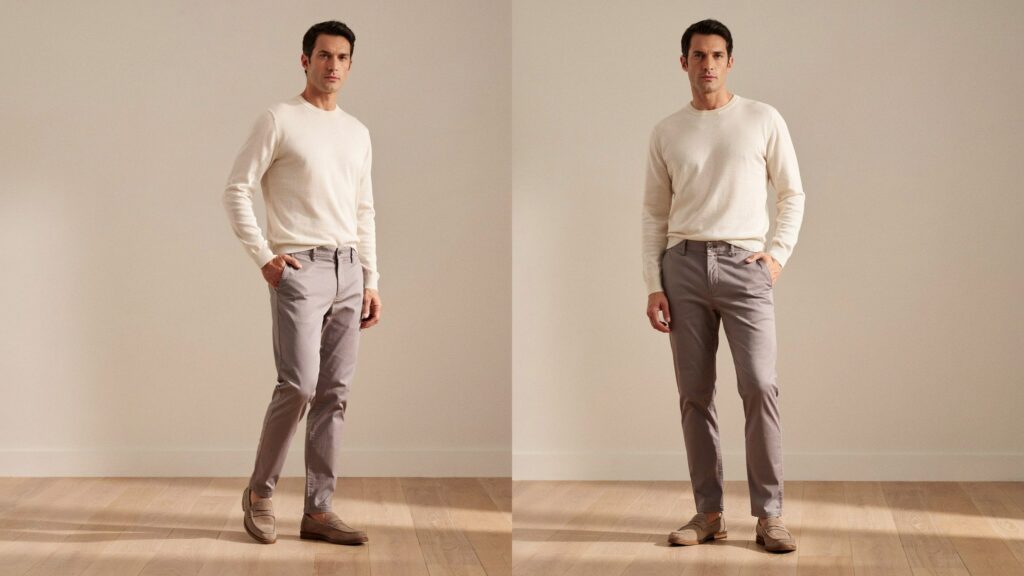
There is no exact time for pants to stretch out because the process depends on the fabric, fit, construction, and how often the pants are worn. Some pants may feel slightly looser after a few hours, while others can take several wears before noticeable changes appear.
If you’re wondering how long does it take pants to stretch, the answer can range from a single day of heavy wear to several weeks of regular use.
Can Pants Stretch After One Wear?
Yes, pants can loosen noticeably after one wear, especially when they are made from cotton, denim, or stretch fabrics.
This doesn’t always mean the fabric has permanently changed. In many cases, the fibers simply relax from repeated movement and return closer to their original shape after resting or washing.
This is one reason do pants stretch after wearing is a common question among shoppers.
How Quickly Do pants Stretch Out?
Jeans can begin relaxing during the first day of wear. Areas that experience the most movement, such as the waist, seat, thighs, and knees, may feel looser after several hours.
The tendency of pants to loosen with wear is influenced by the denim’s fiber blend, weave structure, fabric weight, and amount of stretch.
Traditional rigid denim may take longer to noticeably loosen, while stretch denim can feel more flexible much sooner.
How Long Does It Take Cotton Pants to Stretch?
Cotton pants may begin relaxing within a few hours of active wear. After repeated sitting, walking, and bending, the fabric can become temporarily looser.
This helps explain why cotton pants stretch and why cotton pants get baggy in areas that experience frequent movement.
However, the amount of stretching varies considerably between lightweight cotton, heavy twill, canvas, and different fabric constructions.
How Quickly Do Stretch Pants Lose Their Shape?
Stretch pants can feel looser relatively quickly because elastane or spandex allows the fabric to expand during movement.
The important factor is stretch fabric recovery. Quality stretch fabric should return toward its original dimensions after the tension is removed.
If the material has poor recovery or has been exposed to excessive stress and heat, why stretch pants get loose can become a more noticeable long-term issue.
Which Areas Stretch First?
Pants don’t always stretch evenly. The areas that experience the most movement and pressure usually show changes first.
Common areas include:
- Waist: Sitting and bending can contribute to why pants stretch at the waist.
- Thighs: Walking and movement repeatedly pull the fabric.
- Seat: Sitting places pressure on the rear portion of the pants.
- Knees: Repeated bending can cause knee bagging.
- Hips: Tight-fitting pants may experience repeated tension around this area.
This explains why pants stretch in the thighs, why pants stretch in the seat, and why pants stretch at the knees.
How Much Do Pants Stretch?
There isn’t a universal amount because every fabric behaves differently. Some pants may only relax slightly, while others can become noticeably looser after repeated wear.
The original fit also matters. Pants that are already very tight may show more noticeable changes because the fabric is placed under greater tension.
This is why tight pants stretching out can happen more quickly than with a properly fitted pair.
Why Does Frequent Wear Make Pants Stretch More Quickly?
Frequent wear exposes the same fabric areas to repeated stress. Sitting, walking, bending, and squatting all create cycles of tension and recovery.
If the same pair is worn every day, the fabric has less opportunity to recover between uses. Over time, this can contribute to why pants stretch over time and why some garments gradually become baggy.
Rotating several pairs can reduce repeated stress and support better pants shape retention.
Does Washing Reverse the Stretch?
Sometimes. If the fabric has only relaxed temporarily, washing according to the care instructions may help it return closer to its original shape.
This is why pants become loose after washing and wearing can sometimes be confusing. A pair may feel tighter immediately after washing and then loosen again during the next period of wear.
Permanent stretching is different. If the fibers have lost their recovery, washing may not completely restore the original fit.
How Can You Tell If Pants Are Stretching Permanently?
Watch for signs that remain after resting or proper cleaning.
Permanent stretching may be more likely when:
- The waistband remains loose after washing.
- Knees stay baggy when the pants are clean.
- The seat remains noticeably stretched.
- The thighs look wider than when the pants were new.
- The fabric no longer regains its original shape after stretching.
- The same loose areas become worse with each wear.
These changes suggest the pants fabric loses shape rather than simply relaxing temporarily.
How to Slow Down Pants Stretching
If you want to know how to stop pants from stretching, focus on reducing unnecessary stress.
Helpful habits include:
- Choose the correct size and fit.
- Avoid wearing the same pair every day.
- Follow the garment’s care instructions.
- Avoid unnecessary high heat.
- Give pants time to recover between wears.
- Choose fabrics with good recovery.
- Avoid excessively tight fits.
These steps can help prevent pants from stretching out and maintain the garment’s original shape for longer.
Bottom Line
So, how long does it take pants to stretch? Some pants may loosen within a few hours, while others take several wears or weeks of regular use. The timing depends on fabric type, construction, fit, movement, and care.
A little temporary loosening is normal. The bigger concern is permanent stretching, which occurs when the fabric gradually loses its ability to recover. Choosing a good fit, rotating your pants, and following proper care instructions can help maintain better shape retention over time.
Pants Stretching vs. Pants Shrinking
Pants can change size in two opposite ways: they may become looser through wear or smaller because of washing and heat. Understanding the difference between stretching and shrinking makes it easier to identify why your pants no longer fit the way they did when new.
What Causes Pants to Stretch?
When asking why pants stretch out, repeated movement is one of the main factors. Sitting, walking, bending, and everyday activity place tension on the fabric.
This can cause the material to relax temporarily or, after repeated stress, lose some of its ability to return to its original shape.
Common signs include:
- A looser waistband
- Baggy thighs
- A stretched seat
- Loose knees
- Extra fabric around the hips
This explains why pants get loose after wearing and why pants become baggy in areas that experience repeated movement.
What Causes Pants to Shrink?
Shrinking usually happens when certain fibers contract because of heat, moisture, agitation, or drying conditions.
Natural fibers such as cotton can be particularly sensitive to high temperatures. This is one reason why cotton pants stretch during wear but may shrink after improper washing or drying.
High dryer heat can also cause pants to become smaller, sometimes affecting the waist, inseam, thighs, and overall length.
Stretching vs. Shrinking: What’s the Difference?
| Pants Becoming Looser | Pants Becoming Smaller |
|---|---|
| Usually makes pants looser | Usually makes pants smaller |
| Often caused by repeated movement | Often caused by heat and moisture |
| Common around waist, seat, thighs, and knees | Can affect the entire garment |
| May be temporary or permanent | May be temporary or permanent |
| Related to fabric recovery | Related to fiber contraction |
Why Do Pants Stretch After Wearing?
Do pants stretch after wearing? Yes. Many pants relax slightly during normal use.
For example, pants stretch from sitting because the seat and waistband experience repeated pressure. Similarly, pants stretch from walking and bending because the thighs and knees repeatedly move against the fabric.
This doesn’t necessarily mean the pants are permanently damaged. Good-quality materials can recover after resting or washing.
Why Do Pants Shrink After Washing?
Washing can cause certain fibers to contract, particularly when combined with high temperatures.
Hot water, high dryer heat, and aggressive washing can change the dimensions of some fabrics. Cotton and other natural fibers are more likely to show noticeable shrinkage than fabrics specifically engineered for dimensional stability.
This is why following the care label is important.
Can Pants Stretch During Wear and Shrink After Washing?
Yes. A pair of pants can become looser during wear and then become slightly smaller after washing.
For example, cotton jeans may feel loose around the waist and knees after a day of wear. After washing, the fabric may contract and bring the pants closer to their original dimensions.
However, repeated high-heat washing can eventually damage fibers or elastic components, so shrinking should not be treated as a regular way to control fit.
Why pants Can Stretch During Wear and Shrink After Washing
Why pants stretch out after wearing depends on the denim construction, fiber content, and fit.
Denim can relax as it experiences repeated movement. The change is often easiest to see at the knees, seat, and waist. That’s why why pants stretch at the knees and why do pants get loose are common concerns.
After laundering, the material can draw back slightly, causing the jeans to fit more snugly.
Stretch denim behaves differently because elastane or other stretch fibers allow the garment to expand and recover.
Does Cotton Stretch More Easily Than It Shrinks?
Cotton can do both. It may relax and become looser during wear, while heat and moisture during washing can cause contraction.
This helps explain why cotton pants get baggy after repeated use but may feel smaller after washing.
The final result depends on the fabric construction, finishing process, washing method, and drying temperature.
What About Chinos and Dress Pants?
Why chinos stretch out is often related to their cotton twill construction and repeated movement. Stretch chinos may also loosen depending on their elastane content and recovery.
The amount of stretching in dress pants can vary depending on whether they are made from wool, polyester, rayon, cotton, or a combination of different fibers.
Wool and structured synthetic blends may provide strong shape retention, while some lightweight or stretch fabrics may relax more during extended wear.
Can Stretch Pants Lose Their Shape?
Yes. Do stretch pants lose their shape? They can if the elastic fibers become fatigued or the garment is repeatedly exposed to excessive tension and heat.
Good stretch fabrics are designed to expand and recover. However, repeated stress can eventually reduce stretch fabric recovery.
When that happens, the pants may remain loose instead of returning fully to their original dimensions.
How to Tell Whether Pants Have Stretched or Shrunk
Look at how the fit has changed.
If the pants feel looser, particularly around the waistband, seat, thighs, or knees, stretching is more likely.
If they feel tighter, shorter, or smaller overall after washing or drying, shrinkage is more likely.
You can also compare the garment’s current measurements with its original measurements to identify which areas have changed.
Ways to Minimize Unwanted Stretching and Shrinkage
To maintain better pants shape retention:
- Choose a properly fitted pair.
- Give your pants a break between wears instead of using the same pair daily.
- Follow the care label.
- Avoid unnecessary high heat.
- Use appropriate washing settings.
- Allow pants to recover between wears.
- Choose fabrics with good recovery.
- Avoid buying pants that are excessively tight.
These habits can help you prevent pants from stretching out while also reducing unwanted shrinkage.
Can Stretched Pants Be Shrunk Back?
Sometimes. Can stretched pants shrink back? Cotton and denim may regain some of their original dimensions after proper washing, but the result varies.
If the fabric has permanently lost its recovery, shrinking may not completely restore the original fit.
Rather than using extreme heat, follow the garment’s care instructions. If the pants remain loose, tailoring may be a safer solution.
Bottom Line
Pants stretching and shrinking are different processes, but both can change how a garment fits. Stretching generally makes pants looser through repeated movement, while shrinking usually makes them smaller because of heat, moisture, or fiber contraction.
Understanding why pants lose their shape, how fabrics respond to wear, and how washing affects different materials can help you choose, wear, and care for pants more effectively.
FAQs
Why do pants become loose after wearing?
Pants can become loose because repeated sitting, walking, bending, and other movements place tension on the fabric. Materials such as cotton and denim may temporarily relax, while repeated stress can eventually reduce the fabric’s ability to return to its original shape.
Can pants stretch and shrink at different times?
Yes. Pants may loosen during wear and then become slightly tighter after washing. This is common with cotton and denim because movement can relax the fibers, while moisture and heat can cause them to contract during washing or drying.
Why do some pants stretch more than others?
Fabric type, construction, fit, and stretch content all affect how much pants loosen. A tight-fitting garment experiences more tension, while fabrics with good recovery can return closer to their original shape after movement.
Can stretched pants return to their original size?
Sometimes. Mild stretching may improve after the pants rest or are washed according to their care instructions. However, if the fabric has permanently lost its shape or elastic recovery, washing may not fully restore the original fit.
How can you reduce stretching and shrinking in pants?
Choose the correct fit, rotate your pants between wears, follow the care label, and avoid unnecessary high heat. Proper washing and drying can help maintain the fabric’s shape and reduce unwanted changes in size over time.
Conclusion
Pants can stretch, shrink, or gradually change shape depending on the fabric, fit, construction, wear habits, and laundry routine. Stretching usually happens when repeated sitting, walking, and bending cause the fabric to relax, while shrinking is more commonly linked to heat, moisture, and improper washing or drying.
Understanding why pants stretch out can help you choose better fabrics, avoid overly tight fits, and care for your pants correctly. If a pair becomes loose after wearing, give it time to recover and follow the recommended care instructions before trying to shrink it.
For long-lasting fit and shape, choose pants with good fabric recovery, rotate them between wears, and avoid unnecessary high heat. With the right fit and proper care, you can reduce stretching and shrinking while keeping your pants comfortable and presentable for longer.